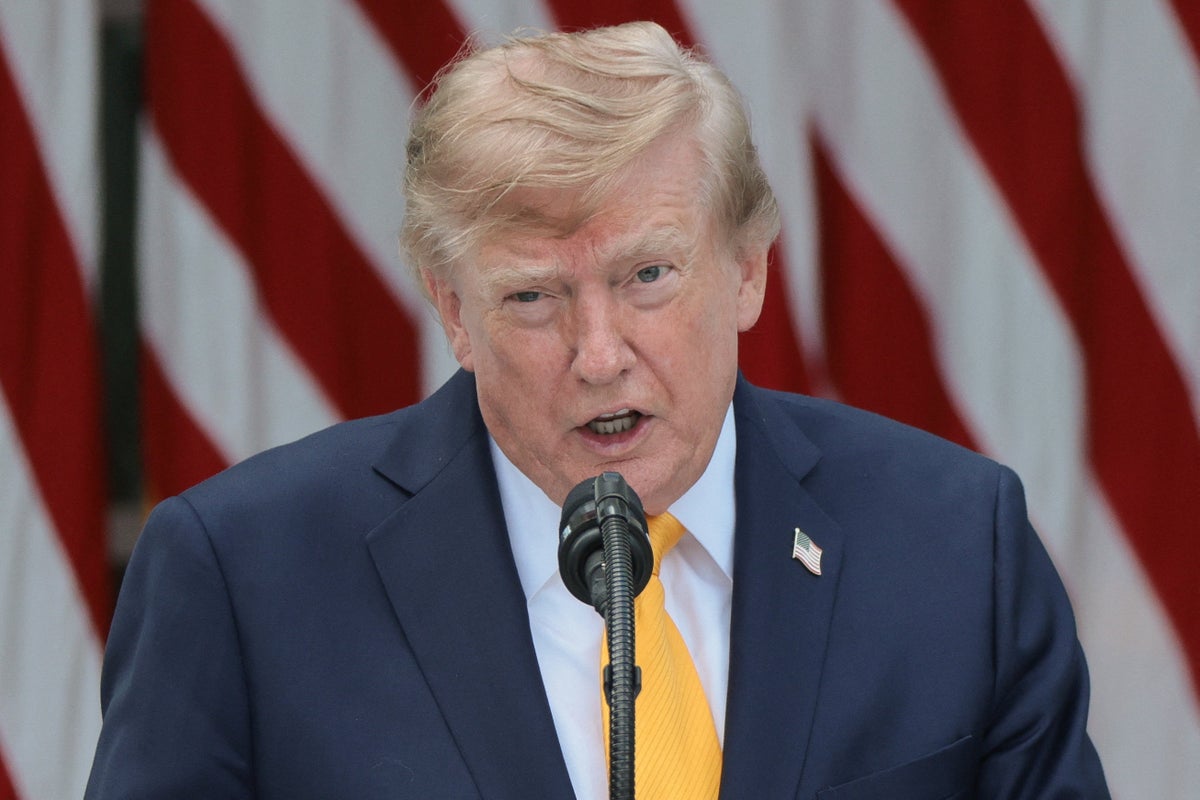
The mainstream political press corps is suffering from a terminal lack of imagination. Every cycle, the pundit class drags out the same tired playbook: low approval ratings equal toxic baggage, and toxic baggage means a politician must be hidden in a basement until election day. When reports surface that Donald Trump plans to put himself front and center for the midterms despite underwater polling metrics, Washington conventional wisdom treats it as a slow-motion political suicide pact.
They are wrong. They are looking at modern electorate mechanics through a rearview mirror.
I have watched strategists burn millions of dollars trying to sanitize high-profile candidates, attempting to turn street-fighting populists into beige institutional bureaucrats. It never works. Trump refusing to step aside during a midterm isn't a blunder born of ego. It is a calculated recognition of how decentralized, low-trust media consumption actually functions right now.
The Fallacy of Generic Ballots and National Approval
Let us address the foundational mistake fueling every panic piece written this week. The establishment media loves to point to national approval ratings like they are a GPS for local congressional districts. That is a category error.
National approval numbers in a hyper-polarized environment do not measure broad popularity. They measure brand definition. When a voter tells a pollster they disapprove of Trump, they are registering a cultural preference, not necessarily refusing to vote for a policy outcome or an endorsed proxy.
- National polling aggregates mix hyper-partisan strongholds with swing districts.
- Approval ratings conflate personal likability with issue competency.
- Voters routinely separate a national figurehead from their local economic frustrations.
I've seen campaigns panic over a minus-ten approval spread and immediately bench their biggest fundraiser. The result? Total voter apathy. In midterms, the primary enemy is not a bad poll number; it is invisibility. Low-propensity voters do not turn out for boring, poll-tested placeholders who refuse to take a sharp stance on anything. They turn out for spectacle, friction, and an unmistakable focal point.
The Energy Monopoly and Low-Information Electorates
Midterm elections are structurally different from presidential showdowns. They are low-turnout affairs defined by asymmetric enthusiasm. The party that fires up its base wins. The party that tries to appeal to the mythical median voter by running a sleepy, non-controversial campaign invariably gets crushed because their base stays home on a rainy November Tuesday.
Trump dominates the oxygen supply. Call it exhausting, call it chaotic, but do not pretend it fails to drive turnout.
"In politics, the worst sin is not being hated. The worst sin is being ignored."
If Trump pulls back, the media vacuum gets filled by local debates over obscure zoning laws and committee assignments. That kills momentum. By keeping himself front and center, he turns every single local House race into a referendum on the national baseline. You might hate the strategy, but you cannot argue with its capacity to focus the collective attention of an easily distracted electorate.
The Downside Nobody Wants to Admit
Let us be completely honest about the structural risk here, because pretending this approach is foolproof would be dishonest.
Putting a polarizing figure front and center in suburban swing districts can activate the anti-Trump coalition just as aggressively as it activates the base. There are districts where a hyper-personalized national message alienates college-educated independents who might otherwise pull the lever for a check on inflation or executive overreach.
That is the trade-off. It is high variance. It is a volatile asset.
Smart campaigns manage that variance by letting local candidates handle the micro-issues while Trump acts as the macro-lightning rod. When done right, it forces the opposition to spend precious resources defending national battlegrounds instead of prosecuting local failures.
Stop treating midterms like polite parlor games played by gentlemen in tweed. They are street brawls. Trump knows how to throw a punch, and the people writing his political obituary haven't stepped outside an air-conditioned green room in a decade.