Ink dries on parchment, but policy ink bleeds into kitchens, hallways, and midnight quietness. In Canberra, the airconditioned halls of parliament hum with the heavy gravity of arithmetic. Spreadsheets dictate the future. Spreadsheets do not tremble. Spreadsheets do not know what it feels like to look at a front door and see an insurmountable wall simply because the support worker who used to help you cross it has been trimmed from a ledger.
Sixty-three amendments. That is the numerical footprint of a late-night bargain struck between Labor and the Coalition. The controversial National Disability Insurance Scheme reform bill moved through the Senate, backed by a shared political desire to claw back thirty-seven billion dollars over four years. On paper, it is a triumph of fiscal restraint. On the ground, it is an earthquake measured in human friction.
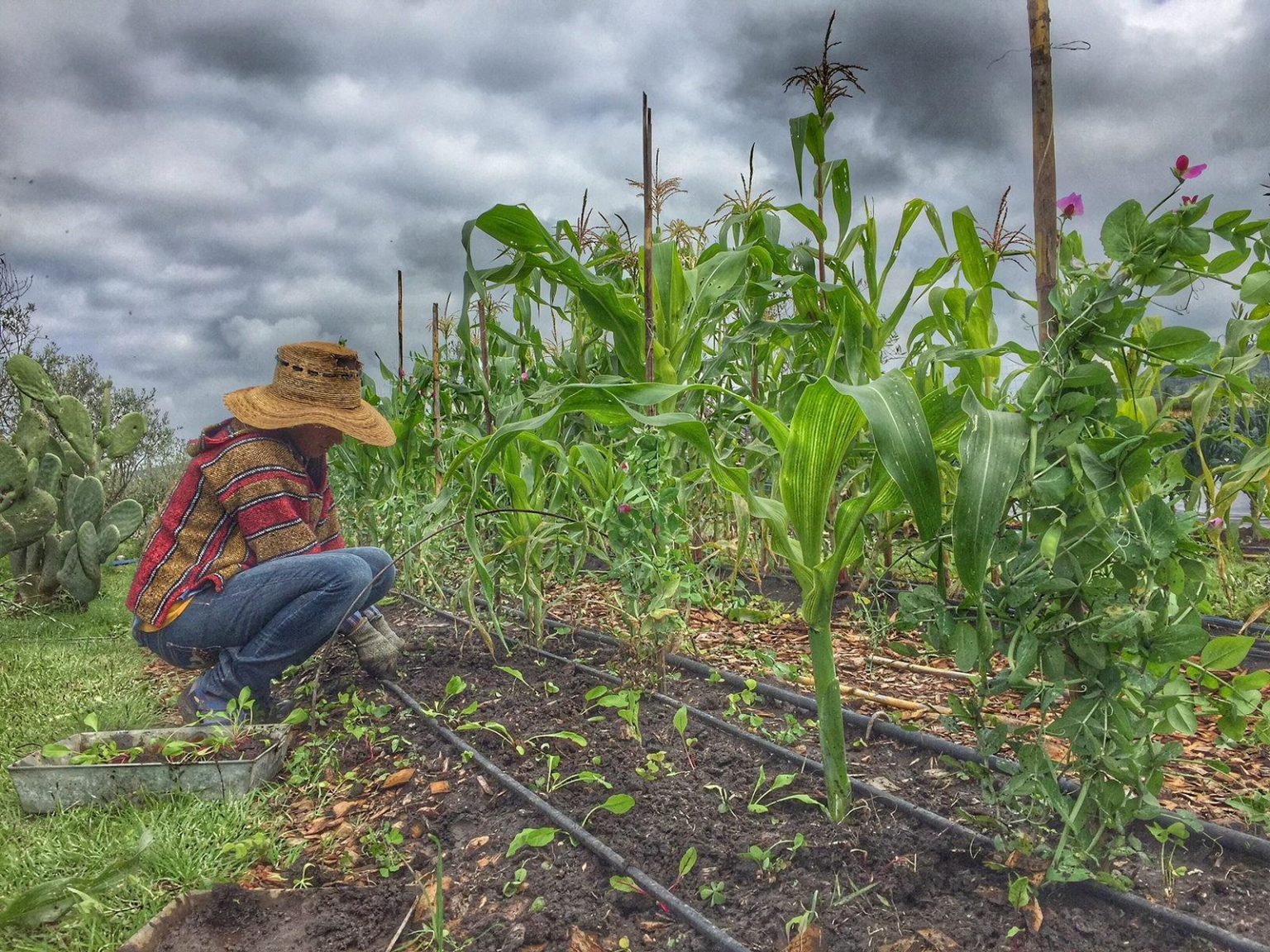
Consider a hypothetical participant named Clara. Clara lives with a complex physical disability that requires continuous, around-the-clock coordination. Her world is not vast; it spans the radius of her apartment and the community garden down the block. That garden is her anchor. It is where she talks to neighbors who do not look away, where the sun hits her face, and where she feels tethered to humanity.
Under the original architecture of the overhaul, sweeping ministerial powers loomed like a silent guillotine. These powers grant the authority to slash funding categories across participants by up to ninety-nine percent. When the backlash threatened to derail the political consensus, the architects of the bill introduced a safety valve. For those requiring continuous twenty-four-hour care, a new plan variation pathway was carved out, offering a ninety-day window to appeal sudden budgetary shocks.
A ninety-day reprieve.
To a bureaucrat, it is a reasonable concession. To someone whose entire existence depends on a fragile ecosystem of care, it is a frantic race against administrative clockwork. And for the hundreds of thousands of others whose needs fall just outside that strict definition of continuous round-the-clock care—those whose funding supports social participation, therapy, and community connection—the safety valve simply does not exist.
Independent senators and community advocates watched the backroom negotiations with mounting dread. Warnings echoed through parliamentary inquiries, noting that stripping away social and community funding acts as a direct invitation to isolation. Isolation is rarely treated as a medical emergency, yet it breeds vulnerability. When people are locked away behind closed doors because they no longer have the assistance required to step outside, the invisible risks of neglect and abuse quietly multiply.
The numbers driving this legislative push are staggering, designed to cap scheme growth and reassure taxpayers that the system will not buckle under its own weight. To sweeten the bipartisan deal, the Coalition secured severe new criminal and civil penalties targeting fraud, kickbacks, and the intentional destruction of records by dishonest providers. Cracking down on bad actors is universally desired. No one defends exploitation.
Yet the weaponization of budget constraints targets the vulnerable just as fiercely as it targets the corrupt.
Think of what happens when a support budget shrinks by half for community access. The physical act of leaving the house transforms from a routine errand into a logistical impossibility. Friends fade away because visits require coordination that no longer has funding attached. Independence morphs back into dependency.
Parliament has spoken. The deals are sealed. The numbers align neatly to satisfy the federal budget bottom line. But the true cost of these amendments will not be tallied in Canberra. It will be counted in quiet rooms, in missed birthdays, in abandoned garden paths, and in the heavy, lingering silence of lives quietly shrinking to fit a budget line.