The kitchen light flickers at 6:15 PM.
On the speckled laminate counter sits a single green cabbage, a bruised tomato, and a carton of milk that expired yesterday. Elena turns the carton over twice, her thumb catching on the cardboard seam. She calculates the numbers in her head again. Rent went up eleven percent last month. The bus pass costs more than it did in the fall. And the receipt from the neighborhood grocery store—the one that used to represent a modest, reliable sanctuary of comfort—now looks like an itemized penalty for the crime of needing to eat.
She is tired. Not the kind of tired that a good night's sleep cures, but the heavy, bone-deep fatigue of a person running a permanent deficit.
Fifty miles away, inside a wood-paneled room where the air smells faintly of dry-cleaning and expensive coffee, men in dark suits are checking their watches. They do not worry about the price of milk. They do not turn cartons over to look at expiry dates. They sign documents with heavy metal fountain pens.
To understand why Elena’s grocery cart grows lighter while corporate ledgers grow heavier, we have to look past the spreadsheets. We have to look at a calendar.
The Timing
Legislative calendars are public. You can track them like weather patterns. Bills are introduced, debated, amended, and finally voted upon. Sometimes, they die quietly in committee. Other times, they are struck down with a swift, decisive blow from the top.
Earlier that week, the provincial legislature faced a choice. A modest proposal was brought forward—a piece of legislation designed to introduce transparency, to shine a harsh, unblinking light on grocery pricing, profit margins, and the mysterious algorithms that dictate why a head of lettuce costs twice what it did three years ago. It was not a radical document. It was merely a tool for accountability.
It was dismissed.
Strike one. The door closed on the debate before the public could even fully grasp the stakes.
Now, consider what happens next.
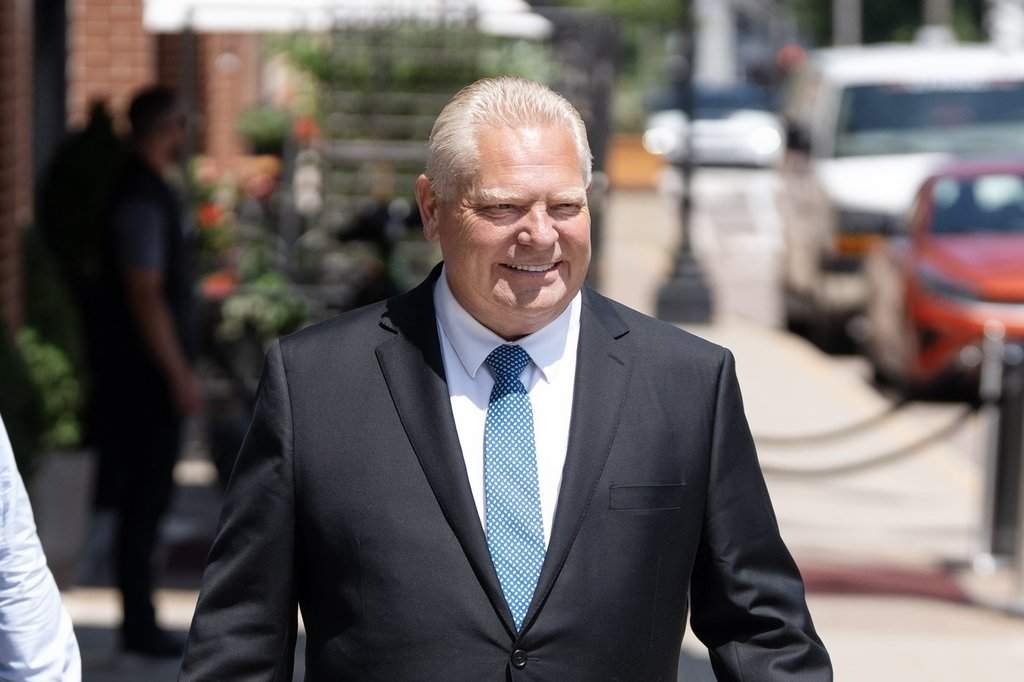
Twenty-four hours later. Exactly one day after the legislative doors were bolted shut against consumer protection, a closed-door meeting took place. Premier Doug Ford sat down across the table from the chief executive officer of Loblaw, Canada's retail behemoth.
There were no cameras. No microphones broadcast the handshake. No public transcript was published to explain what urgent matters necessitated a private summit immediately following the burial of grocery pricing oversight. We only know it happened because schedules leaked, because public servants talk, because shadows cast by high places eventually stretch into the light.
(Note: The timeline of these events is drawn from public legislative records and verified scheduling disclosures, illustrating a sequence of political dismissal followed swiftly by private corporate engagement.)
The Anatomy of a Loop
Power loves a vacuum. When formal checks and balances are swept off the table, informal arrangements rush in to fill the space.
Imagine a private club where the bouncer is told to look away. The door opens not for the public, whose interests the legislature was ostensibly built to protect, but for the architect of the very supply chain squeezing them.
Why meet?
The official line is always cooperation. We are all working together to find solutions. We are streamlining, communicating, building a better province for everyone. It sounds reasonable. It sounds like the kind of platitude printed on the back of a corporate annual report.
But let us drop the corporate euphemisms for a moment and look at the raw mechanics of influence.
When a premier kills a legislative effort to control or scrutinize food costs, and then immediately breaks bread with the head of the nation's largest grocery empire, a message is sent. It is whispered in executive boardrooms and felt acutely in kitchen aisles. It is the message that regulatory relief belongs to the powerful, while cost-of-living relief remains the burden of the individual.
We are told that market forces are complex. We are told that global inflation, supply chain bottlenecks, and weather patterns in California dictate why a pound of butter costs an hour of minimum-wage labor. And to a degree, those factors are real. Global shocks happen. Fuel prices fluctuate.
Yet, when the global shocks recede, corporate profits soar. Record margins appear in quarterly earnings reports like monuments to efficiency. Except efficiency, in this context, often means extracting the maximum possible capital from people who have nowhere else to buy their bread.
When a government actively chooses not to investigate those margins, when it swats away legislative tools designed to demand answers, it stops being a neutral referee. It becomes an accomplice to the squeeze.
The Kitchen Table Reality
Let us return to Elena.
She does not know the exact square footage of the room where the premier and the grocery CEO shook hands. She does not know the brand of the fountain pen used to sign documents that day, nor does she care about the political calculus of election cycles and donor relations.
She cares about the cabbage.
She puts the bruised tomato back in the bin. She puts the expensive milk back on the shelf, telling herself—and her youngest child—that they didn't really need cereal this week anyway. Oatmeal is cheaper. For now.
This is the invisible cost of closed-door alignment. It is not measured in abstract percentages or GDP growth. It is measured in skipped meals, delayed prescriptions, and the quiet, crushing humiliation of choosing which essential need to abandon at the checkout register.
Governments exist to mediate between the immense power of capital and the fragile vulnerability of human life. When that mediation fails—when the politicians who promise to stand up for the working family spend their mornings dismissing accountability bills and their afternoons dining with retail titans—the social contract frays.
The door of that private meeting room closed tightly. But the draft it created blows cold right across Elena's kitchen floor.
The receipt sits on the counter. The numbers do not lie. And the people who have the power to change them are currently sharing coffee with the very ones who wrote the bill.