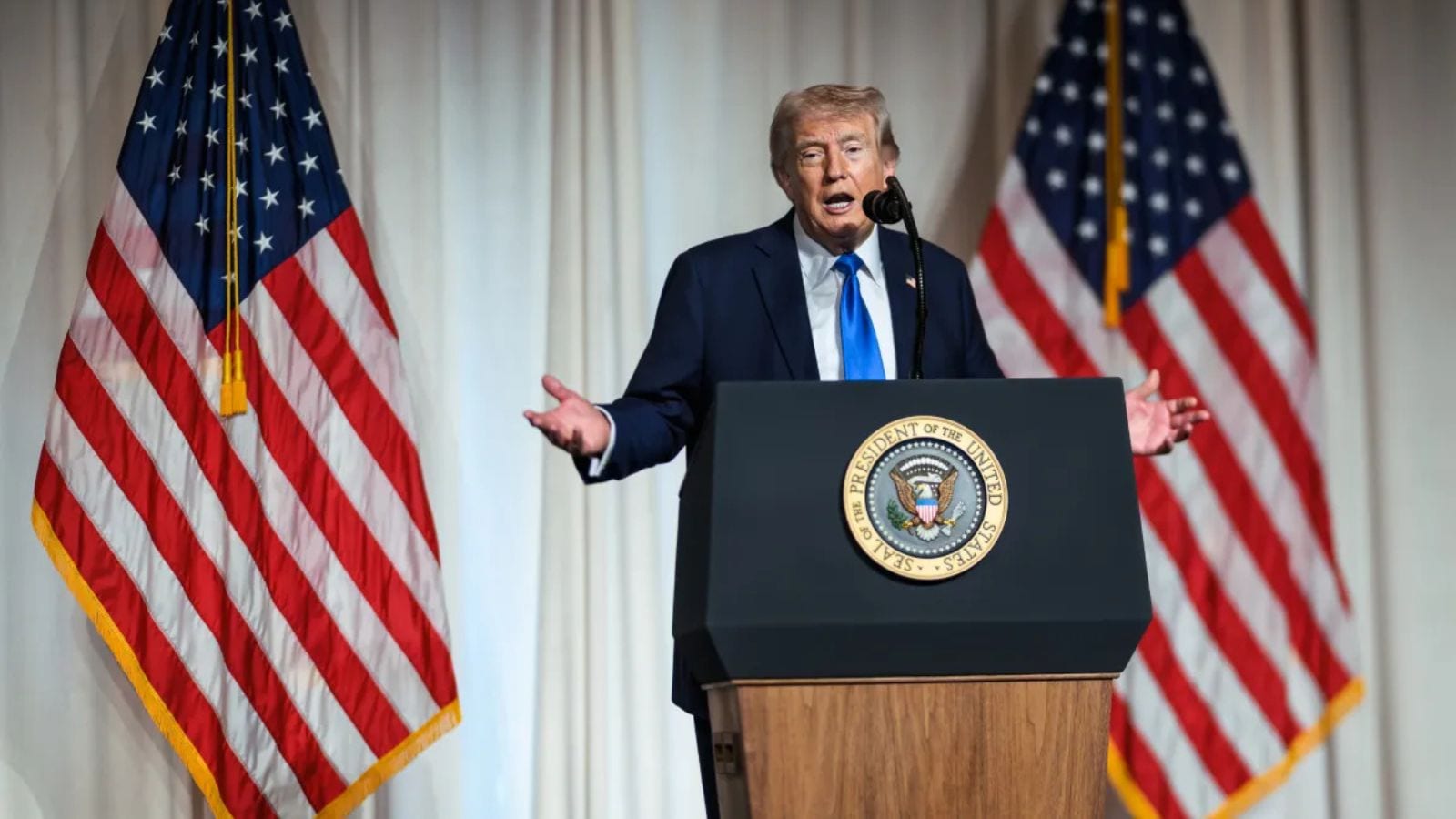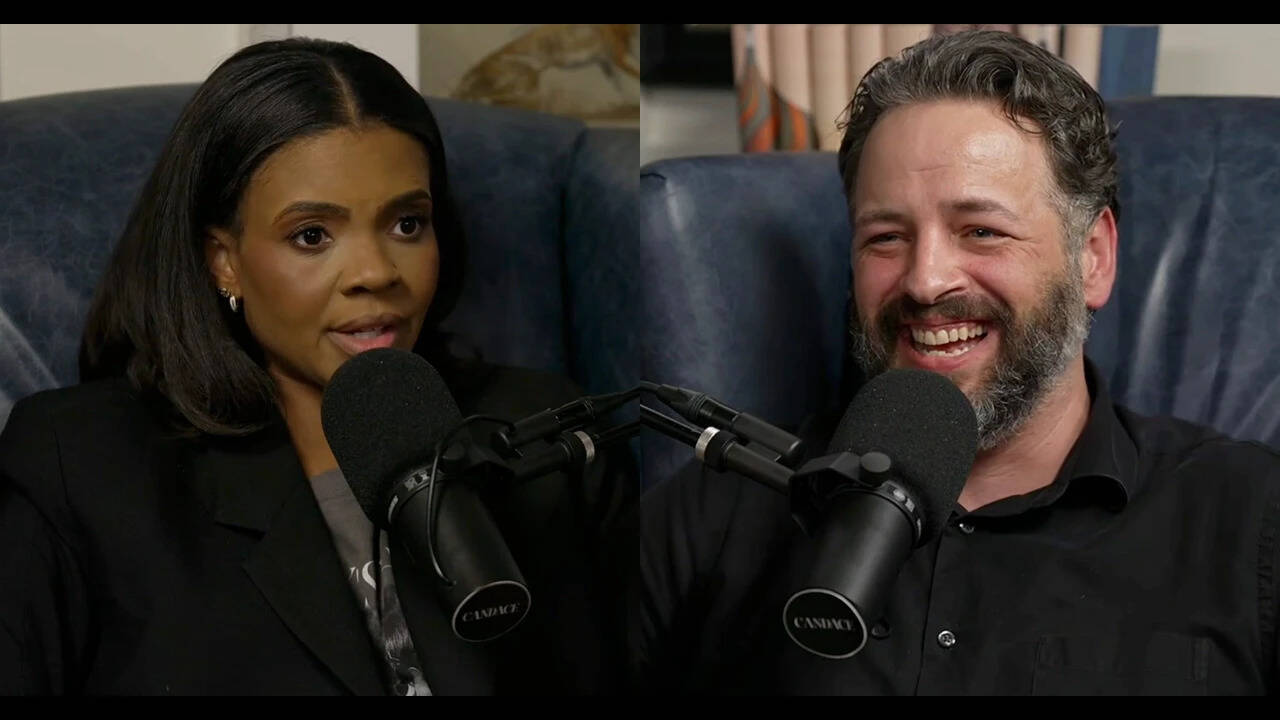
The modern right-wing media apparatus did not fracture quietly over a policy disagreement or a minor legislative vote. It cracked down the middle during a live-streamed clash over a murder investigation, exposing a brutal internal market where shock value, monetization, and conspiracy theories yield higher returns than traditional political alignment. When online commentator Candace Owens and internet debater Andrew Wilson sat down for a high-stakes confrontation on the PBD Podcast moderated by Patrick Bet-David, the ensuing three-hour spectacle was ostensibly about the tragic assassination of Charlie Kirk. Instead, it laid bare a much deeper rot within the alternative media ecosystem.
Underneath the millions of views and six-figure financial posturing lies an industry built entirely on manufactured outrage. For years, observers watched the digital conservative ecosystem evolve from a cohesive ideological coalition into a fragmented collection of warring fiefdoms. Each creator operates as an independent warlord fighting for algorithmic dominance, subscription revenue, and attention. When a platform rewards the most extreme interpretation of current events, nuance becomes a financial liability. The Owens-Wilson confrontation was the inevitable outcome of an economic model that demands constant escalation.
The immediate catalyst for the showdown involved competing claims over the legal proceedings surrounding Tyler Robinson, the individual charged in Kirk's September 2025 killing at Utah Valley University. Wilson pressed Owens on her alternative framing of the case, demanding concrete evidence for theories that stretched far beyond official charging documents. Owens countered by testing Wilson's command of the basic investigative facts, resulting in a bizarre, viral memory test regarding the specific criminal counts filed by prosecutors.
Yet the true rupture occurred when the argument devolved past legal particulars into explicit misogyny. Confronted with his own prior social media remarks regarding Kirk's widow, Wilson doubled down on provocations rather than retreating, offering generalizations about women that shocked even seasoned internet commentators. The mask of high-minded political discourse slipped entirely. What remained was a stark demonstration of how far personalities will go to protect their brand of unyielding combativeness.
This dynamic highlights a fundamental transformation in how political loyalty is enforced online. The old guard of movement conservatism relied on institutional gatekeepers, think tanks, and editorial boards. Today's digital ecosystem bypasses those structures entirely, replacing them with independent streaming studios and direct-to-consumer monetization platforms. Creators do not answer to donors or board members; they answer to metrics. If a commentator questions an established narrative, the audience rewards them with algorithmic favor and financial support. If another commentator attacks them for it, the resulting feud creates a lucrative content loop for both sides.
Consider how the aftermath played out across the broader media landscape. Figures like Alex Jones quickly weighed in, declaring absolute victors and framing the confrontation as a referendum on institutional corruption. Traditional outlets seized on the crude language to write off the entire alternative media sphere as unhinged. Meanwhile, the core audience consumed the spectacle not as an informational exchange, but as entertainment, treating political tragedy like a pay-per-view prize fight.
The financial incentives driving this behavior are staggering. Tens of thousands of dollars change hands as performance fees or challenge wagers, turning ideological disputes into commercial enterprises. When influence is monetized directly through subscriptions, merchandise, and live-stream super chats, moderation does not sell. Peace is unprofitable. The system actively punishes anyone who attempts de-escalation because calm analysis generates zero engagement.
This environment creates a race to the bottom where ideological coherence is constantly sacrificed for personal branding. Commentators who once claimed to fight for a unified cultural movement now spend half their airtime feuding with allies over who holds the authentic monopoly on truth. The boundaries between serious commentary and performance art have dissolved completely, leaving audiences trapped in a hall of mirrors where every institutional fact is dismissed as a cover-up and every crude insult is praised as authenticity.
The consequences extend far beyond internet drama. When a political movement replaces shared principles with personality cults and perpetual internal suspicion, it loses the capacity for collective action. Voters and viewers are left exhausted, ping-ponging from one manufactured crisis to the next while the underlying issues remain completely unaddressed. The ideological house is divided not by honest disagreement, but by a structural design that profits from permanent civil war.
The cameras will eventually turn off, the view counts will plateau, and the digital warriors will retreat to their respective channels to clip the best moments for tomorrow's upload. The fracture within the movement will only widen as new grievances replace old ones, driven by an economic engine that demands fresh blood and louder fights every single day.