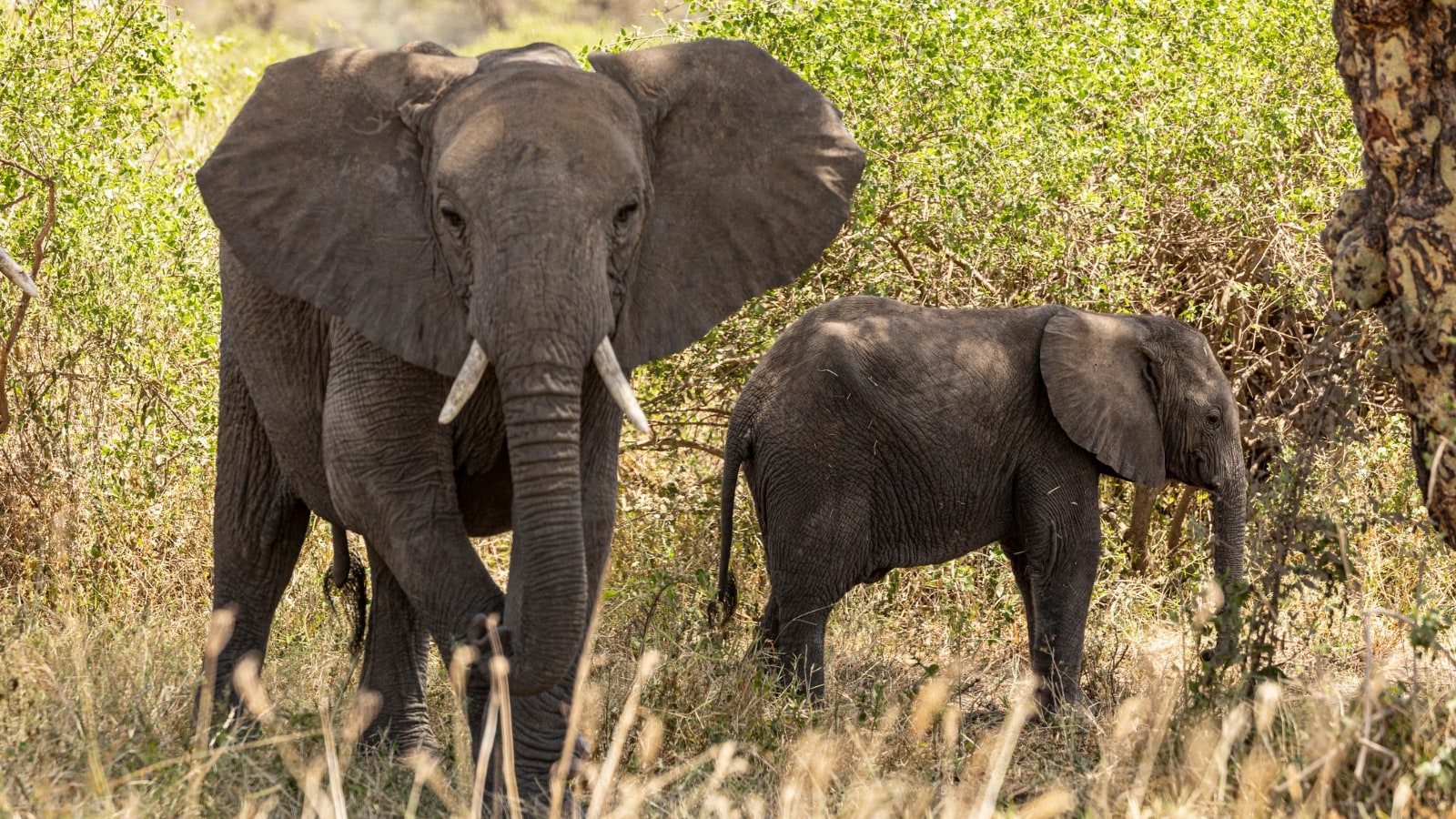
An eleven-year-old elephant named Genghis Khan lay in the dust of the Kitenden B Reserve. He struggled to breathe. He couldn't stand. Vets arrived and could only offer a glucose injection because they had no idea what was killing him. He died shortly after. This is the reality in southern Kenya right now, where at least 20 elephants have perished since June 2026.
People are scared. Local communities and conservationists are demanding answers, yet the truth remains elusive. The Kenya Wildlife Service (KWS) has pointed to toxicology reports suggesting cyanide poisoning. They claim it could be linked to pesticides used on nearby tomato farms. But experts on the ground aren't buying that explanation.
Why the Cyanide Theory Is Falling Apart
The initial government theory regarding cyanide poisoning feels weak to those watching the situation unfold in real time. Patrick Papatiti, who oversees operations for Olgulului communal lands, has been vocal about his skepticism. He points to a glaring contradiction: scavengers.
If these elephants were dying from highly toxic chemicals like cyanide, you would expect the animals feeding on their carcasses to die, too. Yet, hyenas and vultures have been seen feasting on the remains without showing any signs of illness. If the environment were truly contaminated with a lethal dose of pesticide, the local ecosystem would be witnessing a much broader die-off.
The KWS itself has admitted that their findings do not point to an infectious or transmissible disease. This creates a terrifying void in our understanding. If it’s not an infection and it’s not clearly linked to a common toxin, what is happening to these elephants?
The Human Impact on Amboseli
The Amboseli ecosystem is famous. It’s a crown jewel of Kenyan tourism, offering views of Mount Kilimanjaro and incredible elephant herds. When those elephants die, it isn't just a biological tragedy. It’s an economic one.
Farmers like Noah Saatia are worried. In the Kimana community, elephants are seen as assets rather than pests. They drive the tourism that keeps the local economy running. Seeing an iconic animal like Genghis Khan succumb to a slow, painful death over several days leaves the community feeling helpless.
When you look at the victims, the pattern is specific. Most are females or young males. They all show identical, heartbreaking symptoms. It starts with partial paralysis. They struggle to stand, collapse, and eventually pass away after days of suffering. This isn't a quick death. It's a grueling, slow decline.
What Happens Next
The pressure on the Kenya Wildlife Service to provide a more definitive answer is mounting. The public, the tourism operators, and the local Maasai communities deserve more than "we don't know."
If you’re looking for a simple answer, you won't find one today. The reality is that wildlife management is incredibly difficult when the symptoms don't align with known pathogens or common poisons.
Here is what needs to happen to move forward:
- Independent Testing: The reliance on preliminary toxicology reports is clearly insufficient. We need transparent, independent analysis of both the carcasses and the surrounding water and soil sources in the Amboseli area.
- Scavenger Monitoring: Conservationists must continue to document the health of scavengers in the area. If the scavengers remain healthy, it effectively rules out the high-concentration pesticide theory, forcing investigators to look at rarer neurotoxins or other environmental factors.
- Community Involvement: Local leaders like Papatiti have the most eyes on the ground. Their observations of how these animals behave before death are more valuable than any remote laboratory reading. The government must integrate local knowledge into their formal investigation strategy.
We are currently in a waiting game. The lives of these majestic animals hang in the balance while investigators search for the missing piece of the puzzle. Until someone finds it, the only thing we know for sure is that the mystery continues to claim more victims. Keep watching the developments from Amboseli. The silence from the authorities is the biggest danger of all.