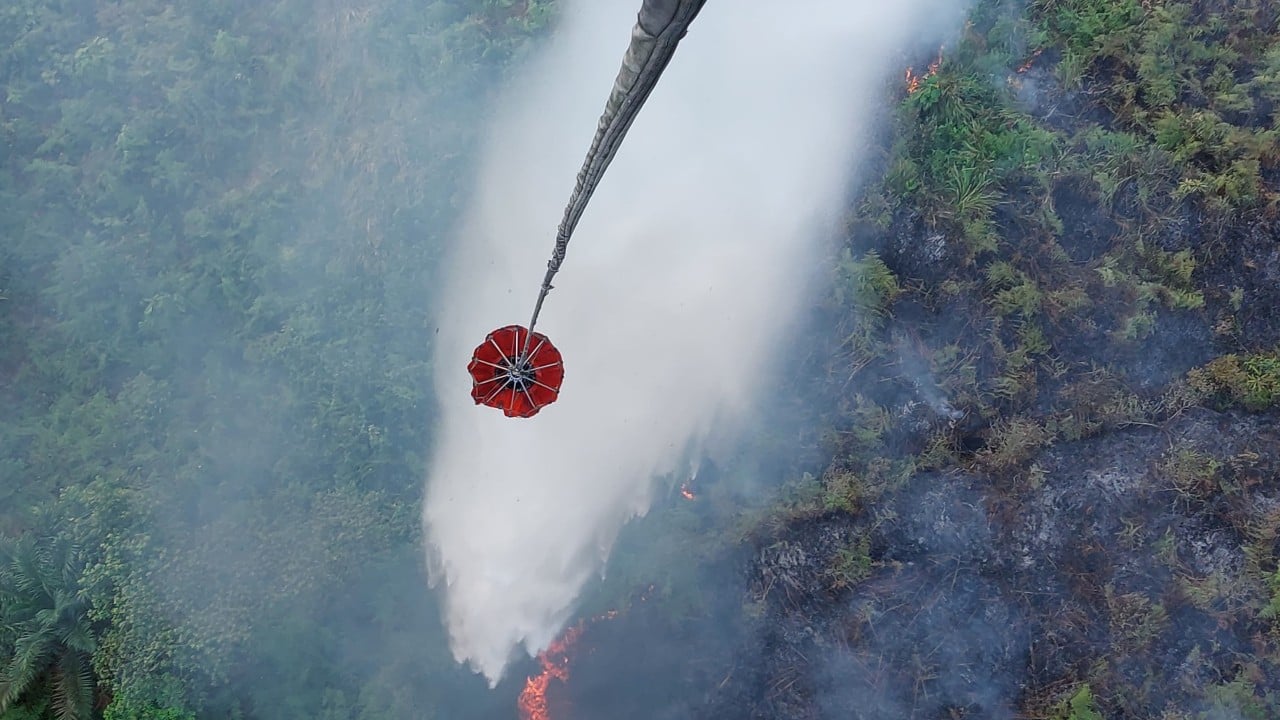
Thick, acrid smoke chokes the skies over Kalimantan and Sumatra, forcing flight diversions and turning local air quality hazardous. It is an annual ritual born from cheap land-clearing tricks. For years, palm oil and forestry conglomerates treated massive forest fires as a simple, low-cost line item. Pay a small bribe, absorb a tiny fine, and keep planting.
Now, Jakarta claims it wants to change the math.
Can Indonesia actually make illegal land burners pay? The short answer is yes, but only if political will survives the corporate pushback. Recent legal crackdowns point to a much more aggressive strategy against bad actors. Let's look at how the country is trying to hold corporate polluters accountable.
The Cost of Corporate Impunity
For decades, using fire was the cheapest way to clear land for agriculture. Bulldozers cost money. Fire is free. When peatlands and forests burn, carbon emissions skyrocket, schools close, and neighboring countries like Malaysia and Singapore start complaining about the cross-border haze.
In the past, enforcement was a joke. Smallholders took the blame while big corporations hid behind complex shell companies and subsidiary structures. Ministries issued warnings that disappeared into filing cabinets.
Things are shifting. Under President Prabowo Subianto's administration, the government is moving past soft warnings. Authorities have initiated legal actions against roughly 30 companies linked to forest and land fires. We aren't talking about slaps on the wrist. The state is chasing nearly 15 trillion rupiah, roughly $847 million, split between direct financial losses and mandatory environmental restoration costs.
Hitting Where It Hurts
If you want to stop corporations from burning the country down, you cannot just fine them pocket change. You have to threaten their right to exist.
The current government strategy relies on three main pressure points. First, massive financial restitution. Ministries are forcing companies to fund ecosystem recovery out of their own pockets. Second, administrative coercion. Agencies have started slapping coercive measures on concession holders, forcing them to upgrade fire-control systems or face outright shutdown. Third, license revocation. Officials have made it clear that any corporation caught ordering intentional land burns faces the complete cancellation of all operating licenses.
Look at what happened in West Kalimantan and other high-risk zones. Administrative sanctions hit forestry concession holders after fires scorched thousands of hectares within their boundaries. When a company loses its business license, its entire operation goes under. That gets executive attention faster than any courtroom debate.
Will It Actually Work Long-Term?
Skeptics have every right to doubt. Indonesia's legal system has historically struggled with corruption, lengthy trials, and clever corporate lawyers who can stall cases for years. Environmental groups point out that collecting multi-trillion rupiah fines from defunct or shell-registered companies is notoriously difficult.
Yet, the tone at the top has changed. When a head of state explicitly threatens total license revocation for corporate arson, local regulators feel emboldened to act. Satellite monitoring spots hotspots in real time, leaving companies with fewer places to hide their tracks.
Stopping the haze requires persistent pressure. The government must follow through on these lawsuits rather than letting them quietly settle out of court for pennies on the dollar. Until every corporate board member realizes that setting a forest on fire means losing their company forever, the smoke will remain a threat. Watch how these current legal battles play out in court over the coming months. That will tell you everything you need to know about Indonesia's true leverage.