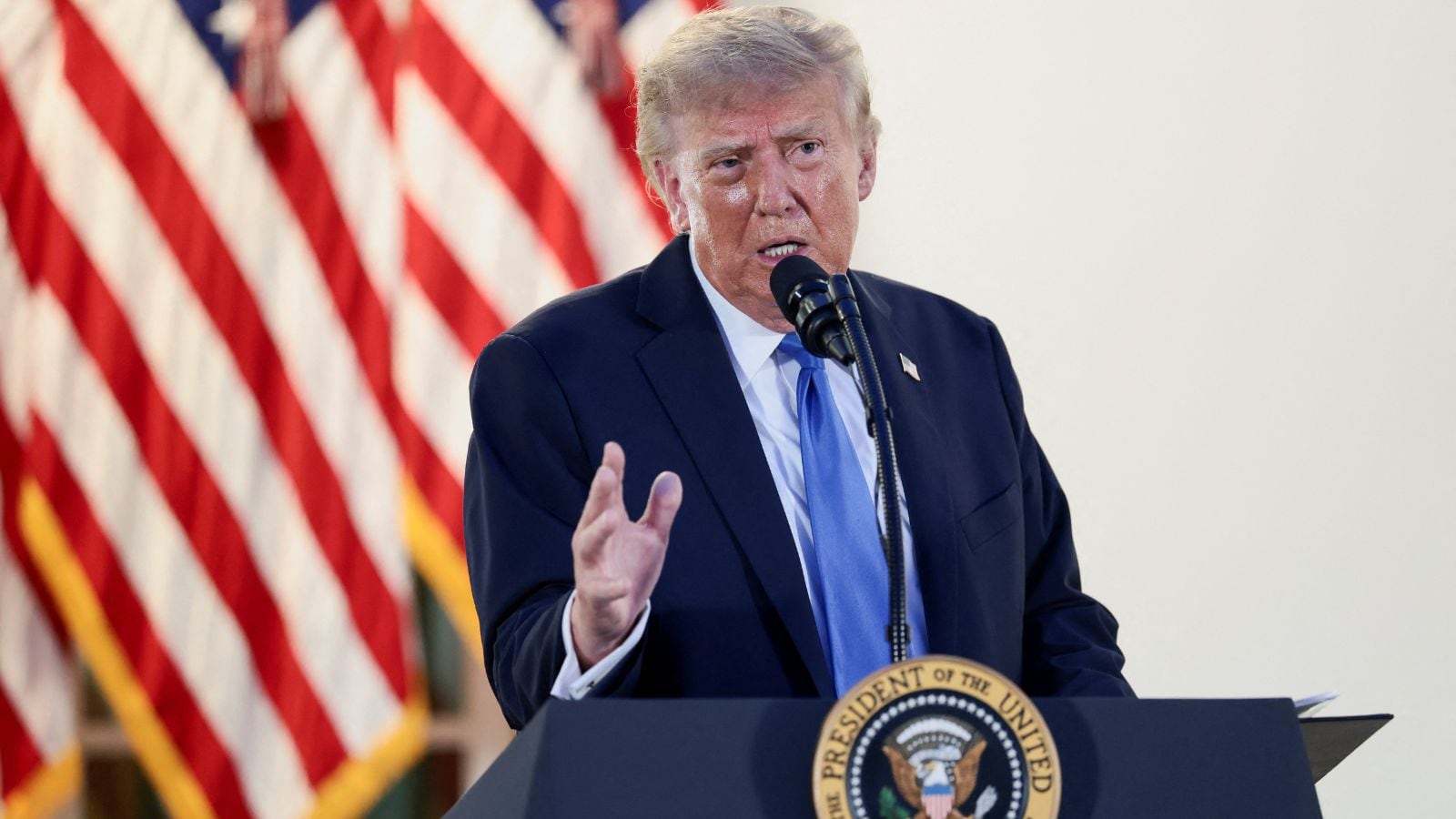
The press corps is weeping into its overpriced espresso because a few designated megaphones just lost their permanent seats at the White House briefing room table. Pundits are screeching about fascism, democracy dying in darkness, and the sacred altar of the First Amendment being desecrated by political spite.
They have it completely backward.
Strip away the pearl-clutching, and look at what actually happened. The traditional White House beat has not been a forum for aggressive accountability for decades. It has morphed into a high-end corporate social club where stenographers with press badges trade access for curated talking points, packaging administrative press releases as hard-hitting investigations. When a politician cuts off the oxygen supply to outlets that treat access as an entitlement rather than a tool for public service, they aren't destroying journalism. They are pulling the plug on a rotting appendage that should have been amputated years ago.
Let us define what the White House press room actually is. It is a taxpayer-funded theater. It is a staging ground where networks chase seventy-second soundbites for evening broadcasts and digital rags farm outrage clicks from partisan mobs. The reporters sitting in those leather chairs are not fierce watchdogs tearing into power. They are performers reading scripts designed to satisfy their specific demographic's confirmation bias.
When an administration bars certain outlets, the immediate reaction from the media industrial complex is to frame it as a dangerous silencing of dissent. But what dissent is actually being silenced? When was the last time a reporter in that room asked a question that fundamentally disrupted the administration's narrative without relying on a pre-packaged partisan talking point? The daily briefing has become an absurd ritual of verbal fencing where both sides know the choreography before the cameras even roll.
The lazy consensus says that a free society requires every major corporate media brand to have a physical chair inches from the West Wing. That is a comforting fiction invented by corporate media executives whose stock prices depend on proximity to power. Real reporting does not happen under hot studio lights while a press secretary dodges questions for forty-five minutes. Real reporting happens in government warehouses, court dockets, local planning commissions, and datasets that nobody wants to comb through because it is easier to transcribe a press conference.
I have watched newsrooms waste millions of dollars chasing the shiny objects planted by clever communications directors in that very briefing room. Editors prioritize the viral shouting match over the slow, tedious grind of institutional oversight because outrage pays the bills. By shrinking the room, the administration has inadvertently forced a reckoning. Outlets that relied entirely on spoon-fed spoon-fed leaks must now figure out how to do actual shoe-leather work.
Of course, there is a legitimate downside to this approach, and let us be entirely transparent about it. When access becomes a tool of political reward and punishment, it creates a dangerous precedent for transparency. An administration that can bar CNN or Politico can eventually target any independent outlet that refuses to play ball. Statecraft should never be allowed to dictate who gets to ask questions on behalf of the public. The method is petty, transparently tactical, and designed to cultivate a compliant echo chamber of alternate-universe mouthpieces.
Yet crying about the death of democracy because cable news hosts lost their front-row seats is peak institutional narcissism.
The press brought this on themselves. They traded skepticism for proximity. They convinced themselves that being allowed into the room made them part of the governing elite, and in doing so, they lost the trust of a public that watches them perform indignation every single evening. The American public stopped believing the narrative long before any politician decided to lock the doors.
If you want a vibrant, adversarial press, stop mourning the death of the briefing room cocktail party. Let the stenographers complain about their lost credentials. Real journalists are too busy looking where the politicians are trying hardest not to point.