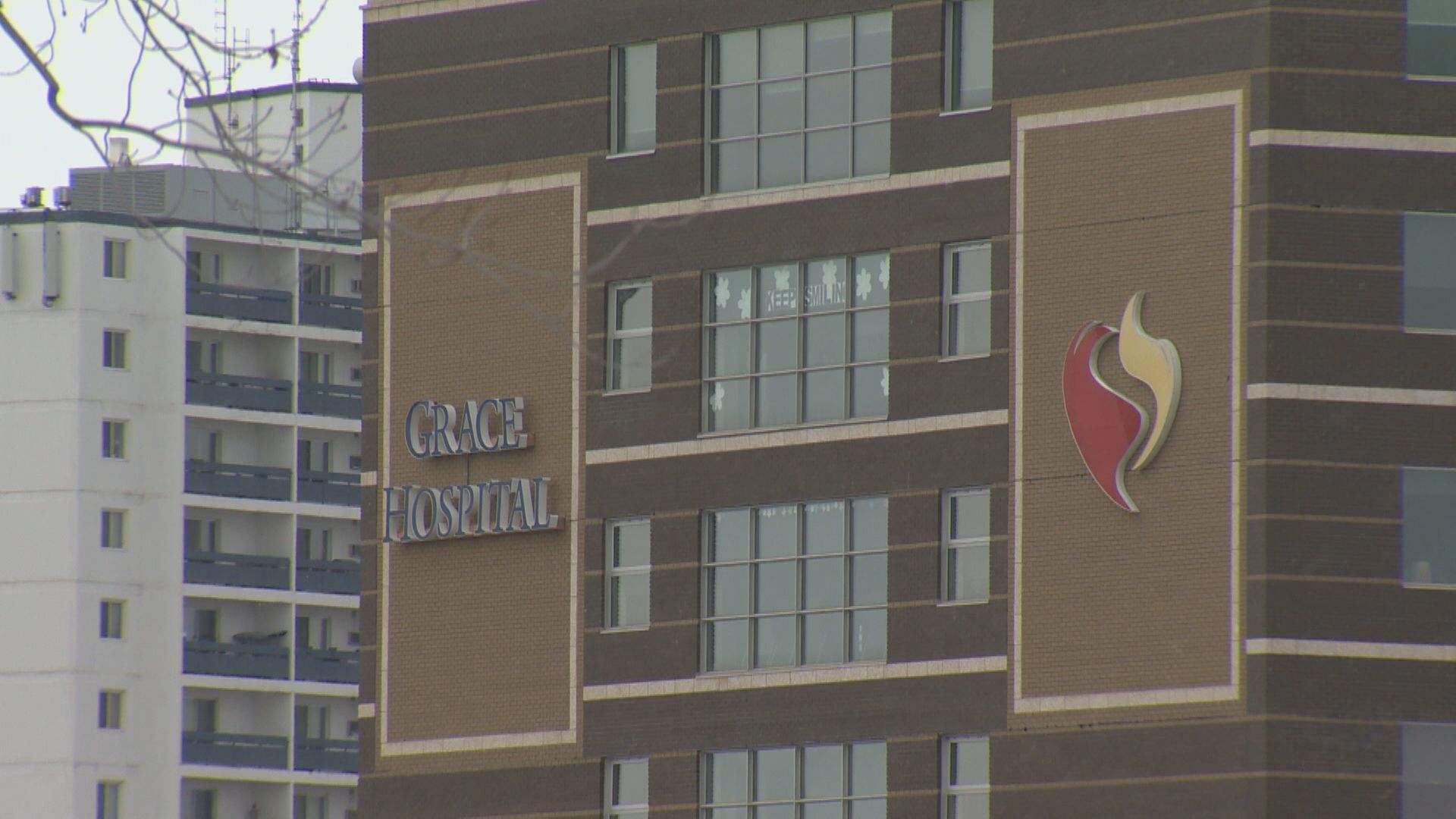
The physical safety of the people who save our lives shouldn't be a secondary concern. For too long, nurses and support staff at Winnipeg’s Grace Hospital have walked into their shifts with a heavy sense of dread. That dread wasn't about the medical challenges they’d face. It was about whether they’d get punched, spat on, or shoved while trying to do their jobs. Following a high-profile assault that left the community reeling, the provincial government is finally stopping the talk and starting the walk. Institutional Safety Officers (ISOs) are officially heading to the Grace, and honestly, it’s about time.
Why Grace Hospital became the breaking point
The Grace Hospital emergency room has been a pressure cooker for years. You’ve got long wait times, high patient volumes, and a lack of mental health resources all colliding in one space. It’s a recipe for disaster. When a staff member was recently assaulted, the outrage wasn't just about that one incident. It was about a systemic failure to protect the frontline.
Health workers aren't punching bags. They’re professionals. Yet, the data shows that violence in Manitoba healthcare facilities has been trending upward. We aren't just talking about verbal abuse. We’re talking about physical altercations that leave lasting psychological scars. The arrival of ISOs marks a shift from passive security to active protection. These aren't your standard "observe and report" security guards. They have the training and legal authority to actually intervene before a situation spirals out of control.
The real power of Institutional Safety Officers
There’s a common misconception that more security just means more conflict. That’s wrong. ISOs are specifically trained under the Manitoba Police Services Act. They occupy a middle ground between private security and the police. They’ve got the authority to detain individuals and, perhaps more importantly, they’re trained in advanced de-escalation.
They know how to read a room. They can spot the signs of a person about to snap before the first swing is even taken. At the Grace, their presence serves two purposes. First, they act as a visual deterrent. Second, they provide immediate physical backup. When a nurse is cornered in a trauma bay, waiting ten minutes for a police dispatch isn't an option. Seconds matter. ISOs are there in seconds.
The provincial government’s commitment to add these officers isn't just a PR move. It’s a necessary infrastructure upgrade for a healthcare system that’s been under siege. By the time these officers are fully integrated, the Grace will look and feel different. It’ll feel like a workplace again, not a combat zone.
What changed after the assault
Public pressure works. After the assault at the Grace, the Manitoba Nurses Union (MNU) and other advocates didn't let the issue slide. They demanded more than just "thoughts and prayers" from leadership. The result is a dedicated security presence that is meant to stay.
Shared Health and the provincial government had to face a hard truth. If you don't protect the workers, the workers leave. We’re already dealing with a massive nursing shortage. Adding a "fear of physical violence" to the list of reasons to quit is a fast track to a collapsed ER. The decision to fast-track ISOs to the Grace is a direct response to this threat. It’s a move to stabilize the workforce as much as it is to protect it.
The training behind the uniform
You can’t just put a vest on someone and call them a safety officer. The ISOs coming to the Grace go through rigorous training. This includes legal education, use-of-force protocols, and mental health awareness. A huge portion of the violence in hospitals is driven by people in crisis—whether that’s substance use, dementia, or acute mental health episodes.
The goal isn't to criminalize patients. The goal is to manage them safely. These officers are taught how to restrain someone without causing injury. They’re taught how to talk someone down from a ledge. It’s a specialized skill set that traditional security guards often lack. This expertise is exactly what the Grace needs to handle its specific patient demographic.
Breaking the cycle of hospital violence
The introduction of ISOs is a massive win, but it isn't the final step. To truly fix the safety issues at the Grace and across Winnipeg, we have to look at the root causes. Why are people so angry in the ER? They’re angry because they’re waiting 12 hours for a doctor. They’re angry because they feel ignored.
Security is the shield, but we still need to fix the sword. This means more beds, more doctors, and better flow through the hospital. However, while we wait for those long-term systemic fixes, the ISOs provide the immediate relief that staff need right now. You can’t fix a hospital’s culture if the staff are terrified to show up for their night shifts.
A new standard for Manitoba healthcare
What’s happening at the Grace will likely set the tone for other hospitals in the province. The Health Sciences Centre (HSC) has already seen the benefits of a beefed-up security presence. By bringing this model to the Grace, the government is acknowledging that violence isn't just a "downtown problem." It’s a system-wide problem.
Staff at St. Boniface and Victoria are watching closely. They want the same protections. And frankly, they should have them. Every major hospital in Winnipeg deals with the same volatile mix of high-stress environments and vulnerable populations. The rollout at the Grace is a test case for how we protect healthcare workers in the 2020s.
Realities of the implementation
Don't expect things to change overnight. Hiring and training enough ISOs to cover 24/7 shifts at a major hospital takes time. But the commitment is there. The funding is allocated. For the staff at the Grace, seeing the first batch of officers on the floor will be a massive morale boost.
It’s about dignity. There’s a certain loss of dignity that comes with being told that being hit is "just part of the job." It’s not part of the job. It never should have been. This new security measures effectively ends that era of complacency.
Next steps for hospital safety
If you’re a healthcare worker or a frequent patient at the Grace, stay informed on the rollout schedule. The transition to an ISO-led security model involves new protocols for everyone.
- Report every incident: Don't let the "small" stuff slide. Verbal threats should be documented as rigorously as physical ones.
- Advocate for your unit: If certain areas of the hospital feel less secure than others, bring it up in staff meetings.
- Support the officers: The ISOs are there to help. Building a collaborative relationship between medical staff and security is key to a functional ER.
Demand continued transparency from Shared Health regarding incident rates. We need to see the data to know if these officers are making the impact we expect. Safety is a right, not a privilege, and the Grace is finally taking that seriously.