Winter arrives with a quiet kind of violence. It strips the trees down to skeletal frames, paints the world in shades of slate and bone, and forces us indoors, wrapping our hands around mugs of tea while frost crawls across the windowpanes. But for those of us who share our homes with four-legged shadows—the ones who dance at the door whenever a jacket is rustled—winter is a season of constant vigilance.
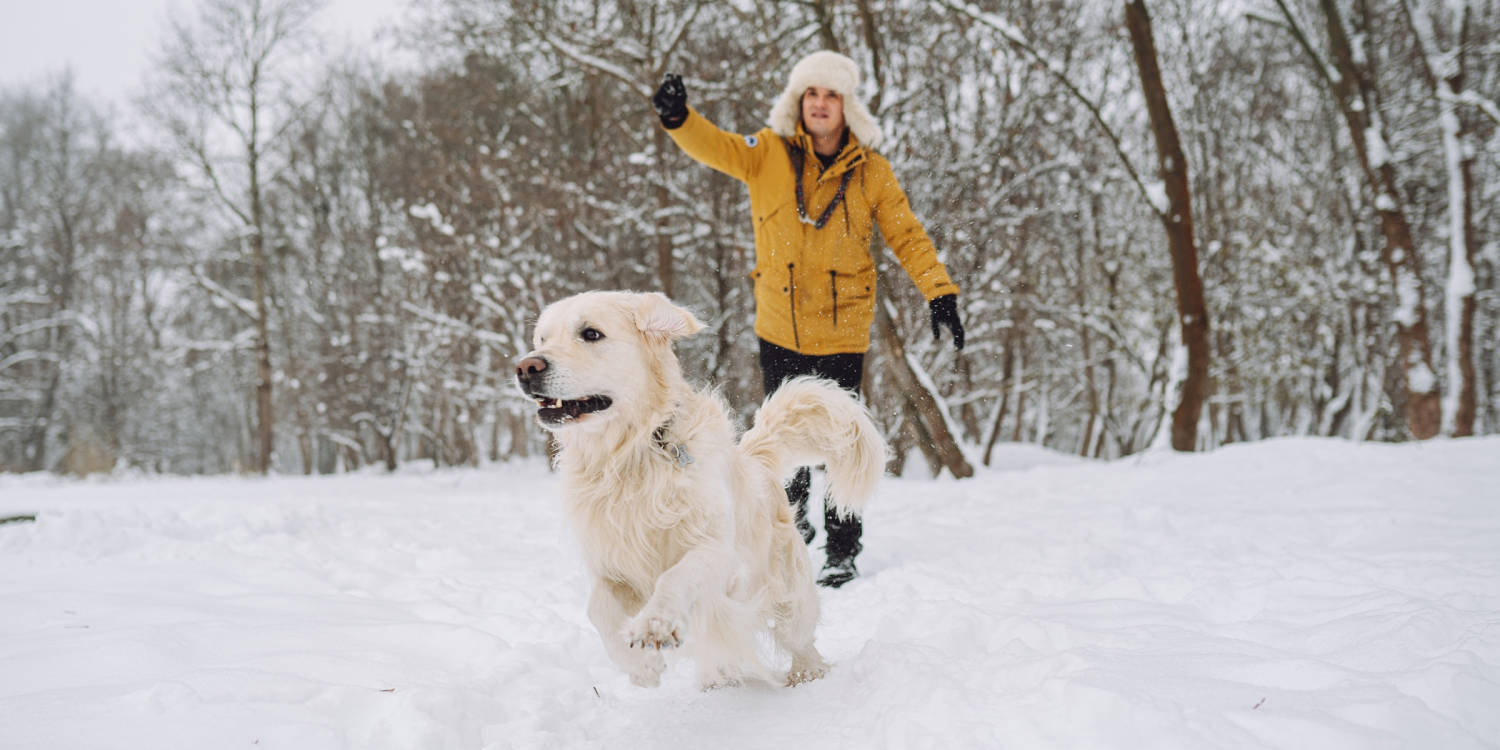
Consider a hypothetical morning with a dog named Barnaby. He is a golden retriever mix with fur the color of toasted wheat and paws that act like snowplows. When the front door opens to a world blanketed in fresh, glittering snow, Barnaby does not hesitate. He barrels outside, snout down, tail sweeping the crisp air in wide arcs. He plunges face-first into a drift, snorts out a cloud of white powder, and bounds across the front steps.
It looks like pure, unfiltered joy.
It is also a landscape laced with hidden hazards. Because before you stepped outside, municipal crews and neighborhood homeowners had already done their invisible work. They scattered the cure for ice across the concrete. Millions of tiny, sharp-edged crystals designed to melt the freeze, make the path safe for human boots, and protect us from the sudden, jarring impact of a fall.
We look down at our boots. We are grateful for the grip. But we rarely look down at the paws.
The Chemistry of Convenience
To understand what happens next, we have to look closer at what we are actually throwing onto our walkways. For decades, traditional rock salt—sodium chloride—has been the default weapon against winter ice. It is cheap. It is abundant. It is brutal.
Imagine walking barefoot across a floor covered in crushed glass and coarse-grained sand. That is the daily reality for a dog walking through untreated or heavily salted urban snow. Rock salt does not just dry out the paw pads until they crack, bleed, and burn; it acts as a chemical irritant. When the ice melts, it creates a hyper-saline slush that creeps up between the toes, lodging in the delicate webbing of the foot.
Then comes the instinctual cleanup. Dogs are meticulous groomers. Once inside, warm and safe by the radiator, Barnaby sits down, lifts a hind leg, and begins to lick.
He is not just cleaning off the snow. He is ingesting concentrated sodium, calcium chloride, magnesium chloride, or potassium chloride. In small amounts, it causes an upset stomach—a bout of vomiting or diarrhea that ruins a Tuesday night. In larger quantities, or depending on the specific chemical compound, ingestion can lead to severe electrolyte imbalances, drooling, lethargy, tremors, and in extreme cases, seizures.
We buy bags labeled with reassuring words. We see green lettering, cute paw prints on the packaging, and phrases that suggest absolute safety. We trust the marketing.
Unpacking the Pet-Safe Promise
The term pet-safe is one of the most misunderstood phrases in the modern marketplace.
Let us be entirely transparent: there is no such thing as an ice melt that is entirely harmless if consumed in massive quantities or if mishandled. The distinction lies in the formulation. Traditional ice melters rely heavily on sodium chloride and calcium chloride, both of which are notoriously harsh on living tissue.
Alternative products often swap these out for urea or calcium magnesium acetate (CMA). These formulations are generally touted as significantly safer because they lack the corrosive chloride burn and do not draw moisture out of the paw pads quite as aggressively. Yet, even urea can cause toxicity if a dog treats a pile of it like a snack bowl.
The misconception is dangerous because it breeds complacency. A bag that says pet-friendly often translates in our minds to harmless, which leads us to let our guard down. We skip the post-walk wipe-down. We assume that because the label features a cartoon terrier, we no longer need to worry about the chemistry sticking to our pet's fur.
The truth is messier. It requires a shift in how we navigate the winter months.
The Ritual of the Threshold
Living well with a dog in a cold climate means establishing rituals. Just as we take off our muddy boots at the door, our dogs require a moment of transition before they are allowed back onto the living room rug.
Picture the mudroom or the entryway of a home on a freezing January evening. The wind howls against the glass. The dog waits patiently, knowing the routine.
First, a warm, damp cloth. Not freezing cold tap water, but water that takes the chill off the air and melts away the hidden crystals trapped between the toes. You gently lift each paw, feeling the pads, checking for small cuts, abrasions, or tiny pebbles of salt trapped in the fur. You wipe between the toes where the snow packs hardest and where the chemical residue loves to hide.
Second, the towel dry. Moisture left on paw pads in sub-zero temperatures is a recipe for frostbite and severe chapping.
Third, a protective barrier. Long before the walk even begins, experienced owners often turn to paw waxes or musher balms. Think of it as an invisible winter coat for the feet—a rich, natural barrier made of beeswax and plant oils that seals the skin, prevents ice balls from forming between the toes, and stops chemical irritants from making direct contact with the delicate flesh underneath.
If your dog will tolerate them—and admittedly, many look at you with deep, profound betrayal the moment you strap them on—booties remain the gold standard. They are the ultimate shield. Watching a dog take their first four clumsy steps in rubber booties is always a mix of comedy and tragedy, their legs lifting high like Lipizzaner horses at the Spanish Riding School, but within minutes, they adapt. And more importantly, their paws remain untouched by the chemical warfare raging on the sidewalk.
The Broader Picture of Cold Weather Care
Protecting the paws is only the entry point. Winter demands a holistic awareness of our animals' vulnerabilities.
Think about the way cold air changes a dog's caloric needs. When the temperature drops below freezing, a dog's metabolism works overtime just to maintain core body temperature, especially short-haired breeds who shiver the moment they step off the porch. They are burning calories invisibly, standing against the wind.
Think about antifreeze—that sweet-tasting, emerald-colored poison that leaks from car radiators in driveways and parking lots. To a dog, it tastes like nectar; to their kidneys, it is a catastrophic, irreversible failure. A single puddle on the asphalt can be fatal within hours.
Think about shelter. The dog house in the backyard, once a charming rustic touch in old movies, is often an icebox. Dogs are pack animals; they belong where the warmth of the home lives. If they must spend time outdoors, their bedding needs to be elevated, insulated, and protected from the biting wind that sneaks under doors and through fence slats.
The Final Footstep
Winter tests us. It tests our patience, our infrastructure, and our willingness to care for the vulnerable things that share our spaces.
When you look down at your dog curled up beside the heater, twitching in a dream where rabbits are forever running just out of reach, remember what lies outside the door. The white powder coating the street is not just scenery. It is a chemical challenge.
The next time you lace up your boots to brave the snow, look down at those four paws waiting by the door. Remember that their world is experienced differently, scaled down to the level of the ground, where every crystal hits closer to home. Protect them with intention, clean up after the storm, and step out into the cold together, knowing you've left the danger behind.