The coffee was still warm when the GPS signals died across the Baltic Sea.
It did not happen with a cinematic explosion or a dramatic blare of sirens. Instead, aboard a commercial airliner cruising toward Warsaw, the captain simply noticed a subtle discrepancy on his navigation display. Then another. Within an hour, dozens of civilian flights were blindly navigating airspace, forced to rely on backup systems from a bygone era. Down on the water, merchant vessels hauling millions of dollars in cargo suddenly blinked off the map, their automated tracking systems fed a steady stream of digital ghosts.
We tend to think of conflict as something loud. We wait for the flash of steel, the rumble of armor, or the definitive declaration of hostilities. But that is an old way of looking at a new world.
Today, a quiet offensive is playing out in the spaces between our daily routines. It lives in the fiber-optic cables snaking across the ocean floor. It hides in the sudden, inexplicable failure of a water treatment plant's software in a quiet European suburb. It is a campaign designed to blur the line between peacetime friction and outright hostility, and it is happening right beneath our feet.
The objective is not to conquer territory. The objective is to break our collective sense of reality.
The Ghost in the Machine
To understand how this functions, consider a hypothetical logistics manager named Elena. She does not work for the military. She manages a mid-sized shipping firm operating out of a bustling North Sea port. Her world is measured in container turnarounds, customs manifests, and tight margins.
One Tuesday morning, Elena’s inventory software begins to stutter. It is not a total crash—those are easy to spot and fix. Instead, the data becomes slightly unreliable. Container numbers swap places. The tracking system insists a shipment of medical supplies is sitting in a warehouse three hundred miles away when it is actually sitting on the dock.
Elena’s team spends days chasing bugs. Morale plummets. Customers grow furious. The port authority threatens fines as bottlenecked cargo chokes the terminals.
This is the reality of modern hybrid operations. It relies on plausible deniability. If a nation-state launches a cruise missile at a port, it is an act of war. If that same nation-state deploys a state-sponsored hacking collective to introduce subtle, maddening glitches into the port’s logistics software, it is viewed as a tech support headache.
The digital fingerprints are deliberately smeared. By the time cybersecurity analysts trace the intrusion back to servers in St. Petersburg or Moscow, weeks have passed. The political momentum required to respond has evaporated. The damage—economic friction, eroded trust, profound frustration—is already done.
This strategy capitalizes on the open nature of democratic societies. Our greatest strengths—our interconnectedness, our reliance on digital infrastructure, our commitment to free flowing data—are systematically turned into vulnerabilities.
The Weaponization of Discomfort
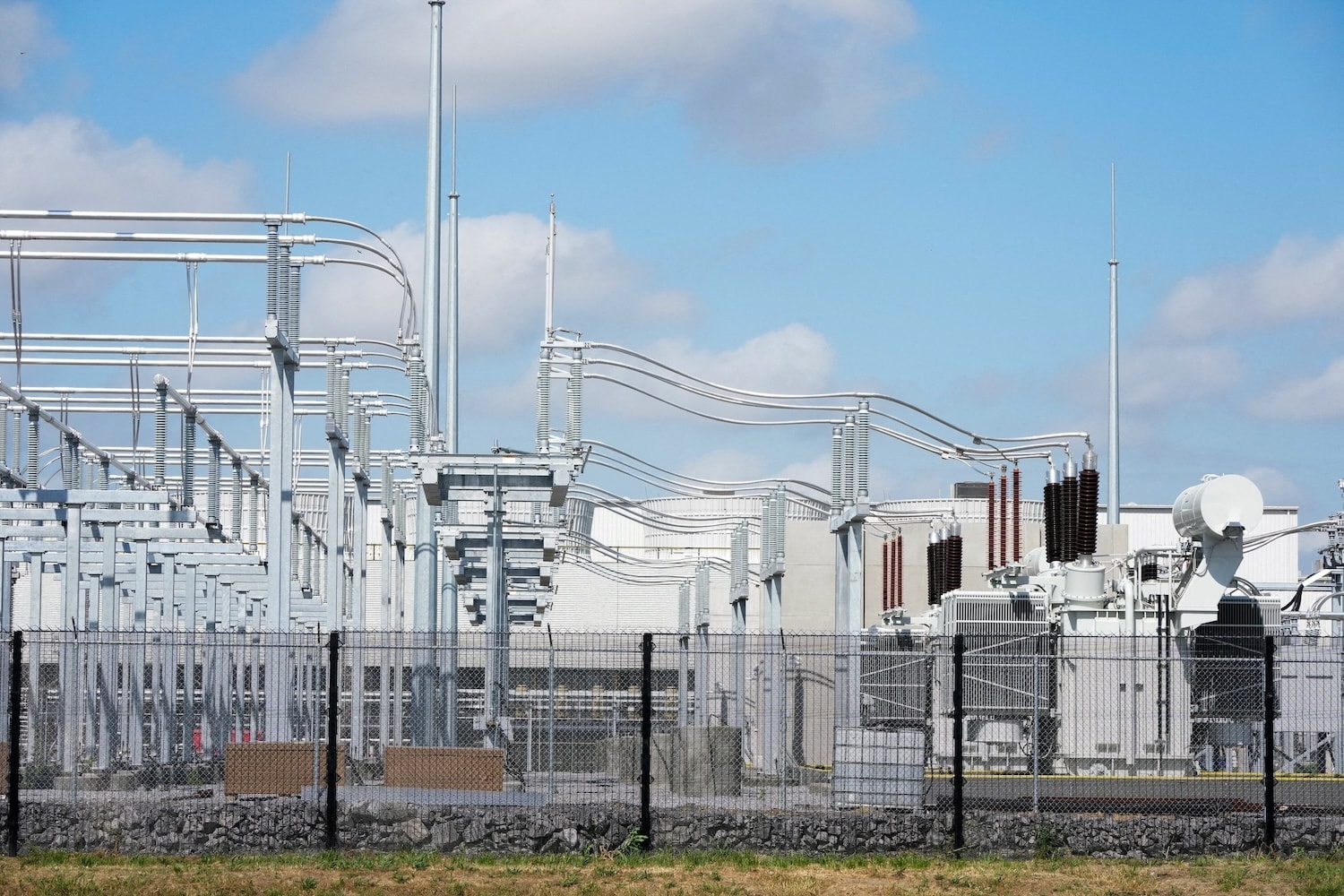
The disruption of logistics is merely the prelude. The deeper, more insidious phase of this quiet campaign targets the physical infrastructure we take for granted.
Consider the sudden rash of mysterious incidents across Europe over the last few years. Mystifying warehouse fires in Lithuania. Train signaling systems abruptly severed in Germany. Undersea data cables connecting isolated islands cut by the dragging anchors of suspiciously uncooperative fishing trawlers.
Separately, each event looks like an accident, a coincidence, or the work of petty criminals. Taken together, they form a deliberate pattern of stress-testing.
Think of it like a burglar walking down a dark street, softly rattling the doorknobs of every house on the block. He isn't kicking the doors down. He is just checking to see who locked their doors, who left a window cracked, and how quickly the neighborhood watch responds to a strange shadow.
This constant, low-level friction inflicts a psychological toll. When a society can no longer trust that the lights will turn on, that the water is safe, or that the train schedules are accurate, the social contract begins to fray. People stop looking outward at systemic geopolitical threats and start looking inward, consumed by anger and suspicion.
The true front line is no longer a trench in Eastern Europe. It is the smartphone in your hand, the smart meter on your house, and the subsea cable providing your internet connection.
The Echo Chamber Factory
Beyond the physical and digital friction lies the most volatile battleground: the human mind.
We often talk about disinformation as if it were simply a collection of fake news stories or poorly Photoshopped memes. It is far more sophisticated than that. Modern psychological operations do not try to convince you of a specific lie. They merely aim to make you doubt that the truth exists at all.
Imagine a city experiencing a minor localized power outage during an election cycle. Within minutes, thousands of automated social media accounts fire into action. They do not all tell the same story.
One group of accounts claims the government intentionally cut the power to suppress votes. Another group claims foreign saboteurs have crippled the grid. A third group insists the outage is a hoax invented by the media to cause panic.
The average citizen, bombarded by these conflicting narratives, experiences a form of cognitive exhaustion. When every piece of information is suspect, the natural human reaction is to disengage entirely.
Clarity is replaced by a profound, paralyzing cynicism.
When a population is cynical and divided, it becomes impossible to build a political consensus. Decisions stall. Alliances waiver. A nation paralyzed by its own internal arguments cannot effectively counter external aggression.
The Cost of Staying Open
This leaves open societies facing a deeply uncomfortable dilemma. How do you defend against an adversary that uses your own freedom as a weapon without destroying that freedom in the process?
If a government tightens security by monitoring all digital traffic, monitoring infrastructure, and restricting information, it risks turning into the very authoritarian adversary it is trying to resist. If it does nothing, it remains vulnerable to a thousand tiny cuts that eventually bleed the system dry.
There are no easy answers, no silver bullets, and no software patches that can instantly solve this vulnerability. Securing a society against hybrid threats requires a fundamental shift in how we view security itself.
It means realizing that resilience is not just the job of the military or intelligence agencies. It belongs to the software developers writing secure code, the port directors auditing their supply chains, and the everyday citizens refusing to share an unverified, emotionally charged headline.
The quiet war relies on our collective inattention. It thrives in the shadows of our complacency, gambling on the assumption that we are too distracted, too divided, and too comfortable to notice the slow erosion of our security.
The next time your navigation app glitches, or a major website goes down for an hour, or an incredibly divisive rumor floods your feed, take a moment. Look past the immediate inconvenience. The most critical vulnerabilities are rarely the ones that make the evening news. They are the quiet, persistent whispers in the wires, waiting to see if anyone is truly listening.