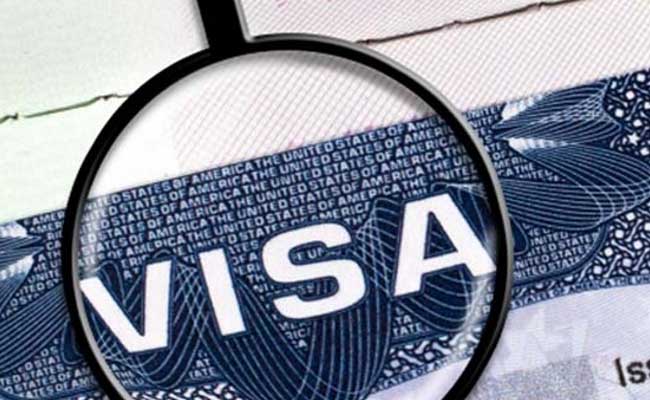
The announcement from Washington was calculated to detonate. US Secretary of State Marco Rubio unveiled a targeted visa restriction policy aimed at South African officials and foreign nationals deemed responsible for enacting what the White House characterizes as race-based discrimination and uncompensated land seizures. Beneath the diplomatic prose lies a deeper collision between South Africa’s unfinished post-apartheid socioeconomic transition and a resurgent American conservative foreign policy apparatus deeply responsive to diaspora interest groups.
To understand why Washington is weaponizing visa barriers against a strategic partner, one must look past the superficial headlines and examine the domestic US political feedback loop. Over recent years, right-wing advocacy networks have successfully channeled narratives of minority victimhood in South Africa straight into the West Wing. These claims focus heavily on the plight of Afrikaner farming communities, framing constitutional land reform initiatives and affirmative action frameworks as systemic persecution. The Trump administration seized upon these grievances, transforming localized debates over agrarian transformation into a flashpoint of ideological warfare. In similar news, take a look at: Stop Clutching Your Pearls Over A Beach Party While Real Corruption Runs Free.
South Africa’s ruling African National Congress operates under a very different historical imperative. Decades after the formal collapse of apartheid, the country remains the most unequal society on earth by key economic metrics. Land ownership patterns, forged through centuries of colonial dispossession and racial segregation, remain stubbornly skewed. Pretoria’s push for land expropriation without compensation is framed by the state as a constitutional necessity to correct foundational injustices. When foreign governments penalize these legislative mechanisms, they run headlong into a sovereign nation's attempt to rewrite its economic architecture.
The friction is not merely ideological; it is strategic. Pretoria has consistently refused to align its foreign policy with Western consensus, demonstrated sharply by its independent posture on global disputes and its vocal legal challenges at international tribunals. Washington’s visa curbs function as a coercive instrument of diplomatic discipline. By targeting the personal mobility of officials and elites linked to economic transformation policies, the State Department aims to chill legislative ambition without resorting to sweeping economic sanctions that might completely rupture bilateral trade. The Washington Post has also covered this important issue in great detail.
Yet the policy carries severe analytical blind spots. By elevating fringe narratives of systematic minority persecution over empirical reality, US foreign policy risks alienating the entire South African political establishment. Crime in South Africa is endemic and multi-racial, touching communities across the demographic spectrum, yet political actors in Washington selectively isolate crimes against minority farmers to manufacture an artificial crisis.
Pretoria has hit back with measured defiance, pointing out that democratic institutions and judicial oversight remain the ultimate arbiters of policy within its borders. The ruling party understands that capitulating to foreign pressure on land reform would spell political suicide at home. As these visa restrictions begin to bite, the diplomatic chasm between Washington and Pretoria widens, signaling a return to an era where ideological alignment supersedes mutual diplomatic respect.