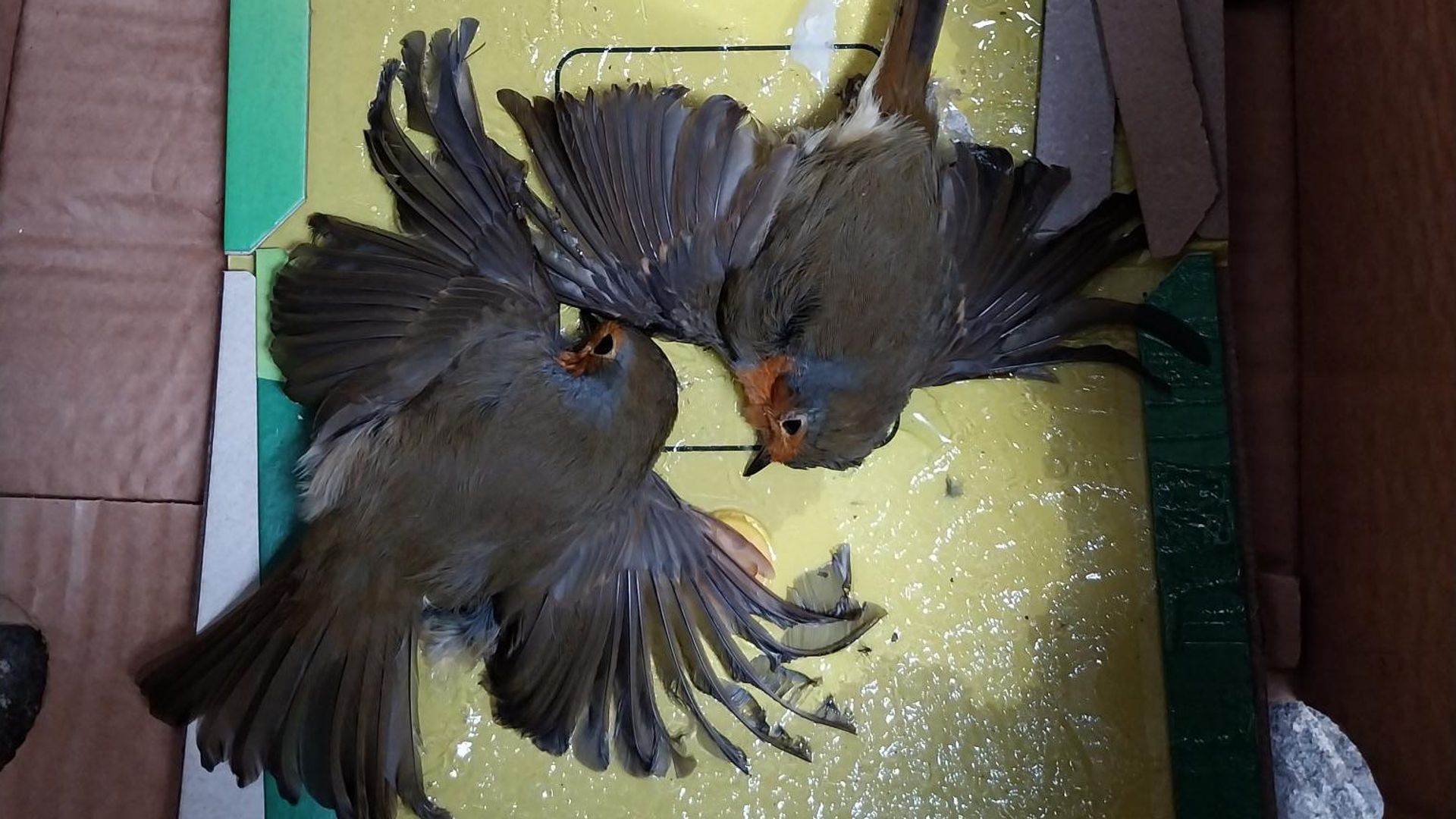
Scotland has officially implemented a comprehensive ban on the use, supply, and possession of rodent glue traps, making it a criminal offence carrying penalties of up to a £40,000 fine and a year in prison. Enacted under the Wildlife Management and Muirburn (Scotland) Act 2024, the law aims to eliminate a pest control method widely condemned as indiscriminate and inhumane. However, while animal welfare charities celebrate, the total prohibition exposes a widening regulatory rift within the United Kingdom and presents immediate, severe challenges for high-risk biosecurity sectors like food manufacturing, aviation, and emergency hospital management.
The legislation completely criminalizes a tool that, until now, was the last line of defense against catastrophic rodent infestations in critical infrastructure. While England left the door open for emergency commercial licensing, Scotland opted for a scorched-earth policy that provides virtually no immediate operational flexibility for the industries keeping the nation’s food supply and public health systems sterile.
The Friction Between Welfare and Infrastructure
Glue traps are undeniably grim. They consist of a sheet of cardboard, plastic, or wood coated with a strong adhesive designed to catch mice and rats. The target animal does not die instantly; it becomes immobilized, often throwing itself into deeper panic, tearing skin, breaking limbs, or suffocating in the glue. Data from the Scottish SPCA reveals that between 2023 and 2026, the charity handled dozens of reports involving non-target wildlife caught in these devices, including protected species like bats, songbirds, and owls.
From an animal welfare standpoint, the ban is a logical progression. Yet, for professional pest controllers, the absolute nature of the Scottish ban introduces an existential crisis in risk management.
The Divergence from England and Wales
The UK is now operating under three entirely different legal frameworks for rodent control.
- Wales led the charge with a total ban in 2023.
- England enacted a ban in 2024 but created a dual-licensing framework through Natural England, permitting the use of glue traps in exceptional circumstances where public health or national security is threatened.
- Scotland has enacted a total ban on the public, while building a theoretical ministerial authorization scheme that remains highly restrictive compared to its southern neighbor.
The constitutional friction required to get Scotland's law over the finish line highlights the complexity of the issue. The ban was delayed for two years because of the UK Government’s Internal Market Act 2020, which dictates that goods legally sold in one part of the UK must be permitted in others. Holyrood had to successfully lobby London for a specific statutory exemption just to make possession and sale illegal north of the border.
High Risk Environments Left Vulnerable
In standard residential or commercial properties, alternative methods like snap traps, multi-catch traps, and smart digital monitoring are effective. However, professional pest control bodies warn that certain environments present variables where these alternatives fail.
Food Production Facilities
A mouse inside a grain silo or a high-speed packaging plant is not just a nuisance; it is a multi-million-pound biosecurity failure. In large-scale food manufacturing, conventional poisons (rodenticides) are heavily restricted or banned near open food lines to prevent chemical contamination. If a rodent bypasses mechanical snap traps, glue boards were historically deployed as a rapid-response measure to halt the breach before a localized infestation could trigger a nationwide product recall.
Aviation and Heavy Industry
Rodents have a biological necessity to gnaw, and they regularly target the synthetic insulation of electrical wiring. An active infestation on a commercial aircraft can ground an entire fleet due to the risk of instrument failure or mid-air electrical fires. In enclosed, vibration-heavy environments like aircraft cockpits or server rooms, traditional snap traps can prematurely misfire due to movement, rendering them useless. Glue boards remained the only reliable mechanism to secure these micro-environments.
The Black Market and Enforcement Reality
History dictates that when a highly effective, cheap tool is banned while the problem it solves persists, a shadow market emerges. Unregulated, imported glue traps are still easily acquired online through international marketplaces operating outside UK jurisdiction.
The Scottish SPCA and local authorities now face the daunting task of policing domestic garages, restaurant basements, and agricultural outbuildings. If a business owner faces a severe rat infestation that threatens to shut down their livelihood, the temptation to deploy a cheap, illicit sticky board hidden from public view will remain high.
Furthermore, the law states that anyone who "knowingly causes or permits" another person to use or supply a glue trap is equally liable. This places an unprecedented burden of liability on property landlords, facilities managers, and corporate directors, who could face prison time if an independent contractor uses an illegal trap on their premises.
The Long Term Outlook for Public Health
The elimination of glue traps leaves the Scottish pest management industry reliant on digital sensor technologies and structural proofing. While smart traps that alert technicians the moment a rodent enters are highly sophisticated, they are capital-intensive and require significant infrastructure to deploy at scale. Small businesses and rural communities may find the cost of advanced pest control prohibitive, potentially leading to an increase in overall rodent populations.
Scotland’s legislative move is an undeniable victory for the ethical treatment of animals, effectively closing a dark chapter in urban wildlife casualties. But the true test of this law will not be measured by the praise of animal welfare societies. It will be measured in the kitchens of central hospitals, the holds of commercial aircraft, and the cleanrooms of food processing plants, where technicians must now fight an age-old battle with one less weapon in their arsenal.