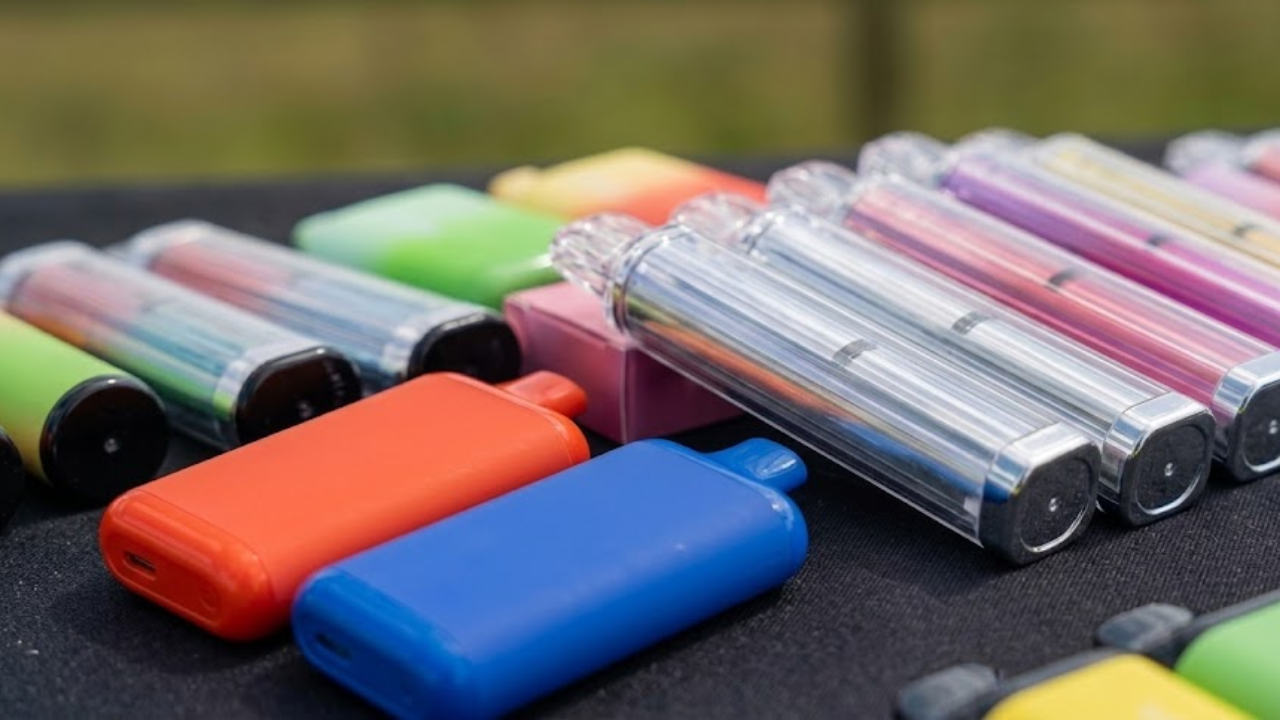
The era of neon-coloured vape pens and e-liquids named after childhood sweets is officially nearing its end. On 10 July 2026, the UK government launched a massive public consultation that aims to completely scrub the personality out of vaping products. It is a aggressive move designed to stop the surge in youth vaping by treating these devices less like tech lifestyle accessories and more like traditional cigarettes.
If you think this is just another minor regulatory tweak, you are mistaken. The government isn't just asking for warnings on boxes this time. They want to dictate the physical appearance of the devices in your pocket, the words shops can use to describe flavours, and whether you can even see a vape before you buy it.
This move follows the Royal Assent of the Tobacco and Vapes Act 2026 back in April. While the previous ban on single-use disposable vapes in 2025 shifted the market, this new policy targets the entire refillable ecosystem. The goal is straightforward. Ministers want to make vaping as boring as humanly possible for teenagers while keeping it available strictly as a tool for adult smokers trying to quit.
The Death of Neon Vape Pens
The most radical proposal in this new consultation is the forced standardization of vape hardware. Walk into any convenience store today and you will see shelves packed with glossy, metallic pods featuring bright LED screens and pulsing cosmetic lights. The government wants all of that gone.
Under the new plans, manufacturers will have to make all vape devices strictly black, white, or grey. Cosmetic lights and digital screens will be banned entirely, except for basic displays that show essential safety information like your remaining battery life.
This directly addresses a massive blind spot in previous anti-vaping campaigns. For years, health advocates complained that vapes were being designed to mimic sleek smartphones or high-end tech gadgets. By stripping away the aesthetic appeal, the government hopes to kill the social status associated with carrying a specific brand of vape.
Plain White Packaging and the End of Gummy Bear Flavours
The packaging rules are getting a complete overhaul too. The government wants to introduce a plain white packaging mandate for all vaping products. This means no distinctive logos, no vibrant colour schemes, and no eye-catching graphics. Font sizes and text colours will be tightly regulated to match the clinical look already seen on cigarette packets.
Then there is the issue of flavours. While a total ban on fruit flavours isn't on the table yet, the way those flavours are marketed will be heavily restricted. Say goodbye to names like "Gummy Bear," "Blue Voltage," or "Berry Blast."
The consultation outlines a plan to ban all concept and sensory names. It also bans any names relating to confectionery, sweets, alcohol, and desserts. If a manufacturer wants to sell an apple-flavoured e-liquid, the label will legally only be allowed to say "Apple."
According to data from Action on Smoking and Health, around one million youth aged 11 to 17 reported trying vaping in 2025. A huge percentage of those teens admitted that sweet flavours and bright branding were the main reasons they picked up the habit. By reducing the options to plain text descriptions, the government intends to break that psychological link.
Out of Sight Out of Mind
Another major change hitting high street retailers is the plan to keep vapes completely out of sight. Right now, vapes are often displayed prominently behind shop counters, right next to sweets or chocolates.
The new rules will force shops, wholesalers, and even airports to hide all vaping products under the counter or behind opaque screens, exactly how they handle tobacco. If you want to buy a vape, you will have to ask the retailer directly instead of browsing a colorful wall display.
For dedicated vape shops across the UK, this is a massive blow. Industry trade groups are already warning that forcing specialized, responsible shops to hide their legal inventory could make it incredibly difficult for them to compete with illicit sellers operating under the table.
The Wider Strategy Against Nicotine
This consultation is part of a much larger web of regulations rolling out over the next few years. The UK is currently on track to implement a historic generational tobacco sales ban starting on 1 January 2027, which will make it permanently illegal to sell tobacco to anyone born on or after 1 January 2009.
But vaping is getting its own distinct set of financial and legal hurdles well before that. On 1 October 2026, a new Vaping Products Duty will introduce a tax of £2.20 per 10ml of e-liquid, regardless of whether it contains nicotine. Later that same month, on 29 October 2026, under-18 sales restrictions will extend to non-nicotine vapes, vape vending machines will be banned, and the free distribution of vape samples will end. A comprehensive ban on all vape advertising and sponsorship will follow on 1 June 2027.
The government is trying to balance two opposing priorities. They need to protect children from nicotine addiction, but they also acknowledge that vapes help adult smokers quit. Health officials stress that there is absolutely no legitimate reason for a harm-reduction tool to look like a neon toy or taste like birthday cake.
Retailers and Manufacturers Must Prepare Now
The public consultation will run for the next 12 weeks, giving business owners, health experts, and consumers a chance to weigh in. If you are a retailer or an e-liquid manufacturer, waiting until these proposals become official law is a recipe for disaster. The transition window will close faster than you think.
First, audit your current inventory. Take a hard look at the product names and packaging designs you currently stock. If your best-selling liquids rely on dessert branding or playful names, you need to start discussions with suppliers about rebranding those items to simple, literal descriptions immediately.
Second, rethink your shop layout. Think about how you will adapt your counter space when the display ban takes effect. You will need to train your staff to assist customers efficiently when products are hidden from view. Investing in clear, non-branded menu lists or digital catalog systems that comply with standard tobacco regulations will keep your business moving when the rules drop.
Finally, keep a close eye on your cash flow ahead of the October 2026 tax implementation. The added duty will alter pricing structures across the market. Adjust your purchasing strategies now to handle the shift in consumer demand as prices rise.