Send elite soldiers into the dark with vague rules of engagement, then prosecute them under peacetime standards ten years later. That's the exact scenario tearing apart the relationship between the British state and its special forces.
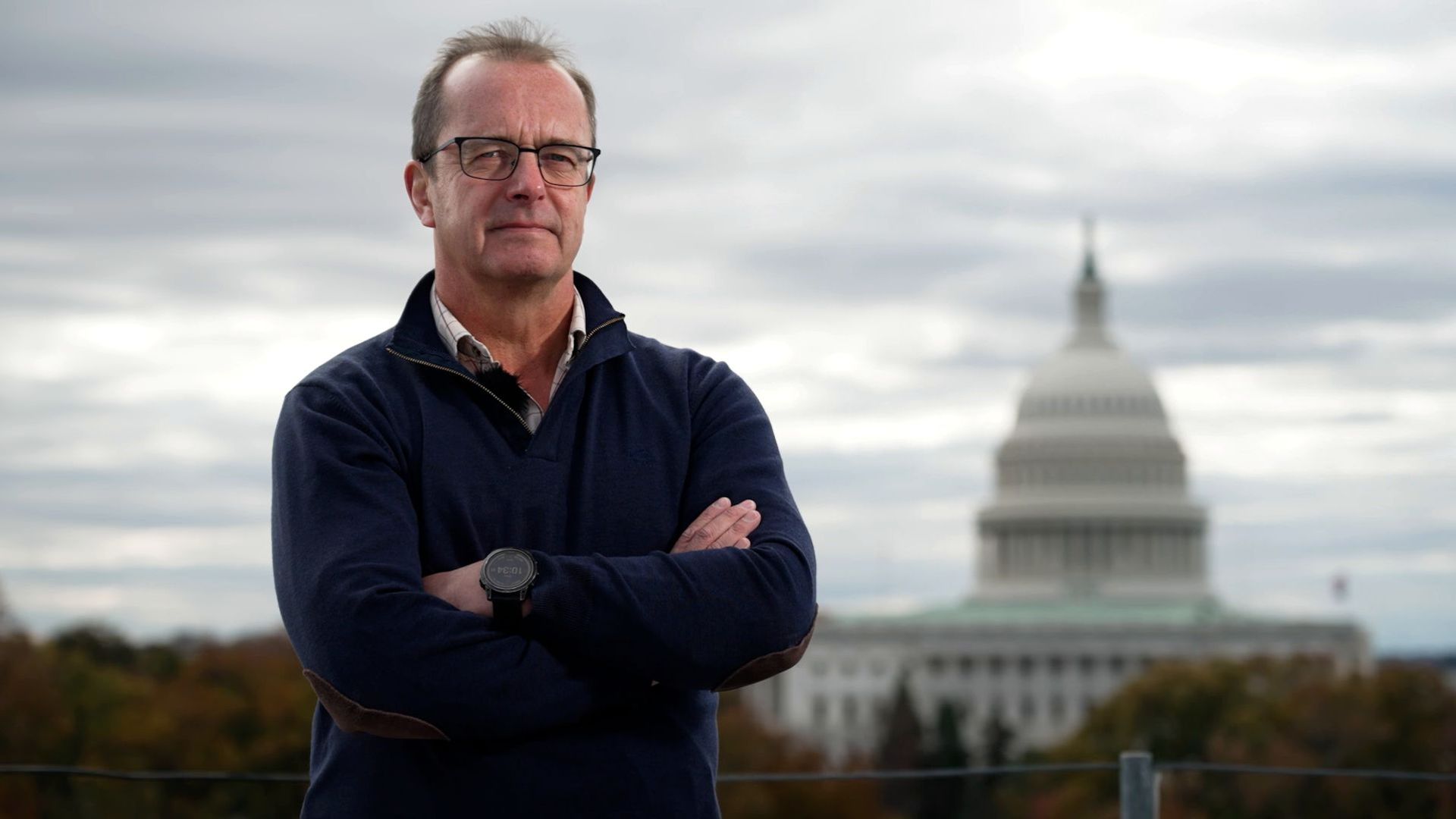
When a former Special Air Service (SAS) chief publicly accuses the government of breaking its "moral contract" with soldiers, it isn't just another round of Westminster political theater. It signals a deep, structural crisis inside the UK defense establishment. For decades, an unwritten rule governed how Britain used its most secretive troops. Soldiers agreed to accept extreme physical and psychological risk on behalf of the crown. In return, the state promised to back them up legally, financially, and morally when the dust settled.
Today, that promise feels entirely one-sided to many inside the Hereford barracks and across the wider veteran community.
What the Military Moral Contract Actually Means
You won't find the "moral contract" printed in any Ministry of Defence (MoD) handbook. Unlike the Armed Forces Covenant—which was formalized into UK law in 2011 to ensure service members aren't disadvantaged in healthcare, housing, or education—the moral contract is an operational understanding.
It's a simple trade.
Soldiers surrender standard civilian rights. They go where politicians send them, often into chaotic environments where intelligence is incomplete and split-second decisions determine who comes home in a body bag. In exchange, the government accepts ultimate political and legal responsibility for the missions it authorizes.
When former SAS commanders speak out about this contract being shattered, they're pointing to a growing sense of abandonment. Troops feel they are being left to twist in the wind while politicians distance themselves from the messy realities of conflicts in Iraq, Afghanistan, and Northern Ireland.
Why Former SAS Commanders Are Speaking Out Now
Special forces leaders rarely talk to the press. Silence is baked into the culture of the SAS and the Special Boat Service (SBS). The regiment's motto, Who Dares Wins, doesn't include giving media interviews about government policy.
So when a former chief breaks cover, people pay attention.
The frustration stems from years of repeated investigations, public inquiries, and shifting legal goalposts. High-profile inquiries—such as the ongoing Independent Inquiry relating to Afghanistan—have placed historic SAS operations under an intense microscope. Nobody in the military argues that genuine war crimes should be ignored. Accountability matters. If someone executes an unarmed detainee, they belong in prison, regardless of what badge they wear on their beret.
The anger isn't about defending rogue behavior. It's about how the state handles the aftermath of state-sanctioned operations.
Veterans and former commanders point to three specific failures that have eroded trust from the top down:
- Retroactive legal scrutiny that applies courtroom standards to chaotic night raids conducted over a decade ago.
- Political distancing, where ministers who approved high-tempo kill-or-capture missions later claim ignorance of how those operations were executed on the ground.
- Inadequate legal and welfare support for aging veterans dragged through years of criminal investigations, only to have charges dropped after their lives and finances have been wrecked.
Look at the legacy cases from Northern Ireland or the now-disbanded Iraq Historic Allegations Team (IHAT). Thousands of allegations were filed against British troops, the vast majority of which collapsed due to fabricated evidence or lack of merit. Yet for years, the MoD allowed soldiers to be pursued relentlessly while doing very little to shield them from vexatious claims.
The Reality of High-Tempo Special Operations
To understand why this cuts so deeply, you have to look at what politicians actually asked the SAS to do between 2001 and 2014.
During the height of the campaigns in Iraq and Afghanistan, UK Special Forces weren't conducting quiet reconnaissance missions. They were running industrial-scale counter-terrorism operations. Night after night, squadrons raided compounds to dismantle insurgent networks before those networks could build IEDs or launch attacks on regular British infantry.
It was brutal, relentless work.
Ministers in London praised the results. They celebrated the intelligence breakthroughs and the disruption of enemy cells. What often went unsaid in Downing Street was the sheer moral and psychological toll of operating in environments where insurgents deliberately hid among civilians, wore no uniforms, and used children as spotters.
When you ask a 25-year-old trooper to clear a dark room in Helmand Province in three seconds, mistakes happen. Ambiguities arise. Asking that same soldier to explain the exact geometry of a firefight twelve years later in a sterile London courtroom—without the institutional backing of the ministry that sent him there—feels like a betrayal.
The Chilling Effect on Current Troops
This isn't just a historical argument about past wars. It directly affects how the British military operates right now.
If you're a young operator looking at how senior veterans are treated, you start thinking twice. You hesitate. In special operations, hesitation gets people killed.
Former commanders have warned repeatedly that the breakdown of the moral contract creates massive risk aversion among serving personnel. Soldiers begin worrying more about future legal liability than mission success. Worse, it drives experienced operators out of the military early. You cannot quickly replace a squadron sergeant major with fifteen years of operational experience. Once that institutional knowledge walks out the door into the private security sector, it's gone for good.
Where the Ministry of Defence Gets It Wrong
The MoD often treats veteran welfare and legal protection as a bureaucratic compliance exercise rather than a leadership responsibility.
When inquiries launch, the institutional instinct in Whitehall is self-preservation. Civil servants and politicians focus on protecting the department from reputational damage. Meanwhile, individual soldiers are often left navigating complex legal battles with limited guidance, watching their names leak to the press long before any actual wrongdoing is proven.
Compare that to how other nations handle similar tensions. While no Western military has solved the friction between wartime necessity and peacetime law entirely, the UK has uniquely struggled to establish a clear, predictable statute of limitations or a dedicated framework for operational accountability that protects troops acting in good faith.
The Overseas Operations (Service Personnel and Veterans) Act 2021 was supposed to fix part of this problem by introducing a presumption against prosecution after five years. Yet critics on both sides quickly pointed out its flaws. Veterans argued it still left massive loopholes for endless inquiries, while human rights groups contended it risked shielding genuine abuses. Nobody ended up satisfied, and the underlying trust deficit remained wide open.
Separating Genuine Accountability from Institutional Abandonment
Critics of the former SAS chief's comments often raise a valid counterargument. They ask whether invoking a "moral contract" is just a coded way of demanding immunity from the law for elite troops.
It's a fair question, and it deserves a straight answer.
No soldier is above the law. The British Army's credibility rests on operating within the Geneva Conventions and UK military law. When credible evidence emerges of unlawful killings or cover-ups—as has been alleged in specific Afghan night raids—the state has an absolute duty to investigate thoroughly. Sweeping potential crimes under the rug doesn't protect the military's honor; it destroys it.
The failure isn't that investigations happen. The failure is how the state conducts itself during those processes.
Honoring the moral contract doesn't mean granting blanket immunity. It means ensuring that:
- Investigations are swift, independent, and properly resourced, rather than dragging on for a decade in limbo.
- The chain of command shares responsibility. If an operational policy created conditions where rules were blurred, senior officers and ministers must answer for their decisions alongside the troops on the ground.
- Soldiers receive immediate, top-tier legal representation and mental health support funded entirely by the state until proven guilty of a crime.
- Confidentiality is strictly enforced so reputations aren't destroyed by selective leaks before a tribunal even sits.
Right now, the system achieves the worst of both worlds. Genuine accountability gets bogged down in years of procedural delays, while innocent soldiers suffer career-ending stress and financial ruin.
What Needs to Change Before the Next Conflict
Britain is currently trying to rebuild its armed forces amid a deteriorating global security environment. Recruitment is struggling. Retention is worse. You can buy new fighter jets and build new frigates, but military capability ultimately depends on human beings willing to put their lives on the line for their country.
If the UK government wants people to step forward for the toughest, most dangerous jobs in defense, it has to rebuild that trust immediately.
That starts with political honesty. Ministers need to stop treating special forces as a magic wand that solves foreign policy problems without messy consequences. When the government authorizes high-risk deployments, it must explicitly own the strategic and moral risks from day one.
Second, the MoD needs to overhaul how it supports personnel caught up in historic inquiries. Treating every veteran under investigation like a toxic liability until cleared is a guaranteed way to destroy morale across every regiment in the British Army.
Finally, the Armed Forces Covenant needs teeth when it comes to operational legacy. Protections shouldn't stop at priority NHS appointments and mortgage advice. They must extend to fair, timely legal treatment when a soldier's wartime actions are scrutinized years after the guns go silent.
Pay attention to how Westminster responds the next time a senior military figure warns that the moral contract is broken. If politicians brush it off as mere complaint from the old guard, the damage to Britain's elite forces won't just be historical—it will show up the next time the country needs them most.