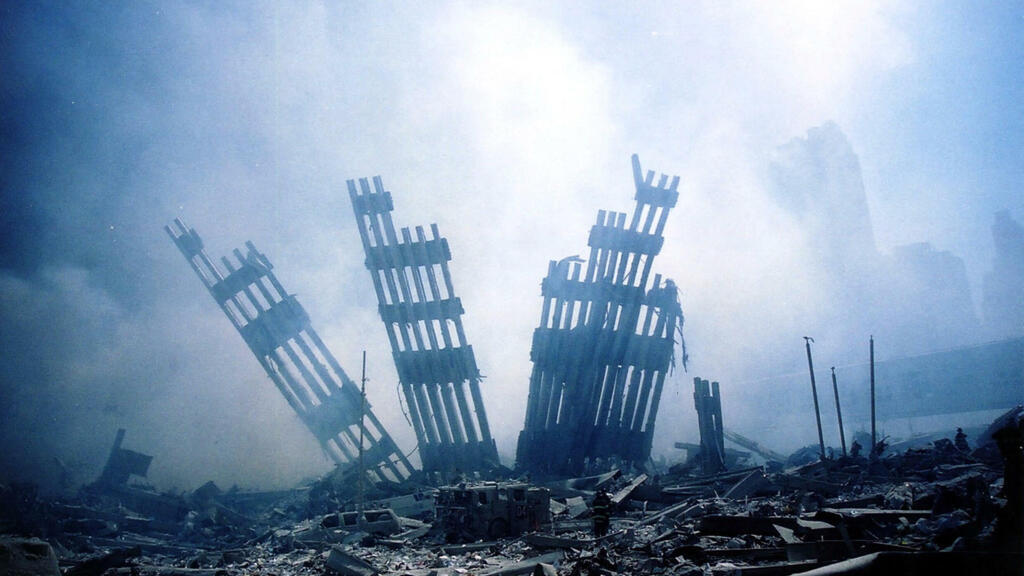
Dust settles. It always settles, given a quarter of a century. It settles into the grooves of limestone memorials, into the creases of old photographs kept in cedar boxes, into the silence of dinner tables where one chair has remained intentionally empty for nine thousand one hundred and twenty-five days.
Time is a strange architect. It builds monuments out of grief, turning raw, bleeding wounds into historic markers, shifting the vocabulary of an entire nation from the sharp terror of a Tuesday morning into solemn anniversary broadcasts. Twenty-five years. A generation has been born, raised, and entered the workforce without ever knowing the world before the sky fell. They know the Twin Towers only as archival footage, silent monoliths turning to gray ash on a loop, a historical chapter just before the modern era began.
To understand what a quarter-century means, consider a child born on September 11, 2001. That child is now twenty-five years old. They have grown up under the shadow of airport security lines, endless overseas deployments, and a quiet, persistent national vigilance that became the air we breathe. They learned history not from textbooks, but from the hushed tones of adults and the heavy, electric grief that descends upon the calendar every autumn.
Yet, numbers flatten things. Twenty-five years is a statistic. It is an administrative milestone. It is a series of speeches given by podiums in New York, at the Pentagon, and in a quiet field in Shanksville, Pennsylvania. But behind the statistics lies the human geography of endurance.
Walk through lower Manhattan on any ordinary weekday, past the twin reflecting pools carved into the footprints of the towers. Watch the faces of the people leaning against the bronze parapets. Some trace the engraved names with trembling fingertips, feeling the cold metal where the letters are etched, spelling out a mother, a brother, a high school sweetheart who never came home. They are not thinking about geopolitics or the architecture of national security. They are remembering the sound of a voice on an answering machine, saved and replayed until the magnetic tape wore thin.
Memory has a weight. For the families of the victims, the twenty-fifth anniversary is not a marker of closure. Closure is a myth invented by people who have never lost a world. Instead, it is a marker of persistence. It is the quiet triumph of waking up, making coffee, and continuing to love in a universe that proved, with terrifying suddenness, how fragile everything is.
The official narrative of the anniversary focuses on resilience. We rebuilt. We gathered our pieces. We stood back up. These are true statements, but they miss the texture of the recovery. Resilience is not a shield that bounces off pain; it is the slow, grueling process of carrying a heavy load until your muscles adapt to the strain.
Consider the emergency responders who walked into the dust. For years, the story was heroism—and it was. But twenty-five years later, the story is also about endurance against invisible enemies. Thousands have faced chronic illnesses linked to the toxic cloud that hung over the city for months. The fight did not end when the fires went out. It migrated into doctor's offices, lung clinics, and quiet insurance battles. That, too, is part of the twenty-five-year legacy. It is the cost paid in installments, decades down the line.
We often talk about history as if it belongs to the past, as if a line can be drawn cleanly across a calendar year and declare that then is over and now has begun. But history is a living current. The world we navigate today—our digital privacy debates, our collective anxieties, our deep tribal divisions, our heightened awareness of vulnerability—was forged in the crucible of that single morning.
When the commercial airliners struck, the illusion of geographical isolation evaporated. Oceans could no longer protect a society from the wider currents of global conflict. The subsequent wars, the shifting alliances, the restructuring of civil liberties—all of these flowed outward from Ground Zero like ripples in a dark pond, touching every corner of domestic and international life.
And yet, beneath the grand sweep of history, the most enduring artifact of the last twenty-five years is intensely private. It is the way a nation learned to hold its breath every September, and the way ordinary people learned to live with the knowledge that ordinary days can shatter without warning.
In a cemetery in Queens, a visitor places a single white rose on a headstone. The wind rustles through the oak trees, carrying the distant murmur of city traffic. No cameras are rolling here. No politicians are giving speeches. There is only the wind, the stone, and the quiet, stubborn persistence of love that outlasts steel, ash, and time itself.