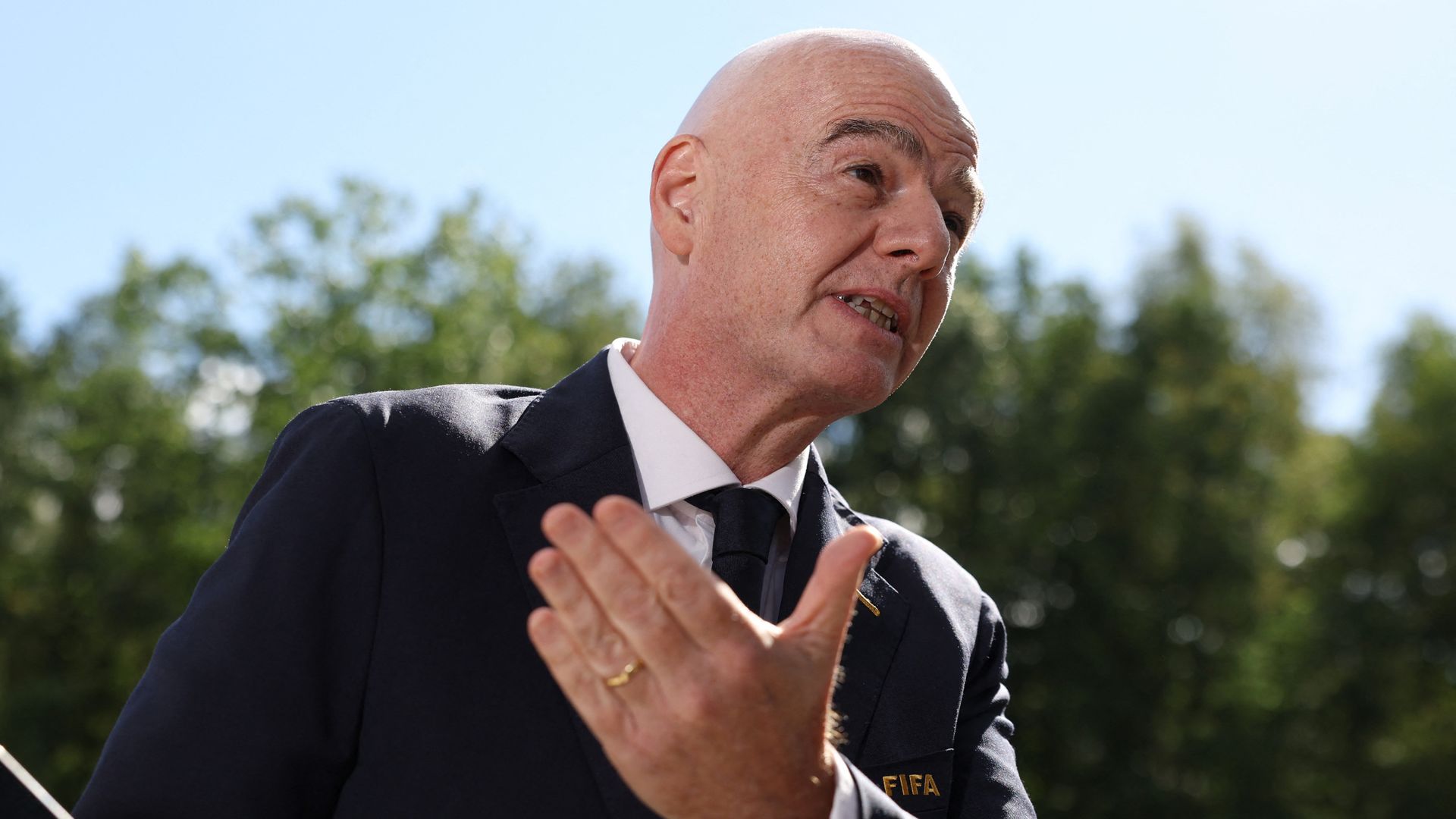
Every few months, another clean-handed European administrator stands before a microphone, adjusts a tailored lapel, and demands the immediate removal of Gianni Infantino. The latest iteration features German FA vice presidents and moralizing pundits clutching their pearls over expanded tournament calendars, commercial greed, and cozy relationships with authoritarian state capitals.
The lazy consensus writes itself: Infantino is a rogue autocrat who hijacked the people's game, turning Zurich into a private fiefdom of self-dealing and cash grabs.
It is a comforting narrative for people who prefer fairy tales to reality. It is also entirely wrong.
Infantino is not a glitch in the architecture of modern international soccer. He is the exact, inevitable product of it. Trying to oust him to save the soul of the sport is like firing the weather vane because you dislike the rain.
The Fiction of the Moral Separatist
Let us start with the core delusion held by the European establishment. They genuinely believe that international football once operated as a pristine, amateur sanctuary of sporting merit before FIFA lost its way in smoke-filled boardrooms.
I have watched administrative boards flush millions of dollars down the drain chasing the phantom of sports governance reform, operating under the naive assumption that structural purity yields moral outcomes. The historical record tells a different story. FIFA under Jules Rimet, under Joao Havelange, and under Sepp Blatter was never a charity. It was always a transactional oligarchy.
The only difference is that Infantino dropped the Victorian pretense.
When European federations controlled the levers of global power through absolute monopoly, they engineered tournaments to favor their domestic leagues, hoarded television revenues, and dictated terms to the rest of the planet. They called this tradition. When Infantino democratized access by expanding the World Cup, courting African, Asian, and American federations with expanded tournament slots and heavy financial distributions, the European elite labeled it corruption.
It is not corruption. It is simple math. Infantino bought political survival by redistributing the wealth that Europe spent a century consolidating. If you want to understand why he wins landslides among voting delegates while drawing venomous hatred from Western editorial boards, look at who holds the ballot papers. A delegate from a developing football nation cares infinitely more about infrastructure development grants arriving from Zurich than a German executive's lecture on democratic hygiene.
The Hypocrisy of the Commercial Outrage
The chief weapon in the anti-Infantino arsenal is the calendar. Too many matches. Player burnout. The Club World Cup bloating an already suffocating fixture list.
Every word of that complaint is physically accurate. Players are indeed running on fumes, and the physical toll of modern elite soccer is unsustainable. But listen closely to who is shouting loudest about fixture congestion: the very clubs and leagues that built this economic monster.
The same elite European clubs crying crocodile tears over player welfare are the ones booking multi-continent pre-season tours to Tokyo and New York for commercial exposure. They are the architects behind the aborted Super League, a quiet attempt to lock out domestic competitors and privatize the Champions League revenues entirely for themselves.
Infantino simply looked at the market, saw that private capital was willing to fund a bloated international club ecosystem, and decided FIFA should take a cut rather than let private equity capture the entire upside. To call him a dictator for exploiting the exact hyper-capitalist incentives that European clubs pioneered is staggering hypocrisy.
The market demanded endless inventory. Infantino supplied it. If you want fewer games, you have to slash television contracts, cut broadcast rights, and accept lower valuations. Nobody in Zurich, Madrid, or Manchester is willing to take that pay cut.
The Geopolitical Reality You Refuse to See
Then there is the moral critique regarding state ownership, sovereign wealth funds, and the hosting rights awarded to regimes with dubious human rights records.
Let us be brutally honest about how global power operates. Western capital has spent decades integrating with petrodollars, sovereign wealth funds, and authoritarian economies across every major industry from aerospace to real estate. Yet when FIFA hosts a tournament in a Gulf state or accepts sponsorship from a national oil company, it is treated as a unique moral betrayal of the sporting ethos.
Why? Because sports are supposed to remain a nostalgic theme park where middle-class fans can project their fantasies of pure meritocracy, untainted by the bloodless machinery of global finance.
Infantino understands that the geopolitical center of gravity has shifted eastward and southward. The notion that European sports administrators possess some divine mandate to gatekeep who gets to host the world's game is a relic of a dead imperial era. By anchoring FIFA's expansion in emerging markets, Infantino has made the organization virtually immune to Western boardroom coups.
Why the Critics Keep Failing
If you want to unseat a leader like Infantino, you do not issue press releases lamenting the loss of sporting values. You out-organize them. You build a coalition of stakeholders willing to walk away from the table.
Yet the German FA and their allies will never pull out of a World Cup. They will never forfeit television revenue. They will issue sternly worded statements in the morning and cash their broadcast dividend checks by the afternoon.
Infantino knows this. He reads the same balance sheets you do. He knows that moral outrage without leverage is just performance art.
Stop pretending that replacing one suit with another will restore a golden age that never existed. The game is global, hyper-commercialized, and ruthlessly transactional. Infantino is not the disease. He is just the best player at the table.