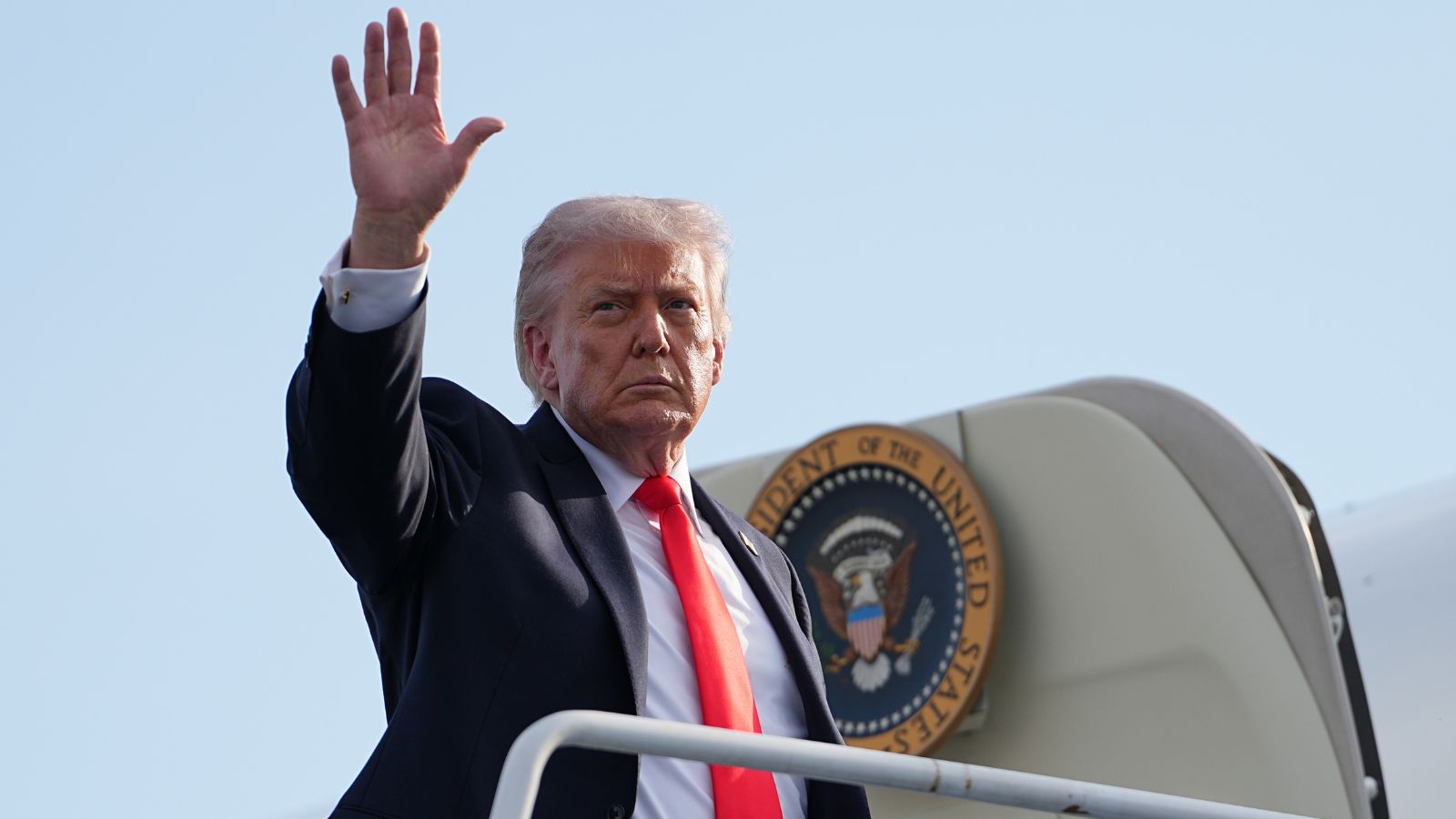
Donald Trump is currently navigating a political minefield that he helped build. After months of high-stakes military strikes and a punishing naval blockade under Operation Epic Fury, the White House is signaling a massive shift toward diplomacy with Tehran. It's a move that's catching both his allies and his enemies off guard, and honestly, the internal blowback is getting messy.
The core of the issue is a proposed three-stage agreement that would essentially end the current hot war. The deal aims to reopen the Strait of Hormuz, where roughly 20% of the world’s energy supply has been choked off, sending gas prices into the stratosphere. In exchange, the U.S. would unfreeze around $20 billion in Iranian assets and allow the regime to resume oil sales.
This isn't just a foreign policy pivot. It’s a domestic political explosion.
The Republican Civil War over Tehran
For years, the GOP platform on Iran has been "maximum pressure." Now that Trump is talking about a 60-day ceasefire and phased sanctions relief, the hawks are out for blood.
Senators like Lindsey Graham and Roger Wicker aren't just skeptical; they're publicly slamming the framework. Wicker recently called the proposed ceasefire a "disaster," arguing that every gain made during the military campaign would be "for naught." This isn't just standard political theater. It’s a fundamental disagreement over what "victory" looks like in the Middle East.
- The Hawks' View: They believe any deal that leaves the current Iranian regime with its nuclear infrastructure intact is a total surrender. They want a knockout blow, not a "reset."
- The Trump Realists: They argue the war is costing too much—$29 billion and counting—and that the American public is over it. They want the oil flowing and the troops home before the next election cycle.
Trump, naturally, is pushing back on social media, calling his critics "losers" and insisting that nobody actually knows the details of the deal yet. He's framing this as the "Exact Opposite" of the 2015 Obama deal, but the skeptics aren't buying it. When John Bolton and Mike Pompeo are on the same side of an argument against a Republican president, you know the political fault lines are deep.
The Art of a Very Messy Deal
What makes this negotiation different from 2015 is the leverage—or lack thereof. Iran knows it can crash the global economy by keeping the Strait of Hormuz closed. They've already proven they're willing to take the hit.
Trump's latest "ask" is for regional players like Qatar, Egypt, and Jordan to join the Abraham Accords as part of the package. He's trying to bundle a bilateral peace deal into a broader regional transformation. It’s a classic high-stakes gamble. If it works, he’s the ultimate peacemaker. If it fails, he’s left holding the bag for a war that didn't achieve its primary goal: the total dismantling of Iran's nuclear program.
The technicalities are where things get really sticky. Under the current draft, Iran would give up its stockpile of highly enriched uranium, but the "how" and "when" are being kicked down the road to a 60-day negotiation window.
The Economic Pressure Valve
You can’t talk about this deal without talking about the price of gas. The naval blockade has been effective at hurting Iran, but it’s been equally effective at hurting American wallets. Voters don't care about the intricacies of uranium enrichment when they're paying record prices at the pump.
The administration is betting that the economic relief from reopening the Strait will outweigh the political cost of appearing "soft" on Tehran. But this creates a paradox. By unfreezing billions of dollars, the U.S. is essentially funding the very regime it spent months trying to cripple. It's a bitter pill for many in Washington to swallow.
What Happens Next
The clock is ticking on a 60-day window that starts June 5 in Pakistan. Here is what you need to watch for as this develops:
- The Verification Gap: Watch for whether the U.S. demands the physical removal of uranium from Iranian soil. Anything less will be branded a "fake deal" by the GOP right.
- The Israel Factor: Prime Minister Netanyahu has already signaled that any agreement must "eliminate the nuclear danger." If Israel feels the deal is too weak, they might act unilaterally, which would blow the whole ceasefire apart.
- The Abraham Accords Expansion: Keep an eye on Saudi Arabia. If they don't sign on to the Accords as part of this process, Trump's "Grand Bargain" starts to look more like a standard ceasefire.
If you’re tracking this, don't look at the official press releases. Watch the movement of oil tankers in the Gulf and the rhetoric from the Senate Armed Services Committee. The real story isn't just whether the war ends, but who in Washington gets sacrificed to make it happen.
Stop waiting for a "perfect" peace. In the Middle East, you usually just get a temporary pause while everyone reloads. If you want to stay ahead of the next market shift, keep your eyes on the 60-day negotiation window in Pakistan. That's where the real "Art of the Deal" will either succeed or go up in smoke.