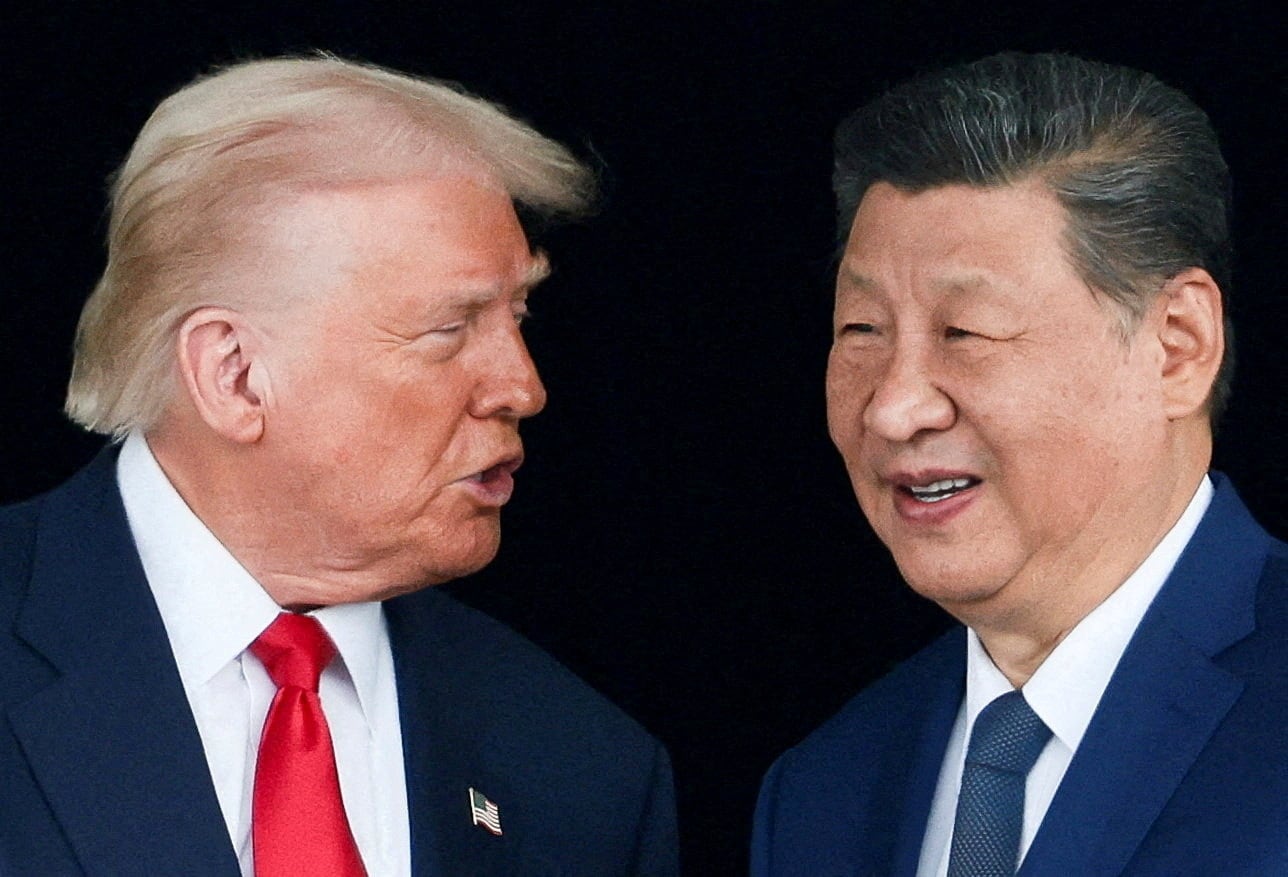
Donald Trump just touched down in Beijing, and if you think this is just another stiff diplomatic photo op, you haven't been paying attention to your gas bill or your 401(k). This isn't 2019 anymore. We're in May 2026, and the stakes for this meeting at the Great Hall of the People are absurdly high.
The big headline is the trade truce, but the real ghost at the banquet is the two-month-old war with Iran. For the first time in nearly a decade, a U.S. President is on Chinese soil while American forces are actively blockading the Strait of Hormuz—the same waterway that feeds China's massive energy appetite. It's an awkward, dangerous, and incredibly tense backdrop for a "state visit-plus."
The Trade Truce is Hanging by a Thread
Let’s be real about the "truce" everyone keeps talking about. Since the pause in October, we’ve seen a lot of handshakes but not much structural change. Trump is heading into these talks needing a win. His popularity at home is taking a hit because of inflation—mostly driven by the mess in the Middle East—and he's looking for China to start cutting big checks for American soybeans, beef, and Boeing jets.
But China isn't exactly feeling generous. While they're happy to buy some beans to keep the peace, they've spent the last year sharpening their own economic weapons. They’ve got a stranglehold on critical minerals and rare earths. You know, the stuff that makes your phone work and keeps the U.S. military’s missile systems functional.
If Trump wants Xi to open the floodgates for companies like Nvidia or Goldman Sachs, he's going to have to offer more than just "not raising tariffs." China knows the U.S. is stretched thin by the war, and they're playing their hand like the house always does—patiently.
The Iran War Shadow
You can't talk about trade without talking about oil. Right now, the U.S. Navy is literally intercepting tankers bound for China because they’re carrying Iranian crude. Imagine trying to strike a "friendship" deal with someone while you're blocking their lunch delivery. That’s the vibe in Beijing right now.
China is Iran's biggest customer. They’ve been quietly fuming about the U.S. blockade, but they’ve also been the ones nudging Tehran to keep ceasefire talks alive. They want the war to end because it’s bad for business, but they don’t want to look like they’re doing Washington’s bidding.
Trump told reporters yesterday that he has Iran "very much under control." Honestly, that sounds like posturing. If he truly had it under control, he wouldn't be looking to Xi to use China's leverage in the region. The U.S. wants China to stop the flow of drone parts and missiles to Tehran. China wants the U.S. to stop messing with their energy security. It’s a classic Mexican standoff in the middle of a Chinese state banquet.
The AI Guardrails We Actually Need
One of the more surprising items on the agenda is Artificial Intelligence. We're not talking about chatbots writing poetry; we’re talking about AI-enabled cyber warfare and safety protocols. Both countries are the undisputed heavyweights in this field, and they’re both terrified of what happens if the other side gets a decisive lead.
There’s talk of resuming the AI safety dialogues that started years ago. It’s a rare moment of shared interest. Neither side wants an autonomous system accidentally triggering a kinetic conflict. However, don't expect a grand bargain here. The U.S. is still dead-set on export controls to keep the most advanced chips out of Chinese hands, and Beijing isn't about to give up its quest for tech self-reliance.
What This Means for You
So, why should you care? If these talks fail, expect gas prices to stay high and the tech sector to get even more volatile. If they succeed—even partially—we might see a bit of stability in the markets.
- Watch the Boeing deals: If China announces a massive order, it's a sign that the trade truce is holding.
- Look for "Stability" language: If the joint statements focus on "managing differences," it means they've agreed to disagree without blowing everything up.
- The Strait of Hormuz: Keep an eye on any mentions of "freedom of navigation." If China and the U.S. can agree on shipping tolls or safe passage, the war might actually be winding down.
Don't hold your breath for a total reset of the relationship. That's not happening. These two leaders are just trying to keep the wheels from falling off the global economy while they navigate a war that neither of them can afford to lose.
If you're looking to protect your portfolio, keep a close eye on those critical mineral supply chains. As long as China controls the magnets and the U.S. controls the high-end chips, the friction isn't going away. It's just moving to a different theater.
Global Economy and Trade Relations Explained
This video provides the essential context on President Trump's arrival in Beijing and the specific pressures he faces regarding trade and the Iran war.