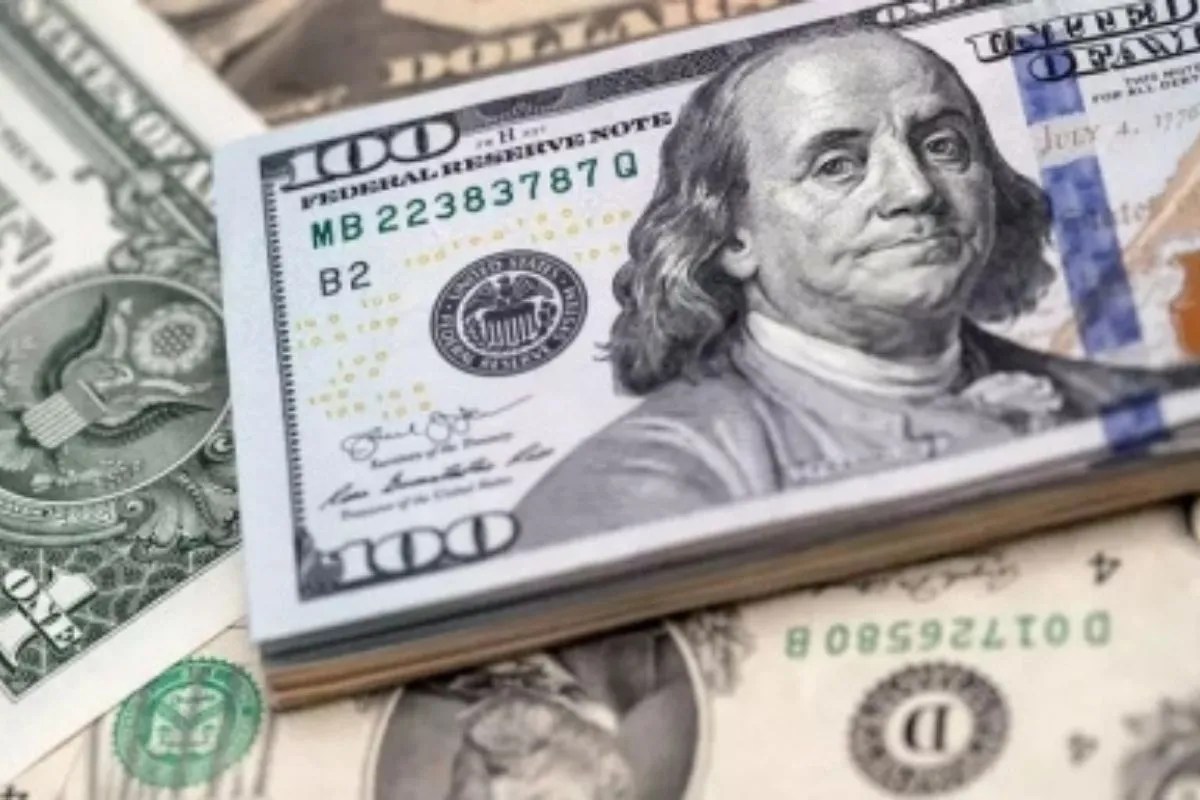
Donald Trump has never been shy about telling the central bank how to run its business. His latest argument is that the United States should boast the lowest interest rate in the global economy. It sounds appealing on the surface. Who wouldn't want cheaper mortgages, lower credit card APRs, and business loans that cost next to nothing?
Yet this demand collides directly with how monetary policy actually functions. When a president tries to jawbone independent financial regulators into slashing rates, reality usually gets in the way. Inflation figures, energy shocks, and surging federal debt create boundaries that political pressure cannot simply wish away.
The Global Rate Competition Fallacy
The core of the argument rests on a belief that America holds the premier credit standing in the world, meaning it should dictate the cheapest borrowing terms. Other developed nations manage lower rates, so why shouldn't the superpower do the same?
The math doesn't quite work that way. Central banks set benchmark rates to manage domestic price stability and employment, not to win an international race for the bottom. If the Federal Reserve drops its benchmark rate to zero or matches the lowest international outliers while domestic inflation remains sticky, the consequences hit everyday consumers fast. Cheap money pours into an economy that is already running hot, driving up the cost of groceries, housing, and fuel even faster.
Why Central Bank Independence Matters
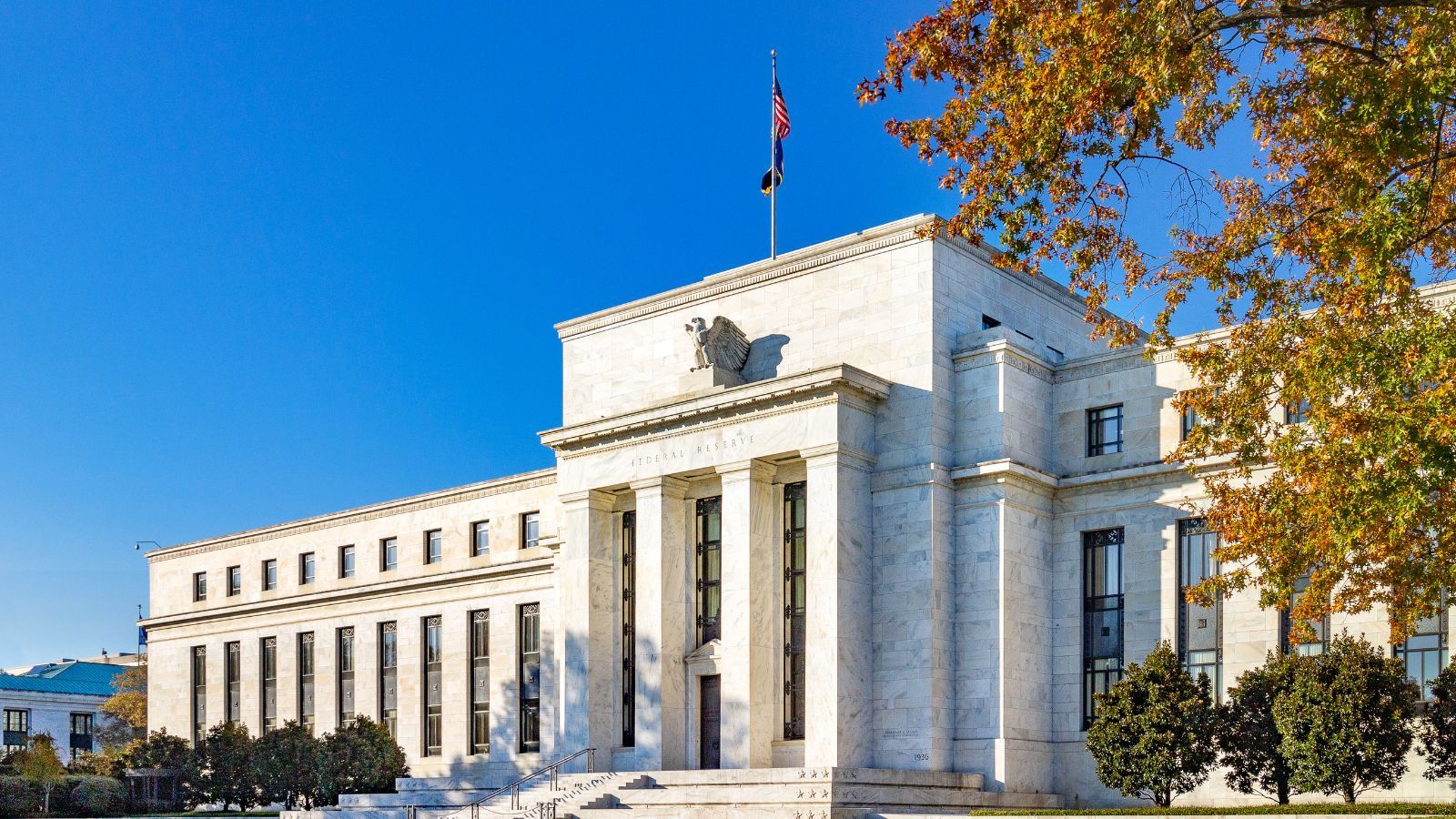
The Federal Open Market Committee operates under a mandate to keep prices stable and maximize employment. That structure exists for a specific reason. Politicians face short-term electoral incentives. They want growth today, low unemployment tomorrow, and happy voters at the ballot box next November.
If the White House controlled borrowing costs directly, every administration would crank rates down right before an election. The hangover from that kind of political interference is runaway inflation. When the central bank resists that pressure—even when officials face heavy criticism—it acts as a shock absorber for the broader financial system.
The Real Drivers of Borrowing Costs
Interest rates aren't pulled out of thin air or dictated solely by fiat. They respond to massive structural realities. The federal government borrows roughly two trillion dollars annually, and servicing that national debt now eats up more cash than military spending.
When deficit spending runs wild, bond markets demand higher yields to compensate for the risk of holding government debt. You can yell at the central bank all you want, but if fiscal policy keeps pumping money into the system and driving up deficits, market forces will push rates back up. Fixing the cost of borrowing requires dealing with the budget deficit first, rather than demanding arbitrary rate cuts that ignore underlying economic data.
Lower rates sound great until you realize what pays for them. Until fiscal discipline matches political ambitions, wanting the world's lowest rate is just wishful thinking.