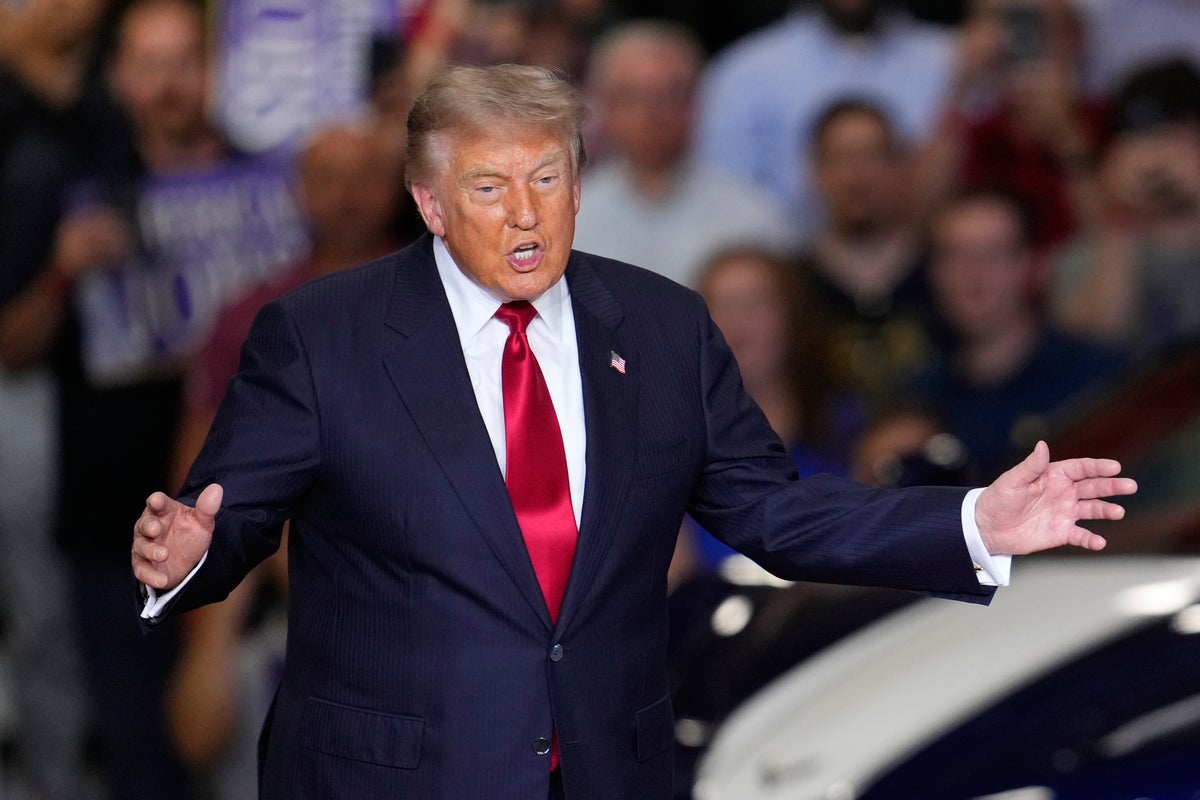
Political rallies rarely lack hyperbole, but Donald Trump managed to turn heads during a recent stop in Michigan by dropping a line that pushed rhetorical boundaries even for him. Standing inside a General Motors design facility in Milford, the president looked out at a crowd of autoworkers and delivered a blunt declaration.
“I've done more for you than your parents, OK?” Trump said.
It was vintage Trump—combining deadpan exaggeration with an aggressive defense of his economic playbook. But beneath the headline-grabbing quip lies a serious battle over the economic future of America's industrial heartland. Let's look at why he made the trip, what his policies are actually doing to the region, and why Michigan remains the ultimate political prize.
Inside the Milford Proving Ground Visit
The backdrop for the speech wasn't a standard convention hall. Trump visited the sprawling General Motors Proving Ground in the Detroit suburbs, a massive testing facility where vehicles are pushed to their absolute limits. Before taking the stage to talk policy, he watched a series of high-speed drag races featuring muscle cars, Corvettes, and electric Hummers—an exhibition heavily branded around domestic manufacturing power.
He was joined by GM executives, including CEO Mary Barra, as well as cabinet members and local Republican figures like Senate candidate Mike Rogers. The core message of the day focused on domestic investment and the return of manufacturing jobs. Trump argued that his administration's heavy tariffs on foreign cars and parts are the single reason the state's automotive sector is staying afloat.
The Tariff Debate and Economic Reality
While Trump cheered domestic production plans, the local economic reality is far more complicated. Michigan sits right on the front lines of trade disputes, particularly with Canada. Sweeping import taxes have put local manufacturers in a tight spot. Industry groups and company leaders have repeatedly warned that tariffs increase the cost of raw materials and parts, driving up consumer prices and squeezing profit margins.
Critics argue that these duties hurt the very workers they're supposed to protect. Yet, supporters point to billions in announced domestic commitments and tax cuts as proof that the protectionist strategy works. Trump brushed off the pushback during his remarks, insisting that tariffs are the only weapon strong enough to keep foreign competitors from swallowing American manufacturing whole.
Why Michigan Matters Right Now
Michigan isn't just another state on the electoral map. It's a battleground that flips back and forth based on economic anxiety and blue-collar sentiment. After swinging back to Trump, the region is dealing with the immediate impacts of shifting trade policies, infrastructure tensions at the Canadian border, and upcoming political primaries.
When Trump tells workers he has done more for them than their families ever could, he's tapping into a deep-seated grievance. He's framing himself as the lone protector against decades of globalist policies that shipped middle-class jobs overseas. Whether workers buy that pitch depends entirely on whether they see secure factory floors or rising costs in their daily lives.
Take a close look at how local manufacturing investments unfold over the next year. Watch how trade policies affect vehicle sticker prices at dealerships near you. Pay attention to upcoming primary results to see if blue-collar voters stick with the America First agenda.