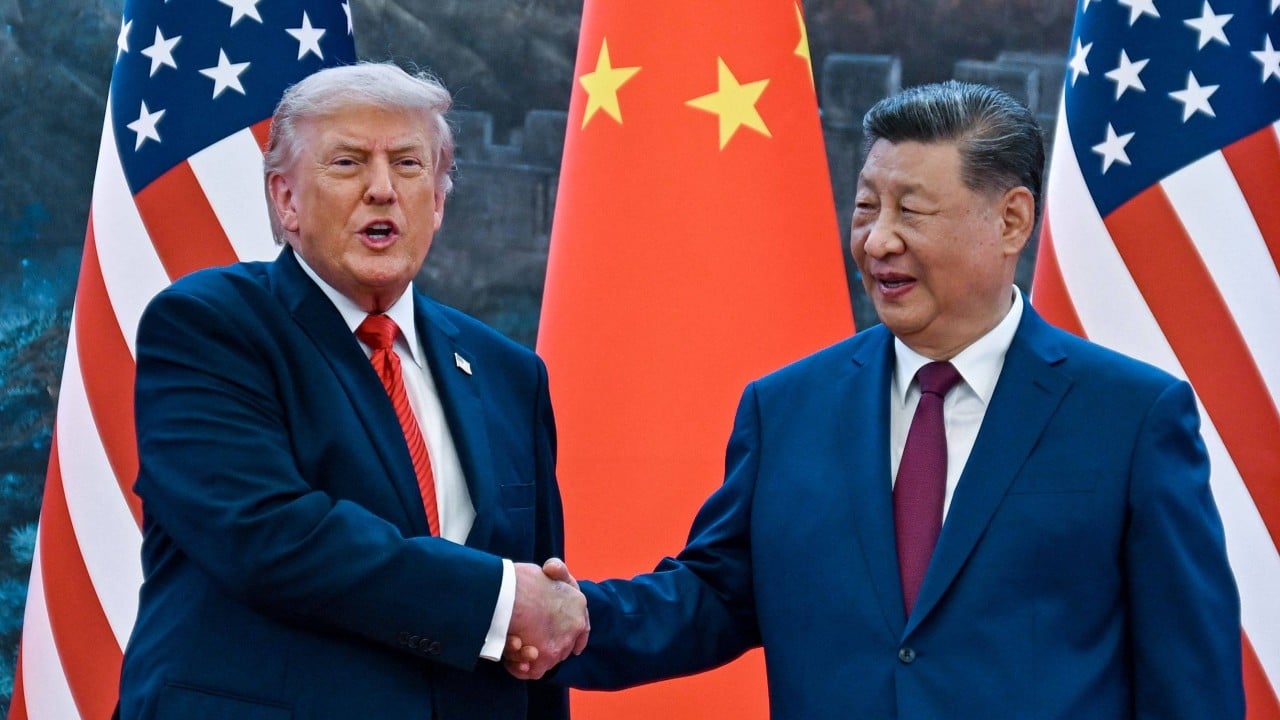
Every time Washington and Beijing trade new regulatory jabs, pundits panic. Headlines scream about impending economic blockades and cancelled leadership meetings. You have probably seen the breathless warnings asking whether a fresh tariff hike or export restriction will completely torpedo a high-stakes presidential summit.
Spoiler alert: it almost never does.
Trade speed bumps are built into modern superpower relations. They are tactical maneuvers, not strategic dealbreakers. If you want to understand why top-level meetings between American and Chinese leaders survive escalating rhetoric, you have to look past the daily noise of customs disputes and examine the actual incentives driving both capitals.
The Real Purpose of High-Level Summits
Let us be honest about what these summits actually achieve. They rarely solve deep structural conflicts over industrial policy, intellectual property, or technology dominance. Instead, leaders use them to manage friction and prevent cold competition from freezing over completely.
When domestic constituents or corporate lobbyists pressure politicians to look tough, governments reach for familiar tools. Washington levies targeted export controls or port fees. Beijing retaliates with restrictions on rare earth elements or directives telling local firms to ignore foreign sanctions.
These tit-for-tat actions create genuine market jitters. Supply chains shudder. Corporate executives scramble to model different risk scenarios. Yet, cancelling a planned face-to-face meeting because of an ongoing trade dispute is a terrible option for both sides. Neither Washington nor Beijing wants to take the blame for shutting down diplomacy.
Why Leaders Need the Meeting More Than the Truce
Both administrations face heavy domestic pressures that make direct communication essential, regardless of how many trade curbs are active.
On the American side, agricultural sectors and export-heavy industries demand relief. When soybean purchases stall or tariffs hit consumer electronics, political friction spikes at home. A presidential summit offers a convenient stage to announce minor concessions, such as renewed commodity purchases or temporary tariff rollbacks, which give stock markets a short-term sugar rush.
Meanwhile, Beijing faces its own economic balancing act. Export reliance remains a critical pillar for a domestic market navigating structural headwinds. Chinese leadership deeply dislikes unpredictability. By locking in a structured calendar of diplomatic engagements, Beijing tries to force a degree of stability onto an otherwise volatile relationship.
A minor trade disagreement or a dispute over third-party energy shipments will not derail an event that both leaders rely on to project control.
Where the Real Breaking Points Actually Lie
If routine trade friction does not stop a summit, what actually could?
History and current geopolitical realities show that leaders only walk away from the table when core national sovereignty or direct security red lines are crossed. We are talking about severe military escalations, major kinetic crises, or direct breaches of uncompromisable security interests.
A disagreement over semiconductor export licenses or secondary sanctions on shipping firms creates a headache for trade lawyers, but it operates in a completely different category than a direct military standoff. Bureaucrats can negotiate trade rules for months while the core strategic rivalry continues unabated.
How to Navigate the Noise
If you are running a business or managing investments exposed to international trade, stop reacting to every single regulatory headline.
Track the structural indicators instead of the daily announcements. Look at whether official diplomatic channels are staying open behind closed doors. Pay attention to whether commercial delegations are still traveling or if visas are being frozen. Most importantly, recognize that trade policy under major economic powers is an ongoing negotiation masquerading as a permanent crisis.
Expect the friction to continue. Do not expect it to stop the leaders from showing up.