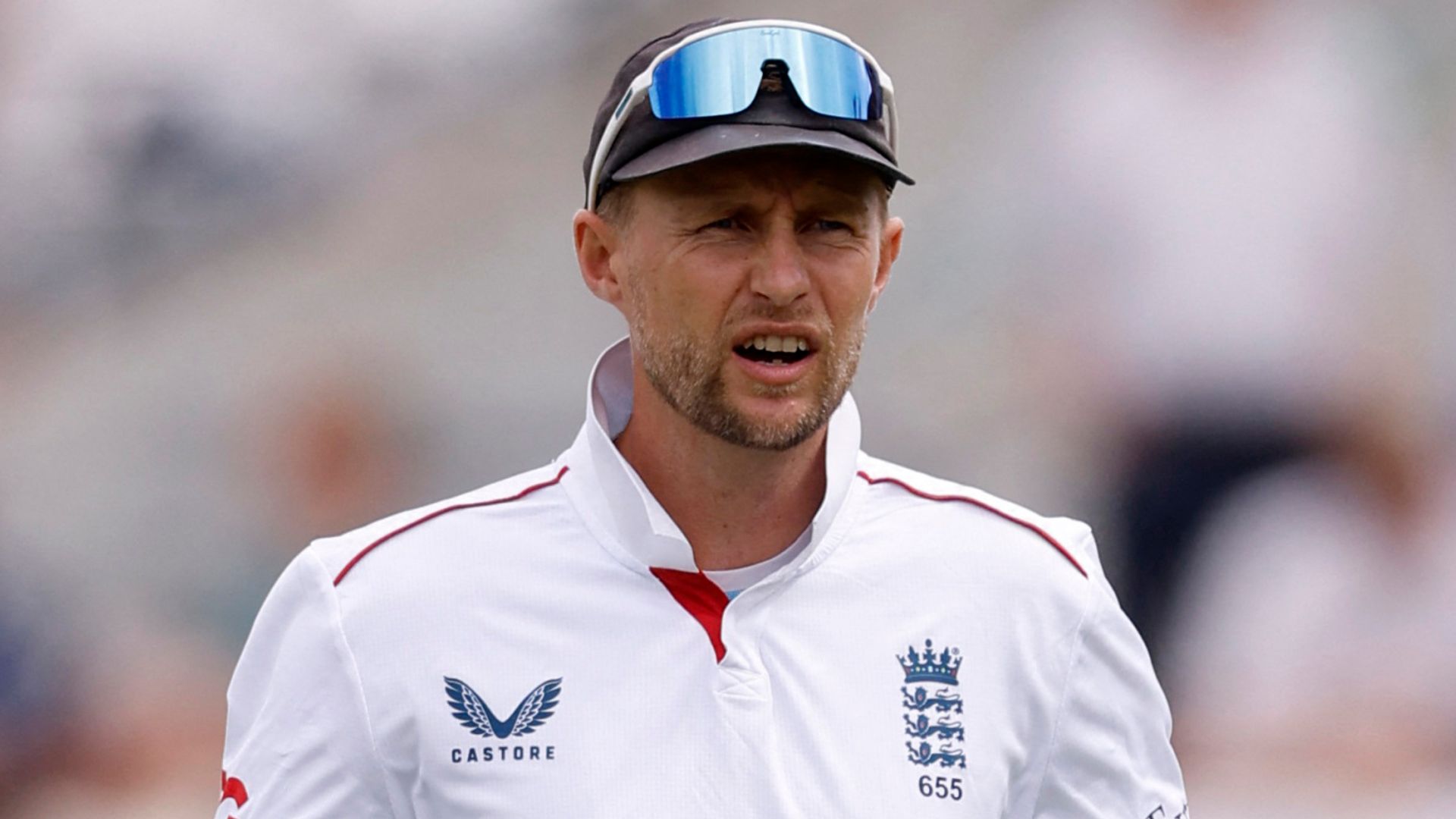
The chest of an England cricketer holds more than just a heartbeat on a breathless July afternoon. It holds the accumulated hopes of damp villages in Yorkshire, sweltering car parks in Essex, and glowing television screens in London pubs where pints sweat against condensation rings. When a batsman walks out to face the first delivery of a Test match, the fabric stretched across his shoulders is not merely sportswear. It is a flag worn close to the skin.
For the past few years, that sacred cloth has carried the stamp of Castore. Building on this topic, you can also read: Why Carlos Alcaraz and Aryna Sabalenka Are Shining While the Williams Sisters Choke on Nostalgia.
Now, the boardroom doors are swinging wide. Whispers have hardened into financial reality. The British sportswear brand that gatecrashed a market dominated by monolithic giants is reportedly eyeing a blockbuster sale or a major private equity injection, valuing the enterprise at nearly one billion pounds.
To understand why this matters, you have to look past the spreadsheets and the corporate advisory desks. You have to look at the threads. Analysts at ESPN have provided expertise on this situation.
The Sound of Modern Ambition
Picture a quiet industrial estate outside Manchester on a Tuesday morning in 2015. Two brothers, Thomas and Phil Beahon, professional athletes turned entrepreneurs, sat in a tiny office with a radical premise. The big players in athletic apparel had grown lazy, relying on heritage logos stamped onto cheap polyester while charging premium prices. The brothers believed athletes deserved better. They wanted engineering disguised as apparel.
They started small. They obsessed over microfiber weights, moisture dispersal rates, and shoulder seams that refused to bind during a fast bowler's violent rotation.
Consider what happens next in any classic underdog trajectory. The hustle works. Tennis maestro Andy Murray takes a stake and wears the gear. Then comes the watershed moment: a partnership with McLaren in Formula One, followed by elite football kits for teams like Aston Villa, Newcastle United, and Rangers, alongside the coveted contract to outfit the England cricket team.
Growth is intoxicating. It is also deeply expensive.
When a brand scales from a boutique challenger into a global behemoth that sponsors the pinnacle of international sport, it requires a monumental injection of working capital. Manufacturing millions of replica shirts, shipping them across turbulent global supply chains, and securing marquee sponsorship rights demands deep pockets. Private equity firms smell blood in the water, or rather, opportunity in the ledger. They want a piece of the high-speed machine the Beahon brothers built.
The Weight of the Badge
Let us be completely frank about what sports apparel actually represents to the fan. It is an emotional tax paid in advance.
When a parent spends a hundred pounds on an England cricket shirt for their ten-year-old child at the Lord's team store, they are not buying plastic and dye. They are buying belonging. They are buying a physical ticket to a tribe.
This is where the Castore journey encountered turbulence. In the hyper-connected ecosystem of modern football and cricket, the consumer is unforgiving. When Aston Villa players complained that their wet shirts trapped sweat and clung heavily to their torsos during high-stakes Premier League fixtures, the criticism did not stay on the pitch. It went viral within minutes. Internet sleuths dissected the heat-pressed crests peeling off after a sliding tackle.
To the credit of the brand, they listened. They accelerated manufacturing timelines, upgraded technical specifications, and tightened quality control. But the episode revealed a brutal truth about the modern retail landscape: when you scale at breakneck speed, your mistakes are broadcast in high definition to millions of critics.
Running a challenger brand against Nike and Adidas is like fighting a guerrilla war against an empire. You can win battles through agility and superior design, but eventually, you need heavy artillery. You need capital reserves that can absorb supply chain shocks, currency fluctuations, and soaring marketing costs.
Behind Closed Doors
Financial markets operate on cold mathematics, yet they are driven entirely by human desire and fear. Investment banks are currently circling Castore with calculators humming and valuation models glowing. Reports suggest that the company could fetch a staggering price tag, transforming the young founders into multi-millionaires several times over.
Hypothetically speaking, imagine sitting across the mahogany table from a private equity partner evaluating this deal. They do not care about the romance of a crisp white Test sweater or the historic ashes battles fought in the mud of Edgbaston. They care about gross margins, direct-to-consumer digital conversion rates, and international expansion vectors in North America and Asia.
They see a brand that has proven it can disrupt the status quo. They see proprietary fabric technologies. They see a golden logo that young consumers actually want to wear on the high street, not just in the gym.
Yet, the soul of the enterprise hangs in the balance. When institutional money enters the room, the culture inevitably shifts. The scrappy, experimental spirit that birthed the company in a northern warehouse risks being sanded down by risk-averse corporate committees.
The Final Over
Cricket is a game defined by patience, strategy, and sudden, breathtaking moments of drama. You can block for hours, defending your wicket against relentless pressure, waiting for the loose ball.
Castore has played a magnificent defensive innings so far, surviving the initial onslaught of legacy competitors and carving out a lucrative space in the global sporting consciousness. Now, the scoreboard shows they are nearing their target. The billion-pound valuation represents the end of the opening partnership.
What happens next will determine whether the brand becomes a lasting global institution or a cautionary tale of rapid expansion that outgrew its own foundation.
Out on the village green, a boy dives to stop a scorching cover drive, grass staining the white polyester of his shirt. He does not know about private equity valuations. He does not care about enterprise multiples or distribution logistics. He only knows that the badge on his chest feels strong, that the sun is breaking through the English clouds, and that for one perfect afternoon, he is part of something infinitely larger than himself.