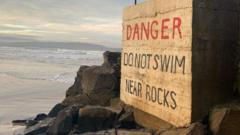
You pack the towels, grab the sunscreen, and head to the coast for a quick swim. But when you arrive, there is a fresh sign posted near the sand, or an alert pops up on your phone. A bathing warning has been issued. The cause? A potential water pollution incident.
Most people see these alerts and assume it is just bureaucracy overreacting. It is not. Entering the water during a pollution advisory is a gamble with your health, and the odds are not in your favor. When environmental agencies issue these warnings, they are reacting to real-time risks that can cause a miserable week of illness. Meanwhile, you can find related developments here: Stop Plucking Your White Hair Because It is Not A Disease.
The Reality Behind the Warning Signs
Water pollution incidents generally stem from a few predictable sources, but the most common culprit is wastewater infrastructure failure. When heavy rain hits, or when an underground pipe ruptures, local sewage networks get overwhelmed. To prevent sewage from backing up into your kitchen sink, systems are designed to release excess, untreated wastewater directly into rivers and coastal waters through storm overflows.
It is gross. It is also incredibly common. Organizations like Surfers Against Sewage track these events meticulously. Their real-time data shows that hundreds of coastal spots get hit with raw or partially treated sewage every single year, turning a pristine swimming hole into a biological hazard zone. To see the complete picture, we recommend the excellent report by National Institutes of Health.
The problem is that you cannot always see it. Sure, sometimes the water looks brown, turbid, or smells like a neglected bathroom. But often, the water looks perfectly fine. The pathogens are microscopic, floating silently in the surf, waiting for a swimmer to take a big gulp of water.
What Happens to Your Body in Contaminated Water
Environmental agencies do not test for every single virus or bacteria when a spill happens. It takes too long and costs too much. Instead, they test for indicator bacteria, usually Enterococci or E. coli. These bacteria live in the intestines of warm-blooded animals and humans. If a sample shows sky-high levels of Enterococci, it means fecal matter is present. Where there is fecal matter, there are pathogens.
If you ignore the warning and dive in anyway, you face a laundry list of health risks.
- Gastrointestinal Illness: This is the most frequent outcome. Swallowing even a tiny amount of contaminated water can introduce pathogens like Giardia, Cryptosporidium, or Norovirus into your system. You are looking at days of severe diarrhea, vomiting, stomach cramps, and dehydration.
- Ear and Eye Infections: Contaminated water gets trapped in your ear canal or irritates your eyes, leading to nasty cases of swimmer’s ear or conjunctivitis.
- Skin Infections: Got a small cut on your leg? A bug bite you scratched open? Bacteria in the water will find it. You can end up with staphylococcus infections or severe dermatitis.
- Respiratory Issues: Splashing in waves creates an aerosol effect. You inhale tiny droplets of contaminated water, which can trigger chest infections, coughing, and flu-like symptoms.
Kids are at the highest risk. Studies show that children swallow up to four times more water than adults when swimming. Their immune systems are still developing, making them prime targets for waterborne bugs. The elderly, pregnant women, and anyone with a compromised immune system should stay far away from the surf when an alert is active.
How to Check Your Local Water Quality Right Now
Do not rely solely on physical signs at the beach. Signs get blown away, stolen, or posted too late. You need to be proactive before you even turn the key in your car.
If you are in the UK, download the Safer Seas and Rivers Service app. It provides real-time pollution alerts based on water company data and impact modeling. You can see exactly where active sewage discharges are happening. If you are in the US, use the EPA’s BEACON system (Beach Advisory and Closing Online Notification) to check the status of over 6,000 beaches. Local state health department websites also post active brown water advisories or beach closures.
A good rule of thumb is the 48-hour rule. If it has rained heavily in the last two days, stay out of the water. Stormwater runoff carries pet waste, fertilizers, oil from roads, and overflow sewage directly into the sea.
What to Do If You See Active Pollution
If you walk down to the shore and spot brown, foamy water, or notice a distinct chemical or sewage smell, do not just turn around and drive home. Report it. Environmental regulators rely on public reports to track illegal dumping and broken infrastructure.
Take photos and videos of the water. Note the exact location, time, and date. Drop a pin on your maps app so you have the precise coordinates. Report the incident directly to your local environmental regulator—like the Environment Agency in the UK or your state’s Department of Environmental Quality in the US.
If you accidentally swam in water that was later declared contaminated, monitor yourself closely. Wash off immediately with fresh water and soap, paying special attention to any open wounds. If you start experiencing vomiting, a high fever, or severe stomach pain within 24 to 48 hours, skip the home remedies and see a doctor. Tell them explicitly that you were in potentially polluted coastal water so they know exactly what strains of bacteria to test for. Water safety is not just about rip currents and lifeguards. What you cannot see can hurt you just as badly. Check the apps, respect the warnings, and keep your head above water.