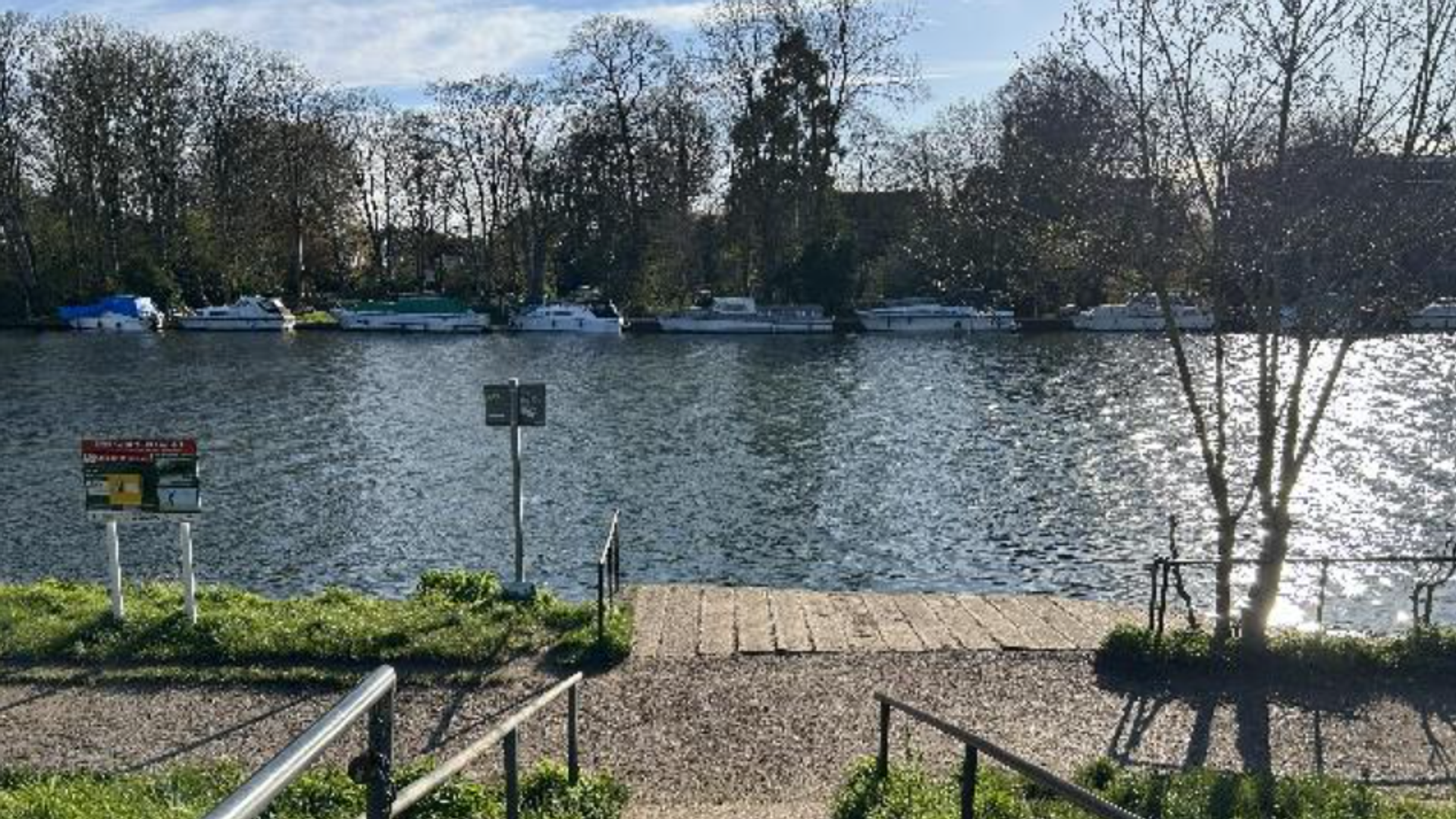
Panic sells. Clean water warnings drive clicks. Every summer, local outlets run the exact same script about London's favorite aquatic spots. Toxic algae takes over the headlines. Officials wave their hands. Swimmers retreat indoors to chlorinated pools like scared sheep.
Let us stop pretending this is about public safety. It is about legal risk aversion and municipal cowardice.
The lazy consensus claims that any natural body of water showing a hint of discoloration or a spike in microscopic bacteria requires immediate closure. This approach assumes rivers are pristine swimming pools. They are not. Rivers are living ecosystems. They pulse with organic matter, shifting weather, and seasonal blooms. Treating a natural ecosystem like a sanitized bathroom leads to absurdity.
I have watched local authorities drop millions on panicked public relations campaigns while ignoring the actual physics of urban hydrology.
Let us define the core issue clearly. Blue-green algae, or cyanobacteria, naturally occurs in freshwater globally. It thrives on sunlight and nutrient runoff. When the temperature climbs, populations spike. Some strains produce microcystins. These toxins cause skin irritation or gastrointestinal distress if ingested in high quantities.
Here is the part the headlines omit. Algae blooms are localized, dynamic, and transient. Wind shifts push mats of bacteria across a lake in hours. Closing an entire bathing spot for weeks because of a localized morning patch of scum is administrative laziness. It replaces personal risk assessment with blanket bans.
Imagine a scenario where drivers faced highway closures every time a puddle formed on the shoulder. That is how modern urban swim management operates.
Londoners are smart enough to look at water, smell it, and decide if it looks like pea soup. Instead of educating the public on how to read natural conditions, authorities choose the bureaucratic safety blanket of total prohibition. They would rather you stay dry and compliant than wet and autonomous.
The anti-swim lobby loves to cite pathogen counts after a heavy downpour. Yes, storm overflows dump untreated sewage into British waterways. That is a national scandal. But conflating a systemic infrastructure failure with seasonal algal blooms is a sleight of hand. One is a pollution crisis. The other is midsummer biology.
If you want to swim in urban environments, stop waiting for permission from officials whose primary goal is avoiding lawsuits.
True water resilience means accepting biological reality. Check the wind direction before you dive. Avoid swallowing the water. Rinse off afterward. Stop expecting nature to conform to a municipal spa standard.
The real hazard in London waters is not the microscopic flora. It is the epidemic of risk intolerance.