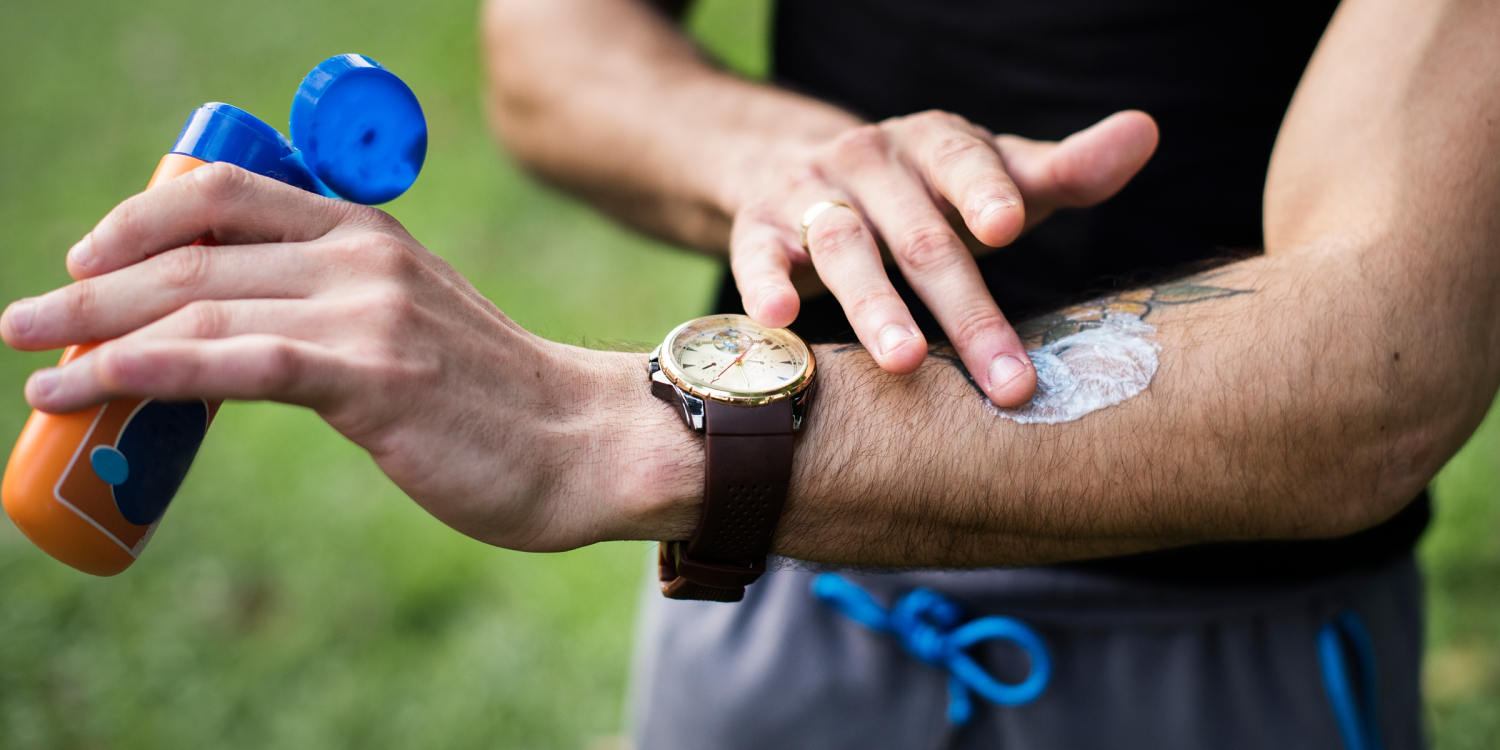
You spent hundreds of dollars, sat through hours of needles, and carefully babied your new ink through the peeling phase. Then summer hits. You hit the beach, skip the sunscreen because you "want a tan," and completely wreck your investment.
The sun is the absolute worst enemy of tattoo ink. It doesn't just fade the colors over time. It literally breaks down the pigment particles embedded in your skin, forcing your immune system to carry them away. If you think your tattoos are permanent, you're only half right. They are permanent until UV radiation decides otherwise. Meanwhile, you can explore other developments here: The Concrete Will Forget Us But the Butterflies Remember.
Understanding how solar rays interact with different ink pigments is the only way to keep your body art looking sharp for decades instead of years. Let's get into the actual science of why the sun destroys tattoos and what tattoo artists wish you would do about it.
The Science of Sun Damage on Ink
To understand what happens when sunlight hits a tattoo, you have to look at how ink sits in your skin. During the tattooing process, needles deposit pigment into the dermis. This is the second, deeper layer of skin. Your body treats tattoo ink as a foreign object. Macrophages, which are a type of white blood cell, rush to the area and swallow the ink particles to protect you. Because the pigment particles are too large for the white blood cells to digest, they get trapped there. That is why the tattoo stays visible. To explore the full picture, we recommend the excellent report by ELLE.
Sunlight emits two main types of ultraviolet radiation that penetrate your skin: UVA and UVB rays.
UVB rays are shorter wavelengths. They primarily strike the outer layer of skin, the epidermis, and cause visible sunburns. While sunburns are terrible for healing tattoos, UVA rays do the stealthy, long-term damage. UVA rays have longer wavelengths. They penetrate deep into the dermis, targeting the exact spot where your tattoo ink lives.
When UVA radiation hits trapped tattoo pigment, it acts like a microscopic jackhammer. The energy breaks down the large, stable ink particles into much smaller fragments. Once those particles are small enough, your active immune system recognizes them as waste. Your white blood cells finally grab the broken bits of pigment and carry them into your lymphatic system. They get filtered through your liver and kidneys and leave your body entirely.
Basically, the sun shrinks your ink so your body can flush it away. Your fading tattoo isn't just disappearing. You are slowly peeing it out.
Why Certain Colors Fade Faster
Not all tattoo inks react to sunlight the same way. The chemical composition of the pigment dictates how easily UV light can shatter it.
Light colors fade the fastest. Yellow, white, pink, and orange inks have lighter molecular structures. They absorb less light overall but break apart rapidly under concentrated UV exposure. White ink can turn a muddy yellow or disappear entirely within a few seasons of unprotected sun exposure.
Red ink is notorious for two reasons. It fades quickly, and it triggers more allergic reactions than any other color. The pigment often contains cadmium or iron oxide, which can become highly reactive when exposed to ultraviolet light. This can cause your tattoo to itch, swell, or develop bumps years after it healed, simply because you sat in the sun too long.
Darker colors like black, dark blue, and deep purple hold up the best against the sun. Black ink is typically made from carbon or iron oxide. These molecules are dense and highly stable. They absorb UV light without breaking apart as easily as lighter pigments.
Even black ink will suffer over time. Instead of disappearing, sun-damaged black ink usually undergoes a chemical shift. It turns a faded, dull green or a washed-out blue-gray color.
The Disastrous Mistake of Sunning a Healing Tattoo
Putting a fresh, unhealed tattoo in the sun is a recipe for scarring and infection. A new tattoo is an open wound. The epidermis has been punctured thousands of times, and the protective skin barrier is completely gone.
If you get a sunburn on a fresh tattoo, you are frying raw tissue. The UV rays stall the healing process entirely. Your body diverts its energy away from settling the ink and instead focuses on repairing the acute radiation burn. This causes severe blistering. When those blisters pop and peel, they pull chunks of ink out of the dermis with them. You will end up with patchy, faded spots and raised scar tissue.
You cannot put sunscreen on a fresh tattoo to solve this. Sunscreen chemicals or heavy mineral blockers will seep directly into the open punctures. This causes intense chemical irritation and can introduce bacteria, leading to a nasty infection.
Keep your new ink covered with loose clothing for at least four to six weeks. No exceptions. Sunscreen only becomes an option once the skin has completely finished peeling and feels completely smooth.
Choosing the Right Protection That Actually Works
Once your tattoo is fully healed, sunscreen is non-negotiable every single time you step outside. But don't just grab the cheapest bottle off the supermarket shelf.
You need a broad-spectrum sunscreen. This phrase means the formula protects against both UVA and UVB rays. Many cheap sunscreens only block UVB rays to prevent sunburn, leaving your dermis completely unprotected against the UVA rays that destroy ink.
Look for physical sunscreens, also known as mineral sunscreens, containing zinc oxide or titanium dioxide. Physical blockers sit on top of the skin like a shield and reflect UV rays away from your body. Chemical sunscreens absorb into the skin and convert UV rays into heat. While chemical formulas work fine for regular skin, mineral sunscreens offer a more reliable barrier for preserving pigment. Zinc oxide is also naturally anti-inflammatory, which helps keep tattooed skin calm.
Go for an SPF of 30 or higher. Sprays are convenient but usually applied too thinly to do any real good. Use a thick lotion and rub it in thoroughly.
Apply sunscreen 15 minutes before going outside. Reapply it every two hours, or immediately after swimming or sweating. If you can see your tattoo in the daylight, the sun is working on breaking it down.
Saving a Sun-Damaged Tattoo
If the damage is already done and your old sleeve looks like a blurry watercolor painting, you have two real options.
The first is a professional touch-up. A skilled tattoo artist can pack fresh pigment over the faded areas, redefine the black outlines, and bring the contrast back to life. Keep in mind that tattooing over scar tissue caused by sun damage is much harder than tattooing healthy skin. It hurts more, and the ink may not take as evenly.
The second option is laser tattoo removal. Ironically, laser removal works exactly like the sun, just at lightning speed. The laser fires intense pulses of light energy into the dermis to shatter the ink particles so your immune system can flush them away. If your tattoo is badly faded and blurry, laser sessions can clear the canvas so you can get a high-quality cover-up.
Stop thinking of sun care as an optional chore. Treat your skin like the expensive, custom canvas that it is. Cover up with dark, tightly woven clothing when the UV index is high. Buy a high-quality mineral sunscreen and keep it in your car or bag. Slather it on your ink before you walk out the door. Taking 30 seconds to protect your tattoos today saves you thousands of dollars in touch-ups and laser removals down the road.