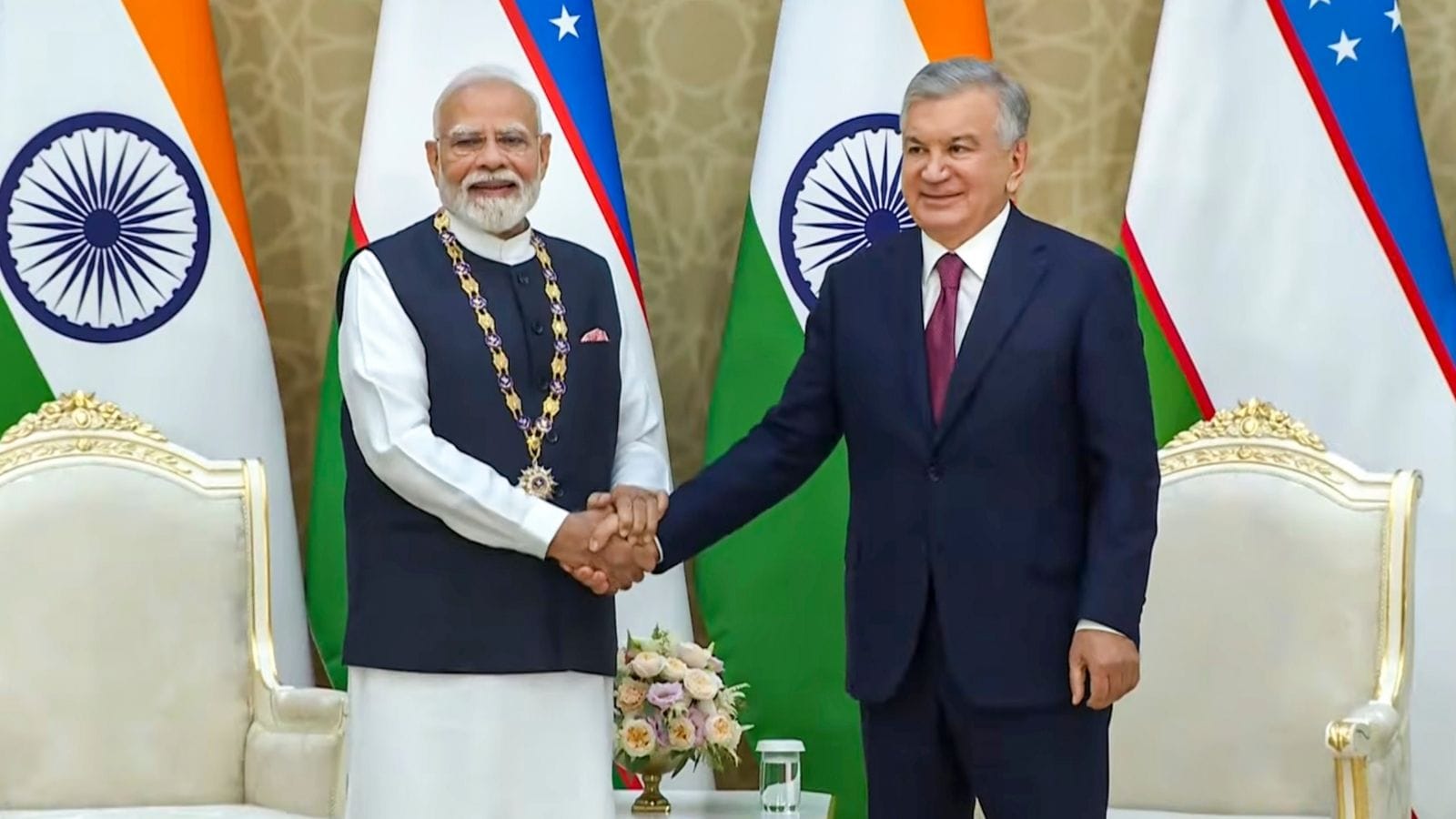
Bilateral state integration functions less through diplomatic declarations and more through the alignment of logistical corridors, energy dependencies, and security frameworks. When New Delhi and Tashkent elevate their diplomatic architecture to a comprehensive strategic partnership, the transition represents a calculated response to Central Asian supply chain bottlenecks and Eurasian security dynamics. Observers often misread these agreements as symbolic gestures. In practice, they establish binding parameters for trade corridors, counter-terrorism intelligence sharing, and industrial co-production.
To understand why this diplomatic upgrade matters, examine the structural constraints facing landlocked Central Asian states. Uzbekistan possesses significant mineral wealth, including gold, uranium, and copper, alongside a growing manufacturing base. However, its export potential hits an immediate geographical ceiling due to its double-landlocked status. Every ton of cargo leaving Tashkent must cross at least two international borders to reach a maritime port. India, conversely, faces its own maritime and continental routing limitations, chief among them being the restricted direct access to Central Asian markets via Pakistan.
The strategic partnership directly addresses this friction by operationalizing alternative transit networks. The International North South Transport Corridor and the utilization of Iran's Chabahar Port serve as the primary logistical backbones for this integration. By routing goods through Iranian infrastructure, Indian and Uzbek state enterprises bypass traditional transit choke points. This logistical bypass alters the cost function of bilateral trade, reducing transit times and lowering the landed cost of capital goods and raw materials.
The Mechanics of Trade Diversification and Industrial Output
Bilateral commerce between India and Uzbekistan has historically suffered from low volume relative to the economic size of both nations. The structural limitation stems from a mismatch in export profiles and a lack of direct financial settlement mechanisms. Traditional trade relies on third-country currencies and intermediaries, which introduces transaction friction and currency risk.
To overcome this, the updated partnership framework targets specific high-value sectors: pharmaceuticals, information technology, agriculture, and defense manufacturing. Uzbekistan imports a substantial share of its pharmaceutical products. Indian manufacturers, possessing established generic drug pipelines, are positioning themselves to capture larger market shares not merely as exporters, but through localized production facilities within Uzbek special economic zones. This foreign direct investment model insulates Uzbek healthcare supply chains from external shocks while securing long-term market access for Indian firms.
Simultaneously, agricultural trade operates under phytosanitary harmonization protocols. Agricultural integration requires standardized regulatory frameworks to reduce border clearance delays. The current bilateral mechanisms focus on streamlining customs procedures, implementing electronic data interchange, and establishing mutual recognition of product standards. These operational adjustments remove non-tariff barriers that previously rendered small and medium enterprise trade economically unviable.
Energy Security and Resource Extraction Dependencies
Energy forms the bedrock of the Uzbekistan economy, driven by natural gas extraction, hydroelectric generation, and vast uranium reserves. For New Delhi, securing long-term uranium supply contracts is an operational priority to fuel its expanding civil nuclear energy program. Uzbekistan ranks among the world's leading producers of uranium concentrates. Bilateral state-level agreements between nuclear authorities establish predictable procurement schedules, insulating the supply chain from volatile spot market pricing.
Beyond uranium, the partnership facilitates cooperation in renewable energy infrastructure. Uzbek state entities are actively upgrading their power grids to incorporate solar and wind capacities. Indian engineering, procurement, and construction firms possess the technical competence and cost-competitive execution capabilities required to scale these capital-intensive infrastructure projects. The transfer of technical expertise is balanced against the secure acquisition of critical raw materials, creating a reciprocal dependency model.
Defense Cooperation and Regional Security Architecture
Regional security in Central Asia remains volatile, primarily driven by instability along the northern Afghan border. Both India and Uzbekistan share a strategic interest in containing radical militant networks and preventing the proliferation of transnational asymmetric threats. Intelligence sharing forms the least visible yet most critical component of the upgraded partnership.
Military-to-military engagement has expanded beyond joint counter-terrorism exercises to include specialized training programs, military-technical cooperation, and defense equipment maintenance. Uzbekistan operates Soviet-origin military hardware that requires regular overhauls, component upgrades, and technical modernization. Indian defense enterprises, having developed extensive capabilities in retrofitting and maintaining legacy Soviet platforms, provide a cost-effective alternative to traditional suppliers. This defense industrial cooperation deepens strategic trust and anchors Tashkent’s security posture within a diversified international framework.
Financial Settlement Mechanisms and Institutional Frameworks
Economic integration stalls without robust financial plumbing. Traditional correspondent banking channels between India and Uzbekistan remain underdeveloped, forcing commercial transactions through expensive Western intermediaries. The strategic partnership necessitates the establishment of alternative settlement mechanisms, including bilateral trade in local currencies or dedicated rupee-som clearing arrangements.
These financial conduits mitigate exposure to third-party sanctions and foreign exchange volatility. When commercial banks from both nations establish direct correspondent accounts, the cost of capital for cross-border investments drops significantly. Joint ventures in textiles, chemical processing, and automotive components can secure financing without relying exclusively on hard currency reserves, which are often constrained in developing economies.
Implementation Bottlenecks and Strategic Limitations
Despite the comprehensive nature of the agreement, several operational hurdles threaten the execution of these strategic goals. Bureaucratic inertia within state ministries often delays the implementation of signed memorandums of understanding. Regulatory harmonization between federal agencies in New Delhi and centralized ministries in Tashkent requires continuous high-level monitoring.
Furthermore, physical infrastructure along the Chabahar-Milak-Zaranj route requires ongoing capital investment and political stability in transit countries. Any disruption in regional transit security immediately impacts the economic viability of the corridor.
The success of the comprehensive strategic partnership depends entirely on execution speed. State actors must transition from high-level diplomatic commitments to operationalizing private sector participation, enforcing intellectual property protections, and maintaining predictable customs regimes. The framework provides the legal and political architecture; the economic outcome relies on corporate capital deployment and logistical efficiency.