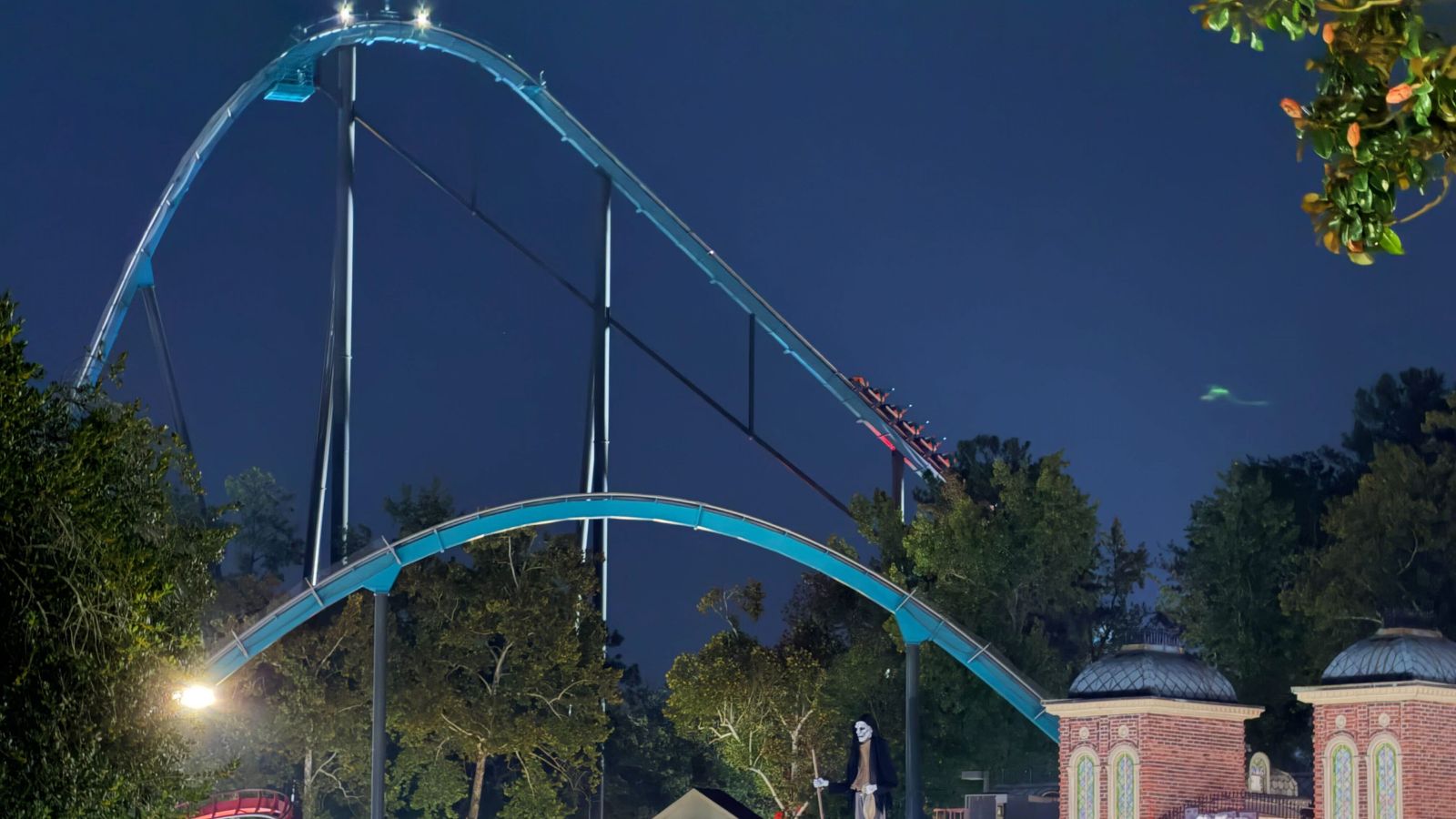
Amusement park safety incidents are rarely singular failures of fate. Instead, they represent the catastrophic convergence of latent system vulnerabilities, operational drift, and oversight gaps within high-consequence kinetic environments. When a fatal accident occurs on a roller coaster, public discourse typically fixates on the immediate mechanical anomaly or human error. However, a rigorous engineering and operational audit reveals that high-energy ride systems operate under complex risk profiles where safety margins are continually tested by wear, maintenance cycles, and dynamic loads. Deconstructing these incidents requires moving past sensationalized reporting to examine the structural mechanics of risk management, failure modes, and the economic pressures that govern high-throughput entertainment facilities.
The Operational Risk Architecture of High-Velocity Attractions
Modern steel roller coasters are complex integration systems combining structural engineering, advanced electronics, pneumatic controls, and continuous mechanical stress. The safety architecture of these systems rests on redundancy and fault tolerance. Yet, every operational system possesses a boundary condition where component fatigue, environmental factors, or procedural shortcuts erode safety buffers.
To evaluate how an incident occurs within this architecture, analysts must examine three core components:
- Kinetic Energy Dissipation and Restraint Integrity: High-speed transit systems rely on absolute restraint containment under high centrifugal and lateral G-forces. The failure of a restraint mechanism is almost exclusively preceded by a chain of unaddressed micro-failures, ranging from sensor calibration drift to material fatigue in locking pins or hydraulic cylinders.
- Maintenance Interval Economics: The frequency and depth of non-destructive testing (NDT) on structural welds, track alignments, and chassis components dictate the reliability horizon. Facilities balance operational uptime against maintenance downtime, creating an inherent tension between revenue generation and safety assurance.
- Procedural Compliance and Human Factors: Automated control systems mitigate many operator errors, but dispatch protocols, manual visual checks, and rider screening remain vulnerable to cognitive fatigue, high-pressure turnaround targets, and training deficiencies.
The Failure Chain Analysis
A critical accident on a high-consequence ride is rarely caused by a single point of failure. Safety engineering relies on the Swiss Cheese Model of accidents, where multiple layers of defense stand between normal operations and catastrophe. An incident occurs only when holes in these defenses align.
The primary structural layers of defense in amusement park operations include:
- Engineering Design and Prototyping: Stress modeling, dynamic simulation, and certification by independent bodies (such as ASTM International or TÜV). Vulnerabilities here stem from underestimating long-term operational wear or dynamic load variations caused by environmental corrosion or variable passenger loads.
- Daily Pre-Opening Diagnostics: Mechanical sweeps, sensor verification loops, and test runs. The efficacy of this layer depends heavily on technician thoroughness and the clarity of fault-reporting protocols. When minor sensor anomalies are repeatedly overridden rather than investigated, the system enters a degraded safety state.
- Active Control Systems: Programmable Logic Controllers (PLCs) and block-zone safety systems designed to halt trains if parameters deviate from nominal values. If a PLC fails to register a physical reality—such as an unlatched restraint or obstructed track—the automated safety net is compromised.
- Operator Verification: Visual and physical checks performed by ride attendants. This layer is statistically the most vulnerable due to high turnover, repetitive tasks, and cognitive habituation under time pressure.
When these layers fail sequentially, a catastrophic outcome becomes statistically probable rather than merely possible.
Regulatory Fragmentation and Oversight Variances
The governance of amusement park safety is characterized by significant jurisdictional fragmentation. Unlike commercial aviation or civil engineering, which operate under strict federal or international harmonization, amusement ride regulation varies dramatically by geography.
- State and Local Jurisdictions: In many regions, regulatory oversight falls to state departments of labor or agriculture, leading to widely disparate inspection standards, reporting mandates, and enforcement mechanisms.
- Independent Third-Party Audits: Facilities often rely on private inspection agencies. While these agencies bring technical expertise, the commercial relationship between the park (the client) and the inspector introduces subtle economic incentives that can influence the rigor of structural audits.
- Standardization Gaps: While standards bodies provide guidelines for design and maintenance, compliance is frequently voluntary or tied to local statutory adoption, creating loopholes where aging legacy rides operate under outdated safety frameworks.
The Economic Cost Function of Safety Management
Safety in high-throughput entertainment is an economic variable as much as an engineering imperative. The cost function of ride management can be expressed as an ongoing trade-off between capital expenditure on predictive maintenance and the catastrophic financial liabilities associated with failure.
When parks face economic headwinds or intense seasonal pressures, the temptation to optimize for throughput over maintenance duration increases. This shift alters the system's risk profile.
- Deferred Maintenance Costs: Extending the lifespan of mechanical components beyond recommended manufacturer thresholds saves immediate capital but exponentially increases the probability of fatigue-induced structural failure.
- Staffing and Training Investment: High turnover rates among seasonal ride operators reduce overall operational vigilance. Underinvesting in comprehensive training programs directly increases the likelihood of human error during critical pre-dispatch safety checks.
- Reputational and Legal Liabilities: While catastrophic incidents trigger severe short-term financial penalties and brand erosion, the long-term economic model of the industry relies on public risk-mitigation trust, which is rapidly restored through visible, systemic overhauls of safety protocols.
Systemic Optimization and Future Risk Mitigation
Preventing future incidents requires a structural shift from reactive compliance to proactive, data-driven reliability engineering. The industry must modernize its risk management framework by integrating several key methodologies:
- Continuous Structural Health Monitoring (SHM): Deploying acoustic emission sensors, fiber-optic strain gauges, and automated crack-detection systems on high-stress track sections and ride vehicles to catch micro-failures before they propagate.
- Standardized Global Telemetry: Establishing centralized, anonymized incident and anomaly reporting databases across major operators to identify systemic design vulnerabilities across different manufacturers.
- Zero-Tolerance Operational Overrides: Eliminating manual operator overrides for safety-critical sensors and restraints, ensuring that any sensor fault forces an immediate system lockdown until physical verification is completed by certified engineering personnel.
The safety of high-velocity transit attractions depends entirely on acknowledging that mechanical systems degrade under stress and human operators err under pressure. Eliminating catastrophic risk requires engineering systems that are resilient not just to expected operations, but to the inevitable accumulation of operational wear and human oversight lapses.


