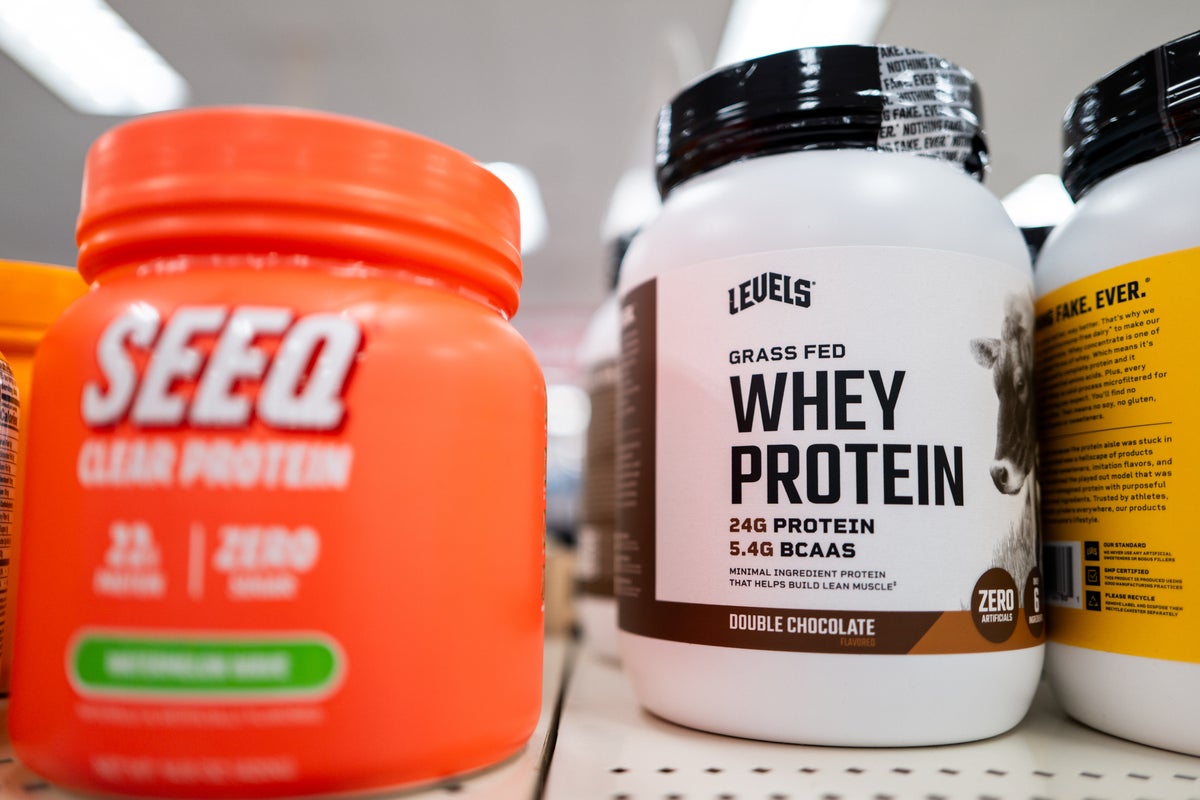
The simultaneous acceleration of glucagon-like peptide-1 receptor agonist adoption and extreme protein fortification represents a structural realignment of the consumer packaged goods market. Analysts treating these two trends as isolated consumer preferences misread the underlying biochemical and economic forces. Appetite-suppressing medications alter caloric intake volumes downward, while the cultural imperative for protein-maxxing attempts to preserve lean muscle mass during rapid weight loss. This intersection creates a distinct operational environment for food manufacturers, ingredient suppliers, and healthcare providers. Understanding the vector of this shift requires examining the physiological constraints of pharmacologically induced weight loss, the formulation challenges of nutrient-dense delivery, and the macroeconomic reallocation of grocery spending.
The Physiological Mechanics Of Satiety And Muscle Retention
When a patient injects a semaglutide or tirzepatide compound, the primary mechanism of action involves mimicking endogenous GLP-1 to stimulate insulin secretion, delay gastric emptying, and signal satiety centers in the hypothalamus. Total daily energy expenditure remains active, but caloric intake plummets. This creates an energy deficit that forces the body to mobilize stored energy. Without adequate nutritional intervention, the body catabolizes both adipose tissue and skeletal muscle. Clinical data across major trials indicate that approximately 20 to 40 percent of total weight loss via GLP-1 therapy can originate from lean mass rather than fat mass.
This compositional degradation of weight loss introduces metabolic liabilities. Muscle tissue acts as the primary sink for glucose disposal and maintains basal metabolic rate. Losing lean mass accelerates the risk of metabolic slowdown, sarcopenic obesity upon cessation of the drug, and functional decline. The biological necessity to counteract muscle catabolism drives the consumer toward hyper-concentrated protein sources. Because the physical capacity of the stomach is heavily constrained by delayed gastric emptying, individuals cannot consume large volumes of whole foods to hit daily amino acid thresholds. The clinical constraint forces an architectural shift in dietary intake: maximum protein density per unit volume.
The Formulation Crisis In Consumer Packaged Goods
Food science teams face an acute optimization problem when designing products for a consumer base operating on suppressed appetite and altered taste perception. Traditional food engineering relied on high carbohydrate matrices, refined sugars, and fats to drive palatability and volume. These attributes run counter to the demands of the modern weight-loss demographic.
- Volume Constraint: Products must deliver high protein payloads in micro-portions, as large physical servings trigger physical discomfort or early satiety in GLP-1 users.
- Organoleptic Stability: Concentrated protein isolates, particularly whey and dense plant variants, introduce chalky textures, bitter off-notes, and moisture-absorbing properties that ruin shelf stability.
- Glycemic Index Control: Because these consumers often monitor metabolic markers closely, formulations must avoid insulin spikes that counteract the metabolic benefits of their medication.
Formulators must deploy advanced encapsulation technologies, enzymatic hydrolysis of proteins to reduce molecular weight and viscosity, and novel sweetening architectures to mask the inherent astringency of high-load protein additives. Companies failing to re-engineer their product pipelines for low-volume, high-nutrient density face rapid obsolescence among affluent consumer segments who represent the primary demographic for branded weight-loss pharmaceuticals.
The Economic Reallocation Of The Grocery Basket
The aggregate financial impact of GLP-1 medications extends far beyond pharmaceutical ledgers into retail grocery economics. Aggregate food consumption data demonstrate a measurable contraction in unit sales for high-calorie, ultra-processed snack foods, carbonated beverages, and bulk carbohydrates. Conversely, spending concentrates heavily on premium proteins, specialized supplements, and clean-label functional foods.
Supermarket category management is undergoing a forced migration. Shelf space historically dedicated to impulse-buy confectionery is being converted to ready-to-drink protein shakes, single-serve bone broths, and fortified dairy alternatives. This shift penalizes legacy conglomerates dependent on high-margin, shelf-stable junk foods while rewarding agile brands capable of pivoting supply chains toward functional health items.
The economic model shifts from volume-based consumption to value-based consumption. Consumers buy fewer total items, but allocate higher unit prices to items carrying explicit functional claims regarding muscle preservation and metabolic health. This bifurcation splits the grocery market into two distinct operating tiers: a shrinking commoditized volume tier and a growing specialized margin tier.
Strategic Supply Chain Vulnerabilities
The hyper-focus on concentrated protein creates upstream supply chain fragilities that extend across global agricultural markets. Whey protein isolate, micellar casein, specialized collagen peptides, and high-purity plant extractions depend on complex dairy and agricultural inputs. As aggregate demand outpaces baseline agricultural output, input cost volatility surges.
Dairy processors face allocation dilemmas between cheese production, standard whey processing, and ultra-filtered isolate refinement. Agricultural producers of yellow peas, soybeans, and alternative crops must optimize for protein concentration rather than total agricultural yield. This introduces capital expenditure requirements for processing facilities equipped with membrane filtration and ion-exchange systems. Companies without diversified sourcing strategies face margin compression when commodity input spikes coincide with promotional pricing pressures from dominant grocery retailers.
The Long-Term Equilibrium Of Nutritional Compliance
Pharmacological appetite suppression does not eliminate the biological requirement for proper nutrition; it merely alters the behavioral mechanics of eating. As millions of patients maintain long-term regimens on incretin mimetics, the cultural normalization of nutritional tracking becomes entrenched. The transient fitness trend of protein-maxxing is hardening into a permanent structural baseline for food product design.
The ultimate test for market participants lies in bridging the gap between pharmaceutical intervention and sustainable nutritional habits. Manufacturers that successfully marry clinical validation with palatable, micro-dose nutritional products will capture dominant market share.
Deploy capital into clean-label, hydrolyzed protein ingredient platforms capable of integration into low-volume formats, and divest from legacy high-carbohydrate product lines facing permanent structural volume erosion from pharmaceutical appetite suppression.