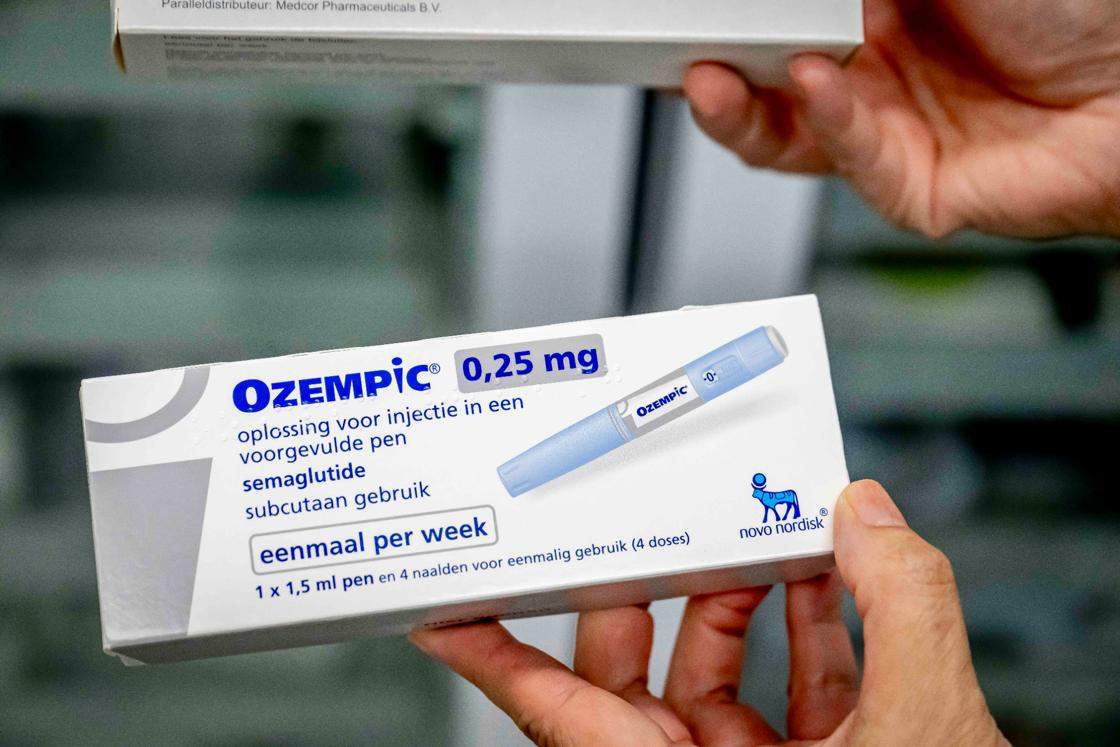
Novo Nordisk’s decision to adjust the list price of Ozempic (semaglutide) represents a calculated retreat from a high-margin premium position to an entrenched volume-protection stance. This maneuver is not a philanthropic gesture but a response to the "Patent Cliff Paradox," where a dominant incumbent must cannibalize its own pricing power to prevent total market-share erosion by impending biosimilars and generic alternatives. By preemptively aligning prices, Novo Nordisk is attempting to neutralize the primary incentive for pharmacy benefit managers (PBMs) and health systems to switch to competitors.
The Tri-Factor Pressure Model
The pricing shift is dictated by three converging structural pressures that have rendered the previous high-cost model unsustainable.
- Legislative Compression: The Inflation Reduction Act (IRA) in the United States has introduced Medicare price negotiations. Semaglutide, as a high-spend drug for the federal government, sits at the top of the target list. Preemptive price reductions allow Novo Nordisk to anchor the baseline for these negotiations, potentially avoiding the more aggressive "Maximum Fair Price" (MFP) mandates that would be imposed through direct federal intervention.
- The Supply-Demand Equilibrium Shift: As manufacturing capacity expands—driven by the massive capital expenditure in fill-finish facilities—the scarcity that once justified a premium price is evaporating. When supply constraints vanish, the competitive differentiator shifts from "availability" to "access."
- Generic Entry Proximity: The looming expiration of specific semaglutide patents forces a strategic pivot. A dominant player often uses a "bridge strategy," lowering prices on the branded product to match the expected entry price of generics, thereby retaining the formulary position and reducing the friction of physician and patient switching.
Deconstructing the Net Price vs. List Price Gap
To understand the Ozempic price reduction, one must isolate the "Gross-to-Net" (GTN) bubble. In the American pharmaceutical ecosystem, the list price (Wholesale Acquisition Cost, or WAC) is a public-facing figure that rarely reflects the actual cash flow.
The true economics are governed by the Net Price, which equals $WAC - (Rebates + Administrative Fees + Chargebacks)$.
Novo Nordisk's price slash is a tactical transparency move. By lowering the WAC, the company reduces the absolute dollar value of the rebates paid to PBMs while maintaining or slightly improving the net price. This creates a dual benefit: it lowers the out-of-pocket costs for patients in the deductible phase of their insurance—increasing adherence—while simultaneously pressuring PBMs who rely on high-list/high-rebate models to justify their fees.
The Adherence Coefficient
Patient adherence is the silent driver of long-term revenue in the GLP-1 category. High out-of-pocket costs lead to "prescription abandonment." If a patient stops treatment because they cannot afford the co-insurance based on a $1,300 list price, the manufacturer loses the lifetime value (LTV) of that patient. By reducing the list price to "align" with generics, Novo Nordisk is essentially lowering the barrier to entry for the long-tail consumer, ensuring that the patient remains within the Novo ecosystem before they ever consider an Eli Lilly alternative or a compounded semaglutide solution.
The Threat of Compounded Alternatives and Regulatory Arbitrage
The surge in compounded semaglutide has exposed a massive vulnerability in the branded market. Compounding pharmacies have exploited the FDA’s "Shortage List" status to produce unbranded versions of the molecule at a fraction of the cost.
- The Regulatory Trigger: Once a drug is no longer on the official shortage list, the legal protections for compounding pharmacies diminish.
- The Pricing Trigger: By lowering the price of Ozempic, Novo Nordisk removes the economic incentive for patients to seek out compounded versions, which often carry higher risks regarding sterility and dosing accuracy.
This is a defensive moat-building exercise. The goal is to make the price differential between a "certified branded product" and a "compounded alternative" negligible enough that the risk-averse consumer will opt for the brand.
Vertical Integration and Channel Control
The strategy also reflects a shift toward direct-to-consumer (DTC) pharmacy models. By controlling the price more tightly, Novo Nordisk can bypass traditional wholesale friction. We are seeing the rise of manufacturer-led digital health platforms (similar to LillyDirect) where the pricing is transparent and the "middleman markup" is minimized.
This creates a Value-Based Contract (VBC) Framework. If Novo Nordisk can prove that semaglutide reduces long-term cardiovascular events and kidney failure—which the SELECT trial data suggests—they can negotiate prices based on "total cost of care" rather than "cost per pen." A lower list price makes these value-based conversations easier to initiate with large employers who are currently struggling with the "GLP-1 Weight" on their balance sheets.
The Opportunity Cost of Stagnation
The risk of maintaining a high price point is the "substitution effect." In economics, as the price of Good A remains high while Good B (a competitor or generic) drops, the rational consumer switches. For Novo Nordisk, the "Good B" is not just Zepbound (tirzepatide), but the entire upcoming wave of oral GLP-1s and next-generation peptide combinations.
The second limitation of the current high-price model is political optics. The "reputational tax" paid by pharmaceutical companies during congressional hearings is a tangible drag on stock valuation. Price alignment serves as a PR "release valve," allowing the company to frame a mandatory economic adjustment as a voluntary commitment to health equity.
The Strategic Playbook for the Next 24 Months
To maintain dominance in the GLP-1 space, the transition from a "blockbuster drug" to a "managed commodity" must be executed with surgical precision.
First, the company must accelerate the conversion of the Ozempic patient base over to Wegovy (for obesity) and eventually to CagriSema (the combination of semaglutide and cagrilintide). This creates a tiered pricing architecture:
- Tier 1 (Legacy): Ozempic/Generic Semaglutide at a low-cost, high-volume price point.
- Tier 2 (Premium): Next-gen combinations that offer superior weight loss or secondary health benefits, priced at the original premium levels.
Second, Novo Nordisk must secure "exclusive formulary status" by leveraging the new, lower list price. They should offer PBMs a deal: in exchange for the lower list price and stable rebates, the PBM must move all competitors to "non-preferred" status. This locks out Eli Lilly and any third-party generic entrants for the duration of the contract cycle.
The final strategic move is the aggressive pursuit of "Indication Expansion." By proving semaglutide's efficacy in treating Sleep Apnea, MASH (liver disease), and Alzheimer’s, Novo Nordisk transforms the drug from a "lifestyle medication" into a "foundational metabolic therapy." At a lower price point, the cost-benefit analysis for insurers to cover these new indications becomes overwhelmingly positive.
The era of the $1,000 GLP-1 pen is ending. The era of the $400 foundational metabolic utility has begun. The companies that survive this transition are those that stop selling a molecule and start managing a population's long-term health outcomes.