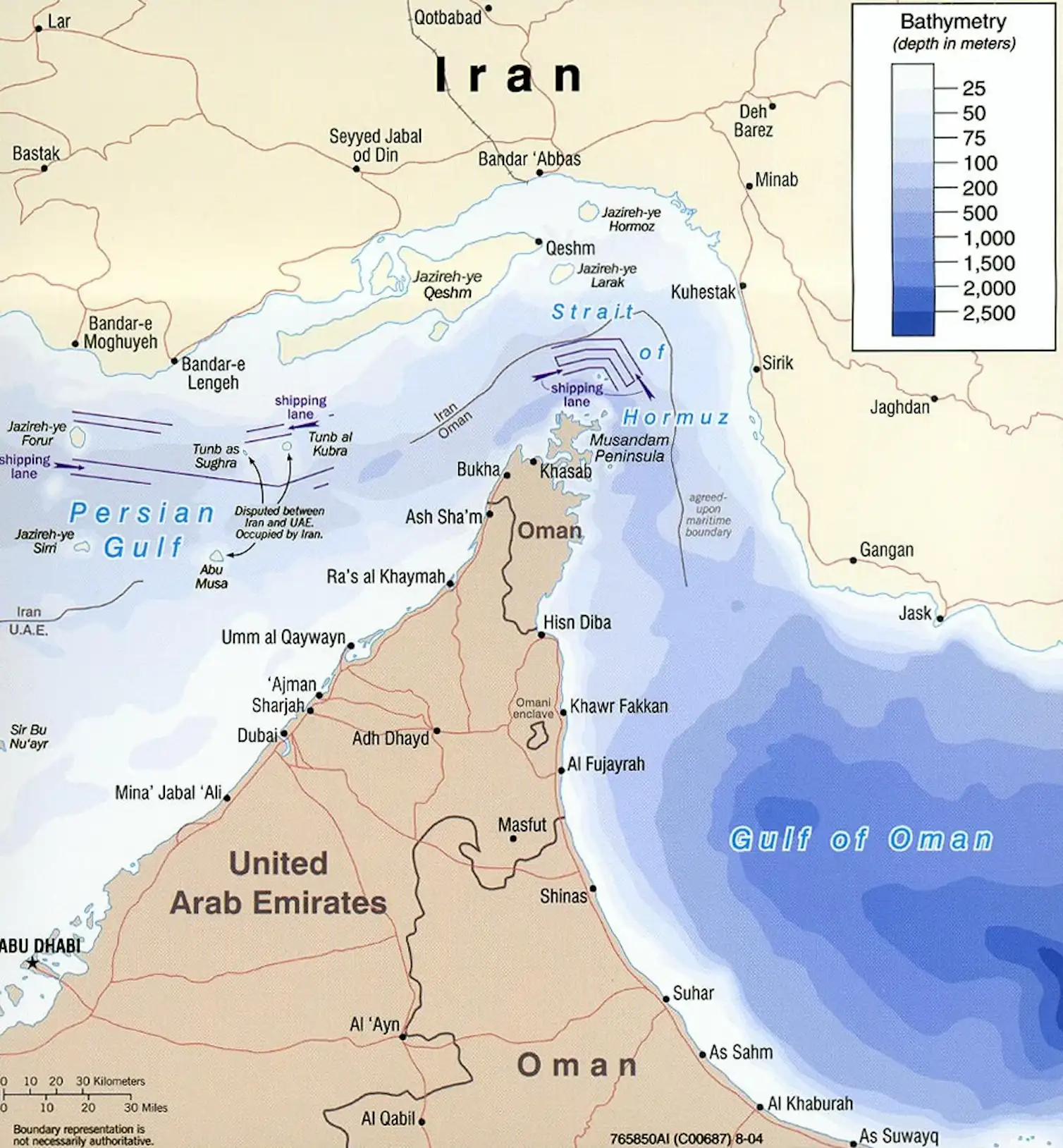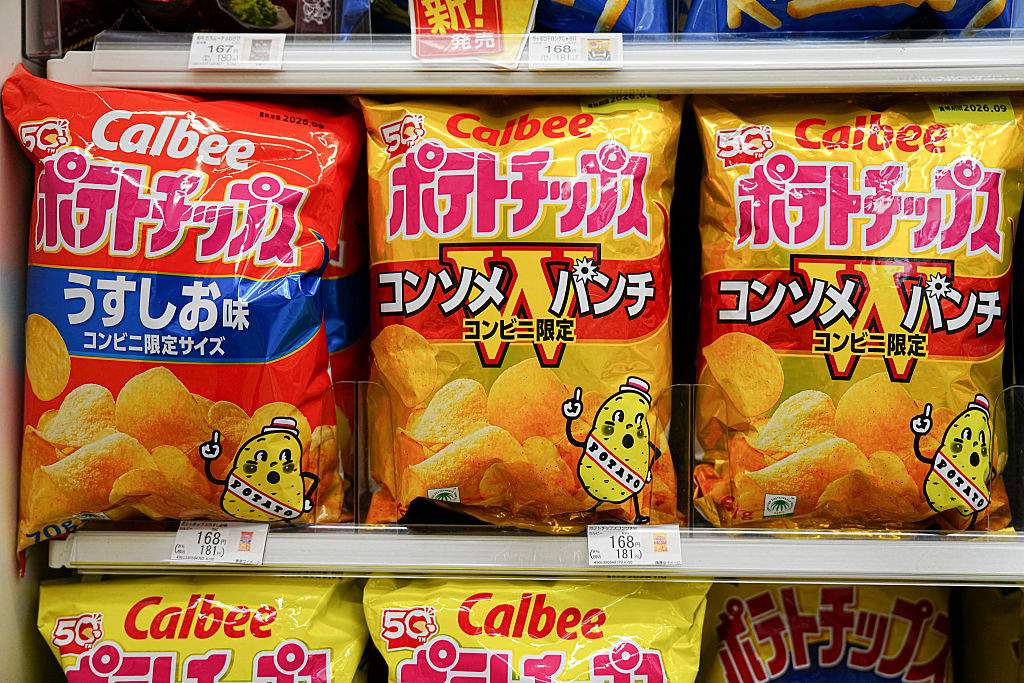
The decision by a dominant Japanese snack manufacturer to strip color from its packaging in response to the escalation of conflict involving Iran is not a marketing gimmick; it is a clinical exercise in Operational De-risking. When geopolitical volatility disrupts the Strait of Hormuz or triggers sweeping sanctions, the resulting impact on global supply chains forces firms to choose between cost-absorbtion and radical simplification. By shifting to monochrome or "raw" packaging, the firm is addressing a specific Cost Function of Instability that links ink chemistry, logistical lead times, and petroleum-based polymer costs.
The Triad of Packaging Vulnerability
Standard multi-color consumer packaging relies on a complex global network that fails almost immediately during regional warfare. The shift to monochrome addresses three specific vulnerabilities that traditional analysis often overlooks.
1. Chemical Feedstock Dependency
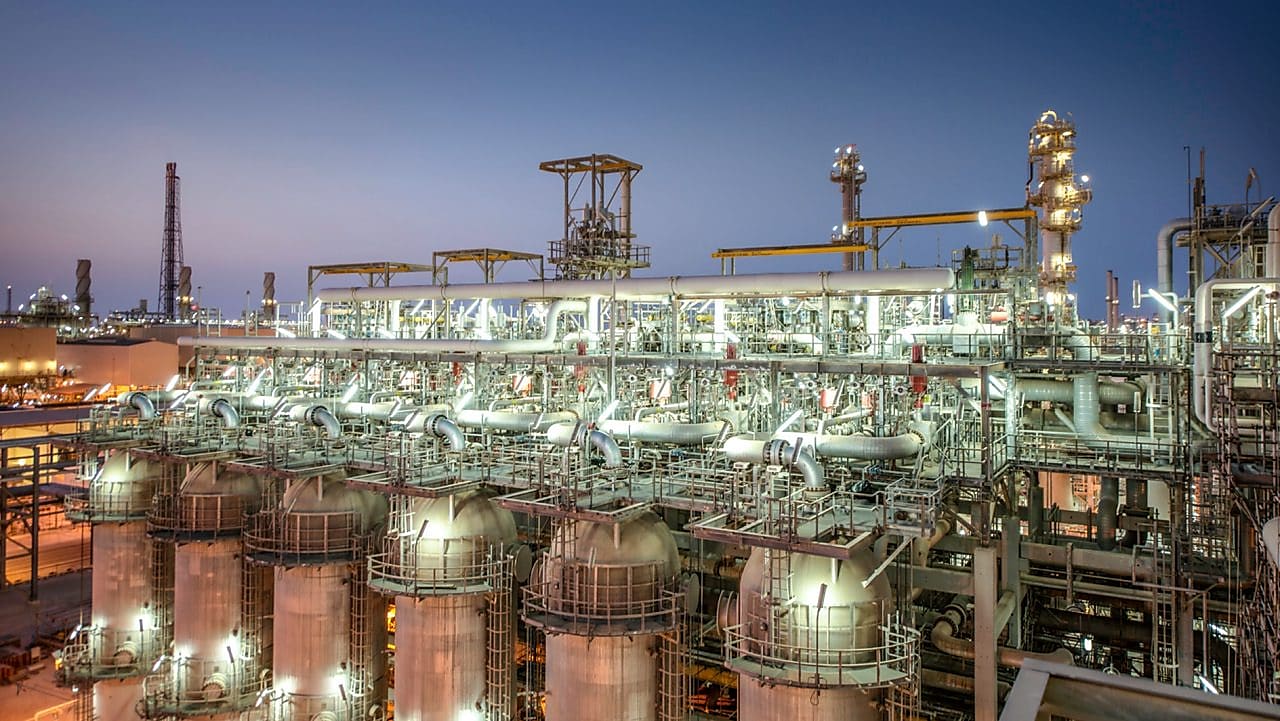
Modern high-fidelity printing requires specific pigments and solvents derived from petroleum refining and specialized chemical manufacturing. Iran’s role as a major oil producer and a regional gatekeeper of maritime trade means that any threat to the Persian Gulf directly restricts the supply of the naphtha-based precursors used in synthetic dyes. When the price of crude oil spikes, the marginal cost of producing a 7-color CMYK+ (Cyan, Magenta, Yellow, Black, plus spot colors) package increases non-linearly. By reducing the requirement to a single black ink, the manufacturer collapses its chemical dependency from a dozen variables to one.
2. The Lead-Time Bottleneck
Multi-color printing requires sophisticated plate-making and multi-pass drying processes. In a stable economy, these are managed via Just-In-Time (JIT) inventory systems. However, war-driven shipping delays—caused by re-routing vessels around the Cape of Good Hope or increased insurance premiums in the Gulf—render JIT systems obsolete. Monochrome printing allows for Late-Stage Differentiation. The firm can maintain a massive stockpile of generic, undifferentiated film or cardboard and print the essential data locally and rapidly. This reduces the "Frozen Period" in the supply chain, where capital is locked into specific, labeled inventory that cannot be easily diverted to other markets if a specific trade route closes.
3. Energy Intensity of Visual Fidelity
The process of applying multiple layers of ink and protective UV coatings is energy-intensive. As conflict in the Middle East drives up Liquefied Natural Gas (LNG) and electricity prices—particularly in energy-importing nations like Japan—the factory floor becomes a liability. A monochrome process requires fewer drying cycles and less machinery uptime. This is a direct play for Margin Preservation through reduced kilowatt-hour consumption per unit produced.
Logistical Arbitrage and the Monochrome Pivot
In a high-inflation environment exacerbated by war, packaging typically accounts for 10% to 15% of the total Cost of Goods Sold (COGS) for shelf-stable snacks. The transition to a monochrome aesthetic functions as a form of Logistical Arbitrage. The brand is essentially trading brand equity (visual "pop" on the shelf) for a lowered "break-even" point.
This strategy assumes that consumer psychology will interpret the lack of color not as a budget cut, but as a "War Edition" or a "Solidarity Aesthetic." This is a calculated risk. The firm is betting that the utility of the product (the snack itself) outweighs the brand's visual identity. If the conflict persists, this move prevents the firm from having to pass the full brunt of increased ink and shipping costs onto a price-sensitive consumer base.
The Mechanism of Material Substitution
Beyond the ink, monochrome transitions often accompany a shift in the substrate material itself. High-gloss, multi-layered plastic laminates are difficult to recycle and require specific bonding agents that are often manufactured in specialized hubs sensitive to trade disruptions. Moving to a simplified, single-layer or paper-based monochrome package allows the firm to:
- Broaden the Supplier Base: Simple materials can be sourced from a wider array of local vendors, bypassing international maritime chokepoints.
- Reduce Regulatory Friction: As governments tighten environmental standards during energy crises, simplified packaging often bypasses "green taxes" that apply to complex, multi-material laminates.
Quantifying the "War Tax" on Branding
Every color added to a package represents a layer of "Geopolitical Beta"—a measure of how much a brand’s cost structure fluctuates in relation to global instability. A brand with a vibrant, 8-color foil package has high Geopolitical Beta. A brand with a brown kraft paper exterior and black thermal printing has near-zero Beta.
The Japanese snack brand is effectively "hedging" its packaging. In financial terms, they have moved from a volatile variable cost (multi-color global sourcing) to a fixed, predictable cost (local monochrome production). This is particularly critical in the Japanese market, where "shrinkflation"—reducing product size while keeping the price constant—has reached its psychological limit. When you can no longer shrink the cracker, you must strip the box.
Behavioral Economics of the Monochrome Shelf
The "Signaling Effect" of this change cannot be ignored. In a saturated market, a stark, black-and-white product stands out precisely because it lacks the "noise" of its competitors. This creates a Scarcity Heuristic. Consumers perceive the product as being more "authentic" or "essential" during a time of global crisis. The brand leverages the war not by taking a political stance, but by adopting a "survivalist" aesthetic that aligns with the consumer’s own anxieties.
Structural Constraints and Execution Risks
While the strategy is sound from a cost-accounting perspective, it faces significant execution hurdles. The first limitation is Counterfeit Vulnerability. Complex, multi-colored packaging with holograms or specialized foils acts as a barrier to entry for counterfeiters. By simplifying to monochrome, the brand lowers the "Moat" protecting its intellectual property. In regional markets where trademark enforcement is weak, this could lead to a surge in imitation goods.
The second bottleneck is Brand Erosion. Long-term exposure to "Austerity Packaging" can decouple the consumer's emotional connection to the brand. If the Iran conflict resolves and the brand remains monochrome for too long, it risks being perceived as a "generic" or "value" tier product, making it difficult to justify a return to premium pricing in the future.
Strategic Forecast for the Consumer Packaged Goods (CPG) Sector
The move by this Japanese firm is a lead indicator for a broader trend of Industrial De-Glocalization. As the risk of regional wars involving major energy and chemical hubs increases, we will see a shift toward "Functional Minimalism."
- Standardization over Customization: Large conglomerates will move toward universal packaging templates that can be printed locally with minimal variations, reducing the need for specialized international shipments.
- The Rise of "Ghost Brands": Companies may launch monochrome sub-brands specifically designed for high-volatility regions, preserving the main brand's "colorful" equity in stable markets while capturing volume in disrupted ones.
- Digital Overlay Integration: To compensate for the lack of visual information on the box, brands will integrate QR codes or AR triggers. This moves the "Marketing Cost" from the physical (ink and plastic) to the digital (pixels), which are unaffected by the closure of the Strait of Hormuz.
The immediate tactical move for competitors is to audit their own Pigment Dependency. Any firm relying on a specific, non-standard color (like a signature "brand blue" or "metallic gold") that requires specialized precursors from the Middle East or China is currently over-exposed. Success in a period of geopolitical fragmentation requires a "Modular Brand Identity" that can survive being stripped down to its barest, monochrome essentials without losing its market position. The goal is no longer to have the brightest box on the shelf, but to ensure there is a box on the shelf at all.