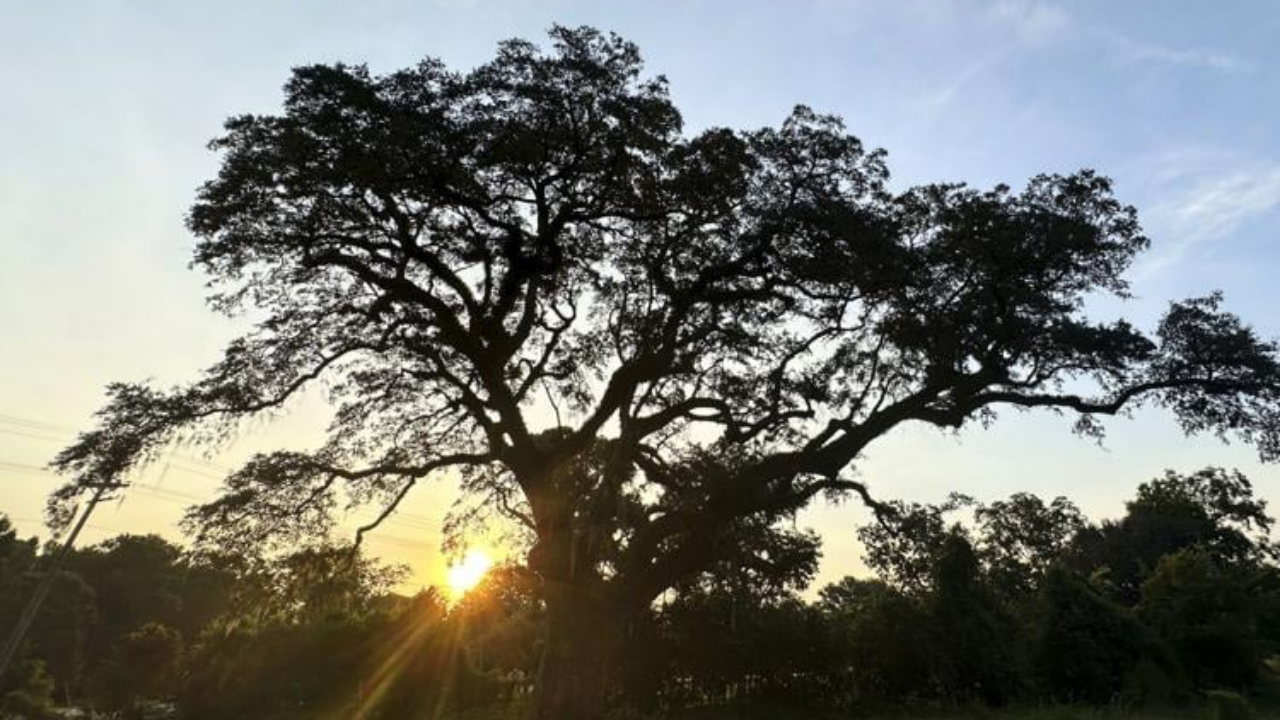
We have a bizarre obsession with wooden props. Every anniversary of a skirmish from 1781 brings out the sentimentalists who stare at a decaying trunk, whisper about the Revolutionary War, and pretend that a surviving oak tree holds the secrets of constitutional liberty.
It is romantic garbage. For an alternative look, see: this related article.
The lazy consensus in historical tourism is simple: if a piece of nature outlives the men who fought beneath it, that organism becomes a sacred relic. People travel hundreds of miles to stand in the mud of Yorktown or smaller southern theaters, gazing upward at a gnarled live oak, waiting for a profound epiphany about American independence to strike them from the canopy.
I have watched tourists pay top dollar for guided walks that spend forty minutes analyzing bark patterns while glossing over the actual logistics of eighteenth-century siege warfare. It is comfortable to look at a tree because trees demand nothing. They do not argue about supply line failures, desertion rates, or the brutal economic coercion that forced tenant farmers into continental uniforms. Trees just stand there, absorbing carbon dioxide, while modern romanticism projects whatever noble fantasy we want onto their rings. Related insight on this matter has been provided by The Guardian.
Here is the contrarian truth nobody wants to hear. That tree survived out of sheer biological luck, not patriotic stubbornness. It cares nothing for George Washington, Lord Cornwallis, or the birth of a republic. By turning a botanical survivor into an emotional anchor for historical memory, we substitute actual historical literacy with lazy arborolatry.
The Fallacy of the Witness Tree
Let us dismantle the core mechanic of the witness tree phenomenon. Historians and local preservation boards love to market these living landmarks because they provide a tangible hook for the public. If you tell a visitor that a particular oak witnessed musket fire, their imagination bridges the gap.
Except human imagination is a terrible historian.
When you rely on a living organism to tell the story of a battle, you truncate the narrative to what a stationary object could perceive. A tree sees noise, smoke, and falling bodies. It misses the letters sent from Philadelphia detailing currency depreciation. It misses the diplomatic maneuvering in Paris. It misses the smallpox outbreaks decimating regiments before the first bayonet is fixed.
Imagine a scenario where every single witness tree from the American Revolution vanished overnight. Would our understanding of the Yorktown campaign suffer? Not by a single percentage point. The tactical brilliance of the French naval blockade and the grueling engineering of the Allied siege lines exist in muster rolls, quartermaster receipts, and tactical maps. Those documents require actual work to read. Staring at a trunk requires none.
I have spent years auditing historical sites and cultural heritage grants. I have seen municipal budgets blow thousands of dollars on cabling, soil aeration, and emergency arborist consultations for a single rotting oak, while the actual paper archives in the adjacent library basement sit in uncatalogued boxes, deteriorating in humidity because nobody funded the digitization project.
We starve the mind to feed the mulch.
Why We Prefer Botany Over Brutality
Why do we cling so desperately to these vegetative monuments? Because real history is uncomfortable.
The final major engagements of the Revolutionary War were messy, desperate affairs fought by exhausted men who were often unpaid, ill-clothed, and deeply divided. Families were torn apart by loyalist sympathies. Enslaved people ran toward British lines for promised freedom, only to face pestilence and betrayal.
A live oak does not complicate the narrative. It provides a clean, green screen upon which we can project a sanitized myth of national unity. You can take a selfie in front of it. You can write a poetic blog post about its endurance through 245 years of change.
It is a coping mechanism. We use longevity as a proxy for virtue. Because the tree is old, we assume the era it witnessed was noble.
This logic is intellectually bankrupt. By that standard, a cockroach colony living beneath a colonial latrine possesses a more authentic connection to the daily reality of the Continental Army than a pristine oak swaying in the coastal breeze. Yet nobody builds a boardwalk and charges twenty dollars admission to see a beetle habitat.
Shifting the Burden of Preservation
If we want to honor the bicentennials and sestercentennials of this country, we need to completely reverse our funding and attention models. Stop treating trees like museum curators.
- Audit the Archives First: Before spending a dime on tree preservation near a battlefield, ensure every local tax record, pension application, and orderly book from that campaign is digitized, indexed, and accessible to researchers online.
- Fund the Human Story: Redirect tourist revenue away from gift shops selling acorn replicas and toward living historians, reenactors who understand logistics, and curators who can explain why continental currency became worthless wallpaper.
- Accept Botanical Mortality: Trees die. Storms come. Roots rot. When a historic tree goes down, let it rot into the soil where it belongs. Do not commission bronze plaques mourning its passing. Use its demise as a teaching moment about the impermanence of physical matter versus the permanence of recorded ideas.
The men of 1781 did not fight and bleed so that future generations could develop a complex psychological dependency on their landscaping. They built a system of governance based on text, debate, and law.
Get out of the dirt, put down the binoculars, and go read a primary source.