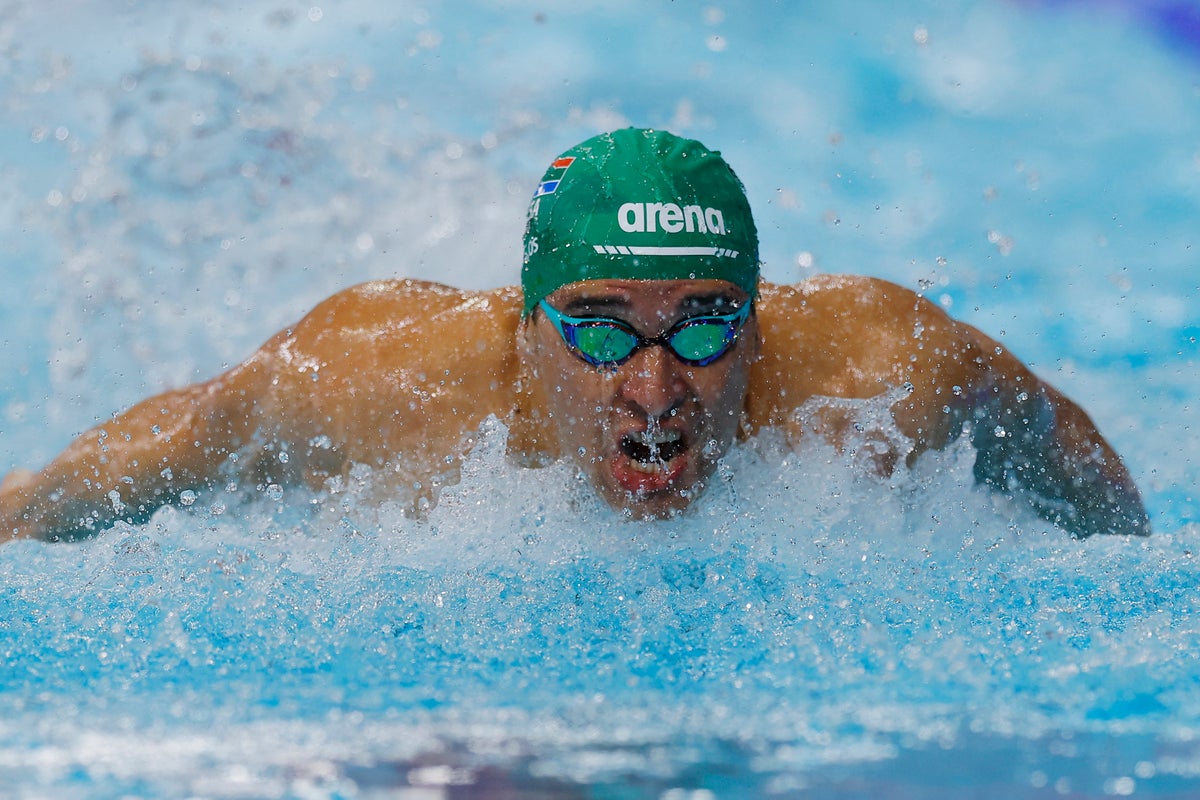
Every time tragedy strikes a high-profile competitor, sports media rolls out a predictable, exhausted script. We read the same breathless dispatches about devastation, followed immediately by the institutional knee-jerk praise for their miraculous resilience. When Olympic champion Chad le Clos faced the harrowing destruction of his family home in a devastating fire, the initial coverage followed this exact, lazy blueprint.
The public narrative always pivots to grit. We applaud how athletes bounce back from ashes, how they use adversity as fuel, and how human spirit triumphs over catastrophe.
It is a comforting myth. It lets the rest of us off the hook.
Worshiping resilience is a systemic coping mechanism. It shifts the burden of surviving structural and environmental failures entirely onto the individual. When a multi-medalist loses his sanctuary, the correct response is not marveling at how fast he can smile through the smoke. The correct response is examining why our modern infrastructure continues to fail basic safety tolerances at an alarming rate.
The Myth of the Unbreakable Champion
For decades, sports journalism has treated athletes as superhuman shock absorbers. We build them up as icons of physical perfection, only to demand that they also possess emotional armor impervious to trauma.
When a fire destroys a home, the immediate media focus locks onto the athlete's next competition. Will they make the trials? Will they bounce back? This framing treats human lives like prop inventory for a comeback movie.
I have spent years inside high-performance sports circles, and I have seen athletes burn out not from physical overtraining, but from the relentless expectation to perform grace under existential pressure. We demand that they wear their tragedies as badges of honor.
Resilience is not a superpower. It is a scar. When we romanticize it, we normalize the conditions that make it necessary in the first place.
Dismantling the Tragedy Industrial Complex
Look closely at how crisis reporting operates in modern media. It feeds on spectacle. A famous name anchors the catastrophe, drawing millions of clicks, while systemic vulnerabilities—faulty urban planning, inadequate emergency response times, and lax building safety regulations—fade quietly into the background.
People ask: How does an elite athlete mentally recover from losing their personal history?
That is the wrong question entirely.
The question we should be asking is: Why are residential safety failures still catastrophic despite billions of dollars pouring into municipal development and disaster management technology?
By focusing entirely on Chad le Clos or any other public figure rebuilding their life, the news cycle provides an emotional distraction. We consume the pain as entertainment, cheer for the recovery arc, and forget that the underlying hazard remains completely unaddressed for thousands of ordinary families who lack a global platform.
The Real Cost of Toxic Positivity
Sports culture suffers from an allergy to genuine vulnerability. True vulnerability means admitting that tragedy sucks, that rebuilding from zero is agonizing, and that no amount of positive mindset replaces a lost home, irreplaceable memorabilia, or a sense of security.
When we force athletes into the role of stoic survivors, we deny them the right to simply be overwhelmed. We transactionalize their grief.
Imagine a scenario where we stopped praising people for enduring disasters and instead held the responsible entities fiercely accountable for preventing them. The sports entertainment complex would grind to a halt because it relies on the drama of conflict and resolution.
Stop telling survivors they are strong for surviving. Fix the broken systems so they do not have to be strong in the first place.