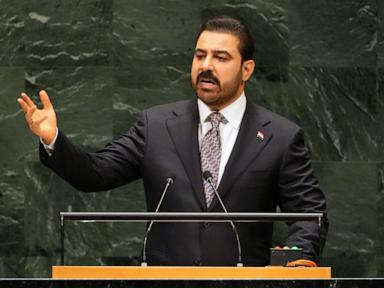
Every September, the General Assembly turns into a global talent show where diplomats compete to see who can weaponize dead philosophers most effectively. You have heard the routine. A permanent representative steps up to the podium, adjusts the microphone, and opens with a pristine, pre-vetted invocation of Marcus Aurelius, a polished proverb from a 14th-century poet, or a bizarrely forced reference to a Talking Heads lyric about roads and time.
It is intellectual cosplay. And it is entirely useless. If you found value in this article, you should check out: this related article.
For years, speechwriters in glass-tower embassies have treated high-level addresses as literary exercises. They comb through anthologies looking for ancient wisdom that makes a trade embargo sound poetic or a border dispute feel like a Greek tragedy. They believe that if you dress a bureaucratic talking point in enough antique velvet, the audience will mistake your lack of policy for profound statesmanship.
I have watched delegates nod along to these theatrical flourishes from the fourteenth row, jotting down notes not because the quote solved a humanitarian crisis, but because it sounded good enough to tweet. Meanwhile, the actual machinery of international diplomacy grinds to a halt beneath the weight of ornamental rhetoric. For another look on this story, see the latest coverage from TIME.
Here is the dirty secret of the glass palace. The people quoting Seneca at the podium are usually the same ones stalling funding for sanitation infrastructure behind closed doors. The aphorisms are a smoke screen. They are linguistic padding designed to mask a terrifying vacuum of operational strategy. When a state representative stands before the world and quotes a rock band from 1980 to illustrate geopolitical fragmentation, they are not communicating; they are performing.
Let us dismantle the lazy consensus that ornamental quotes elevate global discourse. They do the exact opposite. They flatten complex, bloody realities into safe, palatable soundbites.
Take the obsession with ancient texts. When a delegate invokes Cicero to warn against the dangers of corruption, everybody applauds. The speechwriter gets a bonus. The ambassador feels like a statesman. But what does it actually change? Nothing. In fact, it provides cover. By framing modern graft as an eternal human flaw that has plagued humanity since the Roman Republic, you implicitly normalize it. You turn systemic theft into bad weather. You suggest that because Cicero complained about crooked senators, we too must simply endure the looting of public treasuries with philosophical grace.
That is not wisdom. That is surrender wrapped in a toga.
Real diplomacy does not need a literary warmup act. When Dean Acheson or George Marshall laid out postwar reconstruction frameworks, they did not waste twenty minutes waxing poetic about Homer. They brought numbers, maps, and non-negotiable timelines. They understood that the podium is a tool for execution, not a substitute for a liberal arts education.
The compulsion to sprinkle speeches with pop culture references is even more pathetic. Dropping a line from David Byrne or Bob Dylan into an address on climate migration is supposed to signal that the speaker is youthful, plugged in, and culturally literate. It achieves the opposite. It reeks of desperate brand management. It tells the room that the speaker is deeply insecure about the gravity of their own office, so they have outsourced their credibility to a classic rock album.
If you are negotiating a ceasefire or managing a supply chain collapse for emergency grain, nobody gives a damn if you appreciate post-punk lyrics. They want to know where the ships are docking and who is paying for the insurance.
We need to stop rewarding rhetorical gymnastics. The media encourages this performance by grading speeches like figure skating routines—awarding high marks for artistic impression while ignoring technical execution. Commentators dissect whether an ambassador managed to weave both Aristotle and a contemporary African proverb into a seven-minute slot, as if international relations were a college debate tournament.
This creates a perverse incentive structure. Leaders spend millions on communication consultants to manufacture manufactured gravitas, while actual operational capacity rots from neglect.
Imagine a general contractor arriving at a collapsed bridge site, pulling out a leather-bound volume of poetry, and reading a moving verse about the fragility of stone. You would fire them before they finished the stanza. Yet we tolerate this exact behavior from people handling nuclear treaties and global trade pacts.
If your policy proposal cannot stand on its own data, adding a quote from a 17th-century dramatist will not save it. It will only decorate a failure.
The next time you watch a high-level summit, mute the audio during the literary openings. Look past the cadence of the seasoned orator. Ask yourself a simple question. If you strip away the borrowed wisdom of dead men and rock stars, is there a single measurable commitment left on the table?
Usually, the answer is silence. And silence is the only honest thing left at the podium.