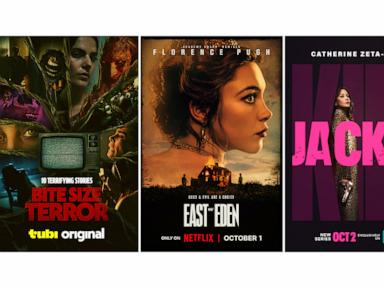
Culture recommendation roundups are broken. You know the drill. A lifestyle site or streaming guide throws Quavo, a gritty literary television adaptation like East of Eden, and a loot-grind dungeon crawler sequel into the exact same bowl, stirs it with a spoon, and serves it to you as a balanced diet.
It is intellectual fast food. It assumes your brain is a garbage disposal capable of digesting trap albums, multi-generational family sagas, and cooperative block-building spin-offs in a single frictionless sitting.
This lazy aggregation treats human attention span like an infinite resource. It flattens art into interchangeable content units designed solely to feed the algorithm's endless hunger. When a curator tells you to stream a new rap record, watch a prestige period piece, and fire up a corporate video game sequel all in the same breath, they are not helping you discover culture. They are accelerating your cognitive numbness.
Let us tear down this nonsense piece by piece.
The Myth of the Omnivorous Consumer
The foundational lie of modern media criticism is that the modern consumer is an omnivore who loves everything equally. Critics operate under the delusion that jumping from a four-minute trap anthem about street paranoia to a heavy, multi-episode examination of generational trauma based on John Steinbeck, and then sliding into a cooperative video game dungeon crawl, represents a healthy cultural appetite.
It does not. It is cognitive whiplash.
When you bounce between entirely different modes of storytelling and sensory input without pause, you absorb none of them. You consume them. There is a profound difference. Consumption is about clearing the plate. Absorption is about digestion, critical friction, and emotional retention.
I have watched entertainment editors spend millions on audience retention strategies that treat art like a slot machine. If the user gets bored of Quavo's high-hats, throw them a prestige television sword fight. If the sword fight feels too dense, give them pixelated loot drops. This constant rotation trains your brain to reject depth. You become addicted to novelty, trading sustained engagement for a series of micro-dopamine hits.
If you want to understand why cultural discourse feels hollow, look no further than this scattershot recommendation model. It teaches you to treat every artistic medium as background noise while you scroll through your phone.
The Quavo Problem and the Factory Line of Streaming Rap
Let us start with the music. The standard streaming roundup treats every new rap album as a monumental cultural event simply because it dropped on a Friday.
Quavo makes music for a very specific environment: late-night drives, club acoustics, and high-rotation algorithmic playlists. That is not an insult; it is a description of functional art. But when music journalism pretends that every major-label release holds equal weight alongside foundational shifts in the genre, they insult the artist and the listener.
The streaming era incentivized bloat. Artists drop twenty-track albums filled with mid-tempo filler because algorithms reward frequency and total streaming minutes over concise artistic statements. Quavo's solo output often suffers from this exact structural flaw. You get three or four undeniable bangers buried underneath fourteen tracks of autopilot production and recycled cadences.
Yet, recommendation lists praise the entire project as a must-stream event. Why? Because the machine demands movement. If you do not tell your readers to stream the new rap album, the algorithm punishes your traffic metrics. It is an ouroboros of mediocrity.
Stop pretending every high-profile release is a masterpiece. Real critique requires identifying the three great tracks, throwing away the rest, and admitting that modern commercial rap has an overproduction problem.
The Steinbeck Trap and Prestige Television Fatigue
On the opposite end of the spectrum sits the prestige literary adaptation. Take a classic, heavy-hitting American epic like East of Eden, hand it to a television network chasing the next generational drama, and watch the artistic compromise begin.
The lazy consensus says that turning classic literature into prestige television is automatically a cultural win. Bring out the period-accurate costumes, hire an expensive showrunner, cast a recognizable movie star for the lead, and call it high art.
We have seen this formula fail time and time again. Steinbeck's work is not about pretty cinematography and slow-burn pacing. It is about moral corruption, generational inheritance, the crushing weight of determinism, and the desperate human struggle for agency. When television networks adapt these properties, they often sand down the rough, uncomfortable edges to make them palatable for Sunday night streaming blocks.
They turn moral complexity into prestige soap opera. They trade theological weight for graphic violence and forced cliffhangers.
When roundups lump a heavy literary adaptation in with disposable trap records and cooperative video games, they commit a category error. A television series attempting to adapt Steinbeck demands silence, reflection, and historical context. You cannot pivot from listening to a bouncy club track to parsing generational trauma without losing the thread of both experiences.
If you are going to watch a prestige adaptation, clear your schedule. Treat it with the gravity it requires, or do not bother at all. Stop treating television as ambient noise while you fold laundry.
The Minecraft Dungeons II Illusion and Corporate Sequels
Then we hit the gaming sector of the roundup: the corporate sequel designed to squeeze every last drop of equity out of an established intellectual property.
Minecraft Dungeons was never a cultural milestone. It was a competent, safe, vertically integrated experiment. Mojang and Microsoft took a trillion-dollar sandbox brand, applied a top-down dungeon crawler skin over it, and sold it to parents looking for safe co-op experiences for their kids. It worked. It made money.
Now, the mere rumor or announcement of a sequel prompts gaming journalists to write breathlessly about its massive potential. Why? Because the word Minecraft generates clicks.
This is where the entertainment complex reveals its total lack of imagination. Instead of celebrating bold, risky, independent game design that pushes the medium forward, mainstream roundups elevate safe, risk-averse corporate product extensions. A sequel to a spin-off of an indie game turned corporate titan is not a cultural event. It is a quarterly financial report disguised as a hobby.
Video games are the most interactive, structurally innovative storytelling medium on earth. Yet, mainstream culture roundups treat them like toy aisles. They lump a loot-grind spin-off next to prestige television and trap albums as if they serve the exact same psychological function.
They do not. Gaming requires active cognitive labor, spatial reasoning, and mechanical mastery. You are not consuming a story; you are executing a system. Conflating that with passive listening or passive viewing exposes a fundamental illiteracy about how media actually affects the human brain.
The Attention Economy Death Cult
Why do media outlets persist in serving this chaotic, unhinged mix of recommendations? Because the business model depends on fragmentation.
The attention economy does not want you to think deeply. It wants you to move. It wants you to click the link, stream the album for thirty seconds, watch the trailer for the period piece, and pre-order the video game sequel. Each transaction generates a micro-cent of ad revenue or an affiliate fee.
When you accept this curation model, you become a passive consumer in a meat grinder. You surrender your taste to an algorithm that values recency above quality.
Let me be completely candid about the downsides of rejecting this model. Curating your own media diet takes actual work. It means ignoring ninety-percent of what drops on any given Friday. It means missing out on watercooler conversations about the latest mediocre television show that everyone is talking about for exactly four days before forgetting it exists. It means accepting that you cannot—and should not—consume everything.
True taste is defined by what you refuse to consume.
How to Fix Your Cultural Diet Right Now
If you want to break free from the lazy consensus of mainstream streaming guides, you need a radical overhaul of how you engage with culture. Here is the operational framework to do it.
First, institute a strict quarantine on weekly release hype. Let the dust settle for thirty days. If a rap album, a prestige television series, or a video game sequel still matters a month after its launch, it might be worth your time. If it vanishes from the cultural conversation the moment the marketing budget dries up, you just saved yourself ten hours of mediocrity.
Second, stop mixing high-friction and low-friction media in the same day. Do not consume heavy, emotionally draining literature adaptations while your brain is fried from a day of work and ambient background noise. Match your energy level to the medium. If you are going to engage with complex narrative art, give it your undivided attention in a dedicated block of time. Treat disposable entertainment like disposable entertainment—enjoy it for what it is without pretending it holds profound artistic truth.
Third, look for friction, not smoothness. The best art makes you uncomfortable. It challenges your assumptions, disrupts your routines, and forces you to think. If a recommendation list promises a seamless, frictionless journey across completely unrelated genres, run away. Frictionless media is designed to slide through your brain without leaving a trace.
Stop letting algorithms dictate your intellectual diet. Stop treating culture like a fast-food menu where you mix hip-hop, period dramas, and corporate spin-offs into an indigestible stew.
Turn off the stream. Pick one thing. Master it. Ignore the rest.