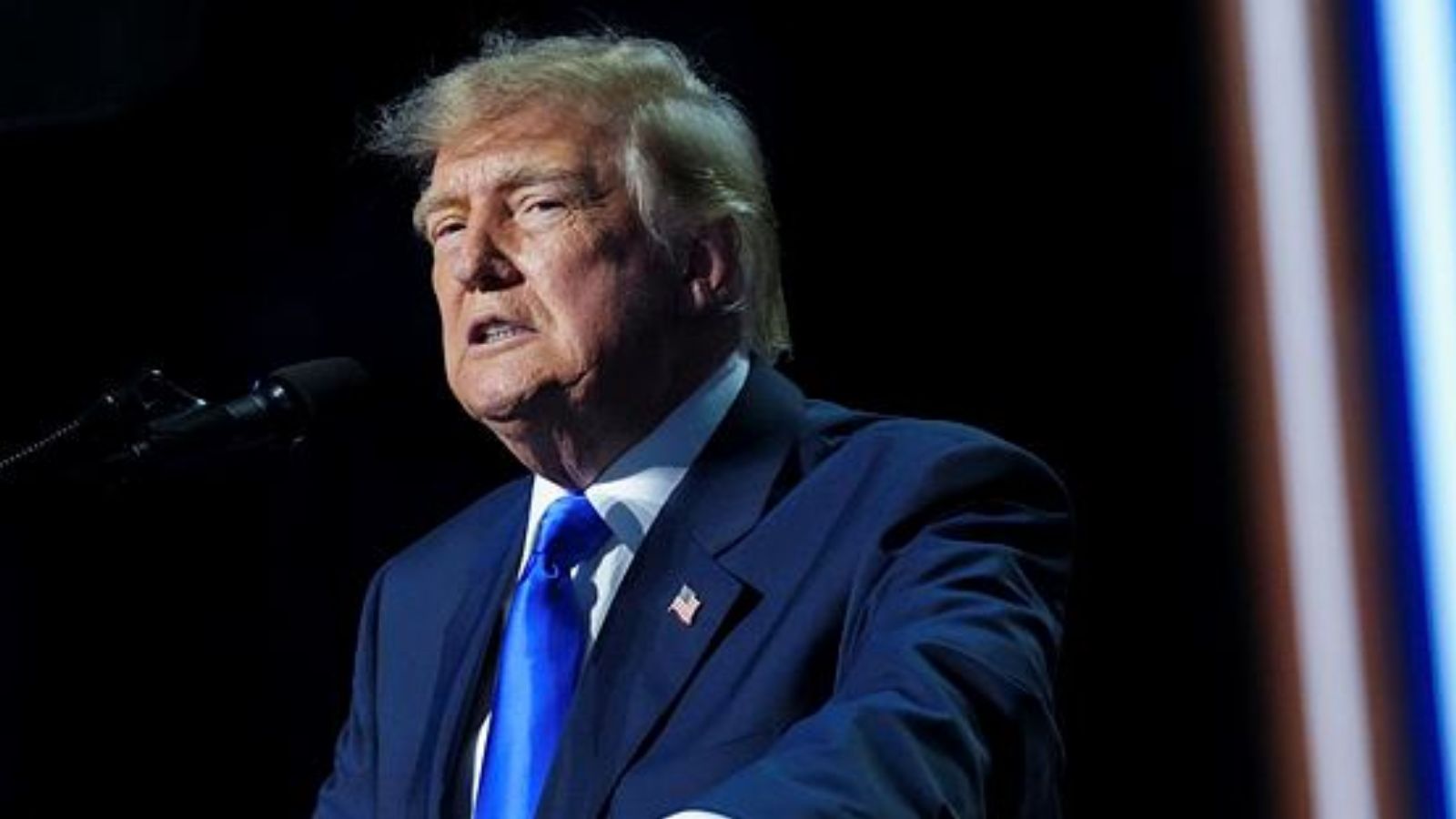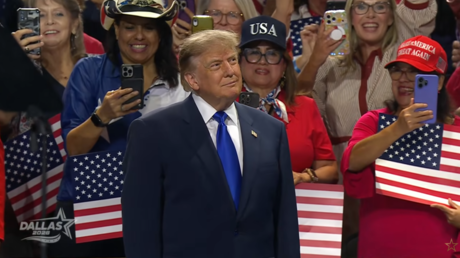
Another week, another eye-watering headline designed to short-circuit the public nervous system. This time, the mainstream press is hyperventilating over a speech in Dallas where the White House dangled a five-thousand-dollar dividend check for every adult citizen, conditioned entirely on Republicans keeping both chambers of Congress in the upcoming midterms. The media consensus immediately framed this as a cynical, inflationary bribe funded by thin air or explosive debt.
They are missing the plot entirely.
To understand why this proposal is neither the economic salvation its champions claim nor the apocalyptic inflationary doom-loop its critics scream about, you have to bypass the partisan shouting match and look at the actual plumbing of federal balance sheets.
Start with the lazy consensus. Mainstream outlets quickly pulled out their calculators and noted that handing five thousand dollars to roughly 245 million American adults totals well over a trillion dollars. They immediately equated it to pandemic-era stimulus injections, warning of a fresh wave of consumer price spikes. It sounds smart on cable news. It fails basic economic scrutiny because it ignores the funding architecture tied to the administration's broader fiscal strategy, specifically the expenditure-slashing targets championed by the Department of Government Efficiency alongside aggressive tariff revenue models.
This is where the financial engineering gets interesting, and where both sides of the aisle willfully misrepresent reality.
The underlying concept isn't random money-printing. It mirrors previous proposals to redirect a fraction of verified federal spending cuts directly back to taxpayers as a sovereign wealth style refund, treating citizens like equity holders in a corporation rather than passive subjects of a tax collector. When government operations trim fat—cutting bloated bureaucratic bloat, defunding redundant programs, and canceling obsolete contracts—the theoretical savings belong to the ledger of the taxpayer who funded them in the first place. Proponents argue that if you actually extract two trillion dollars in state spending reductions, returning a slice of those validated savings acts as a structural rebate rather than a fresh inflationary debt bomb.
Here is the dirty secret the cheerleaders leave out. Governments rarely cut spending in a vacuum. Every single dollar carved out of a federal agency represents a constituency, a lobbyist, or a contractor who will fight tooth and nail to keep it. The probability that an administration can cleanly harvest trillions in net savings without immediate congressional gridlock, court injunctions, and administrative pushback is near zero. The five-thousand-dollar check is not a line item waiting in a bank account; it is a contingent political futures contract. It pays out only if an improbable legislative trifecta holds and an unprecedented bureaucratic chainsaw actually executes its targets without hitting bone.
Let us address the other glaring caveat attached to the proposal: the requirement that the funds must be spent inside the United States. Economists love to debate velocity. If you inject a trillion dollars into domestic circulation under a strict protectionist spending mandate, you force a massive, artificial surge in retail demand concentrated entirely within American borders. Critics claim this creates localized bottlenecks and supply shocks. But look closer at the behavioral economics. A one-time cash infusion does not permanently alter long-term consumer purchasing power. Most households treat unexpected winddowns as temporary anomalies, routing them toward debt reduction or short-term balance sheet repair rather than permanent lifestyle inflation.
The real story here is not about the money. It is about weaponized hope in a midterm cycle where historical gravity dictates that the party in power takes a shellacking. Sitting presidents almost always lose ground in congressional midterms because midterm electorates are motivated by grievances, fatigue, and economic anxiety. By dangling a massive, tangible consumer payout, the administration is attempting to change the fundamental currency of political communication. They are shifting the debate from abstract legislative accomplishments to an immediate, high-stakes transactional question: do you want a stake in the fiscal restructuring, or do you want the opposition back in charge?
Calling it a bribe is intellectually lazy, but pretending it is a guaranteed check in the mail is equally dishonest. It is a high-variance political gamble wrapped in unorthodox fiscal theory.
The median voter hears five thousand dollars and visualizes a shopping spree. The political strategist hears a turnout mechanism designed to defy historical mid-term curses. And the structural realist sees a brilliantly disruptive framing trick that forces the opposition into the awkward position of arguing against giving people their own tax money back.
Do not get distracted by the size of the check. The check does not exist yet. What exists is a stark diagnostic of how modern political survival works: promise the moon, tie it to an electoral battle royale, and let the economists scream into the void while the crowd decides whether to bite.