The standard guide to Hong Kong public holidays is a recipe for misery. You’ve seen the charts. They tell you to "bridge" a Tuesday holiday with a Monday off to get a four-day weekend. They suggest you book your flights to Japan or Thailand six months in advance. They promise you "maximal relaxation" by burning your precious annual leave to sync up with the rest of the seven million people living on this rock.
They are lying to you.
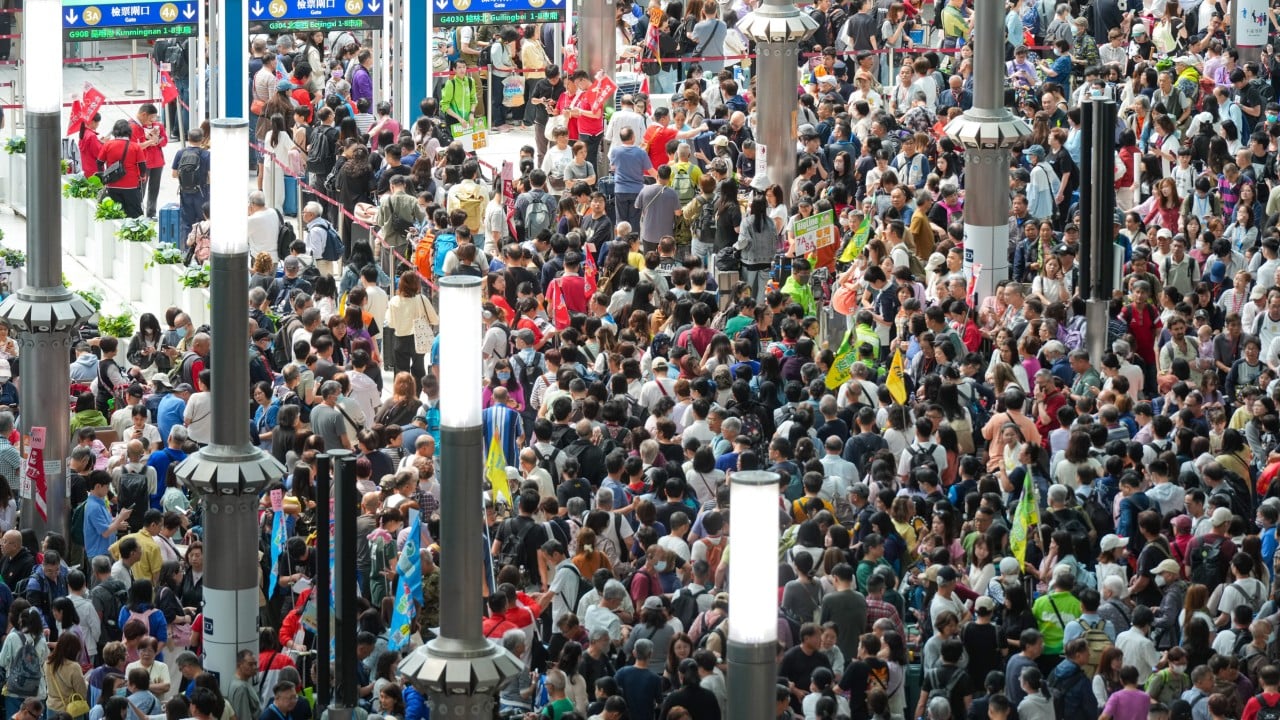
When you follow the "Holiday Hack" charts, you aren't winning. You are participating in a mass migration. You are paying a 300% markup on airfare, standing in a two-hour queue at Immigration, and fighting for a dinner reservation in Osaka with every other person from Central.
In 2027, the smart money stays put. The real "hack" isn't about how many days you can string together; it's about arbitrage. It's about recognizing that the value of a day off is inversely proportional to how many other people are off at the same time.
The Mathematical Failure of the Long Weekend
Let's look at the 2027 calendar. Easter falls early. Buddha’s Birthday is on a Wednesday. The Mid-Autumn Festival and National Day cluster together in early October. The "lazy consensus" says this is your chance for a "mega-break."
Mathematically, this is a disaster.
Supply and demand dictate the quality of your life. When the entire workforce of a Tier-1 financial hub attempts to exit through the same narrow gates simultaneously, the system breaks. You are trading five days of high-stress office work for four days of high-stress logistics.
Consider the "Effective Relaxation Value" (ERV). If a standard weekend at home has an ERV of 10, a "bridged" long weekend in a crowded tourist trap often drops to a 4. You return more exhausted than when you left, having spent $15,000 HKD for the privilege of checking your work email while waiting for a bus in the rain.
The Contrarian Play: The Anti-Bridge
Instead of bridging the holiday to create a long weekend, work the bridge.
When the office is empty because everyone else is in Niseko, that is the most productive time of the year. No meetings. No "urgent" Slack messages from managers who are currently distracted by a ski lift. This is your period of Deep Work.
I have seen professionals clear a month’s worth of backlog in the three days surrounding Ching Ming Festival. While their colleagues are stressed about flight delays at Chek Lap Kok, these outliers are finishing their projects and earning the right to take a random Tuesday through Thursday off three weeks later.
The benefits are brutal and binary:
- Financial Arbitrage: Flights on a random Wednesday in May are a fraction of the cost of flights during the Easter peak.
- Quality of Service: A hotel at 40% occupancy provides a fundamentally better experience than one at 105%.
- Mental Clarity: True rest requires silence. You won't find silence in a city where everyone is "making the most" of a public holiday.
Why You Are Addicted to the Calendar
We cling to these public holiday hacks because of a scarcity mindset. We feel like we are "beating the system" by getting ten days off for the price of three. But you aren't beating the system; the system is using you to fill the peak-pricing buckets of airlines and travel agencies.
The 2027 calendar offers several "traps" where holidays fall on Fridays or Mondays. The instinct is to flee the city. Resist it.
Hong Kong during a major public holiday is one of the few times the city actually breathes. The construction noise stops. The traffic in Admiralty vanishes. If you stay in the city while everyone else leaves, you are actually enjoying the premium version of Hong Kong that you pay so much rent for, but never get to experience.
The Mid-Week Holiday Strategy
In 2027, we have several "lonely" holidays—single days off in the middle of the week. The common complaint is that they "break the rhythm."
This is a gift.
A Wednesday off is a circuit breaker. It prevents the accumulation of cortisol that leads to Friday burnout. Use the Wednesday Buddha’s Birthday (May 13, 2027) not to travel, but to do absolutely nothing. Don't "optimize" it. Don't go on a grueling hike with five thousand other people on the Dragon's Back.
Go to a cinema in the morning. Eat at that restaurant that usually has a three-week waitlist for lunch. The city belongs to those who stay behind.
The High Cost of "Optimization"
I have spent fifteen years watching people treat their leisure time like a logistics project. They use spreadsheets to calculate the exact moment they need to leave the office to catch the A11 bus to make their flight. They arrive at their destination and immediately start worrying about the return leg.
This isn't travel. It's an ego-driven quest to "maximize" a calendar that was designed for colonial-era civil servants, not modern knowledge workers.
The downside to my approach? You might feel a bit of FOMO when you see your friends posting pictures of cherry blossoms. But that feeling disappears when you realize you saved $20,000 HKD and three days of your life that would have been spent in transit.
How to Actually Use Your 2027 Annual Leave
Stop looking at the red dates on the calendar. Look at the white ones.
The best time to take leave in 2027 is the second week of November. Why? There are no public holidays. None. This means flights are cheap, hotels are empty, and your clients aren't expecting you to be "out of the office" anyway, so they’ll actually respect your boundaries.
The 2027 public holiday schedule is a test of your independence. You can either join the stampede or you can wait for the dust to settle.
If you want to make the most of the public holidays, give them back. Work when they play. Play when they work. The math doesn't lie, even if your HR department's "holiday tips" newsletter does.
The airport is a nightmare on December 24th. It is a dream on January 15th. Choose the dream.
Stop bridging. Start winning.
Burn the charts and reclaim your sanity.