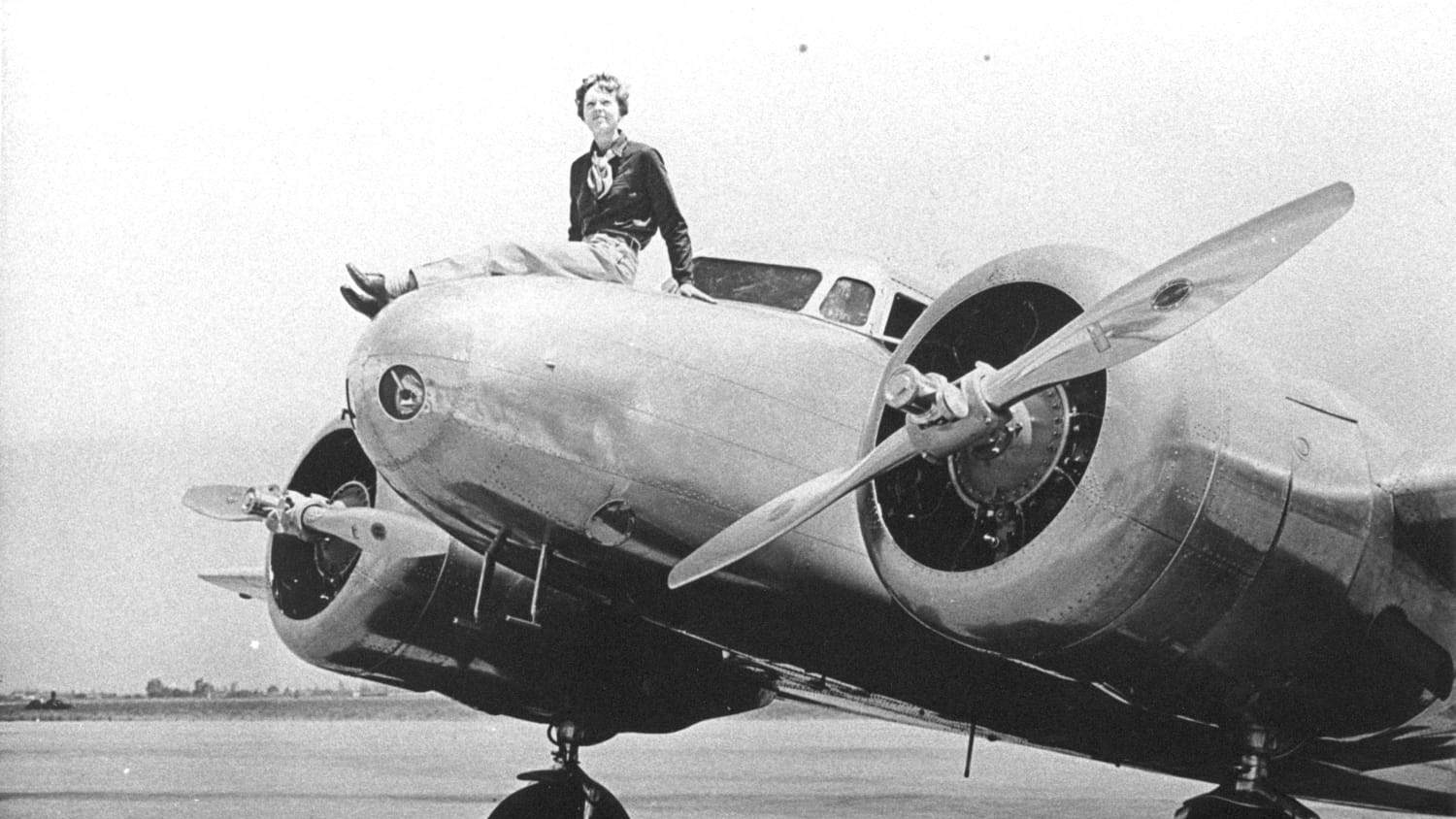
Another multimillion-dollar expedition is launching toward a speck of coral in the South Pacific, convinced this time they will dredge up Amelia Earhart. They never will. The search industry built around finding her Lockheed Electra is not an investigative crusade; it is a monument to romanticized incompetence that relies on ignoring basic physics, navigation errors, and archival records that have sat unread in plain sight for nearly a century.
Media outlets dutifully repeat the press releases every few years. A fresh crop of sonar operators, documentary crews, and well-funded believers pack their bags for Nikumaroro Island, formerly known as Gardner Island. They promise closure. They promise high-tech submersibles will pierce the murky blue abyss and find aluminum scraps bearing serial numbers matching her registration.
It is theater. Expensive, self-deluding theater.
The standard narrative pushes a tidy story. Earhart and navigator Fred Noonan ran out of gas somewhere near Howland Island, missed their target patch of dirt in the vast emptiness of the ocean, and drifted south to an uninhabited atoll where they lived out a castaway existence until they expired under the equatorial sun. This theory makes for gripping television. It gives ghost hunters a tangible perimeter to sweep with side-scan sonar.
The premise collapses under elementary scrutiny.
First, let us look at fuel calculations. The Lockheed Electra 10E was stripped of non-essentials to maximize range for that fatal leg from Lae, New Guinea, to Howland Island. When Earhart failed to find Howland, her fuel reserves were effectively zero. If she managed to turn south toward Gardner Island—some four hundred miles away—she would have needed hours of fuel she simply did not possess. Air navigation in nineteen-thirty-seven relied on dead reckoning, primitive radio direction finders, and visual cues. Missing Howland meant missing a tiny target in an endless ocean. Flying hundreds of miles further south on fumes defies the operational metrics of the aircraft.
Second, the bones found on Gardner Island in nineteen-forty were measured by British colonial authorities and deemed belonging to a stocky male, not a five-foot-eight American aviator. While subsequent modern re-evaluations of those measurements by forensic specialists have tried to argue the bones could fit a tall woman, the original skeletal remains vanished from Fiji decades ago. We are left arguing over rusty colonial archive notes while pretending modern computer modeling can resurrect missing physical evidence.
The real tragedy is not that Earhart remains lost. The tragedy is that millions of dollars are funneled into a maritime wild goose chase while genuine historical preservation and maritime archeology projects starve for funding. People love a mystery because mysteries offer redemption arcs. We want the noble adventurer to be found resting peacefully on a reef, waiting for our generation to discover her.
Reality is colder.
When an aircraft loaded with high-octane aviation fuel and lightweight aluminum hits the open ocean at cruising speed, it does not sink intact like a pristine museum piece. It shatters. The thin skin of a Lockheed Electra shreds upon impact with water. Ocean currents moving at knots across jagged coral shelves grind debris into powder over decades. Anything that survived the initial crash would have been dispersed across miles of deep ocean trenches where abyssal plains swallow anomalies whole.
Search crews love Nikumaroro because the reef looks picturesque on a documentary broadcast. It looks like a place where a plane could hide. But oceans are not polite storage lockers. They are aggressive, crushing, corrosive environments that destroy human artifacts with institutional efficiency.
If you want to understand what happened to Amelia Earhart, stop looking at coral heads in the Phoenix Islands. Look at the navigation logs. Look at the radio frequencies she was broadcasting on—frequencies her receiver struggled to process correctly due to antenna configuration issues. Look at the administrative pressure to complete a round-the-world publicity flight that forced her aloft despite malfunctioning equipment and exhausted pilot capacity.
The obsession with finding the wreckage is a distraction from accepting human error. It is easier to believe in castaway survival or secret Japanese capture than it is to admit a brilliant pilot and an exceptional navigator simply flew past their target, ran out of gas, and descended into an unmapped stretch of the Pacific where the water is eighteen thousand feet deep.
Every expedition that sails to Nikumaroro knowing the mathematical odds is selling hope to people who confuse persistence with progress. They will scan the sand. They will find a piece of a modern fishing trawler or a rusted WWII drum. They will announce a tantalizing anomaly. Then the money will run dry, the cameras will turn off, and the reef will remain silent.
Let the ghost rest. Start funding marine archaeology that looks at places where history actually left usable clues, rather than funding another luxury cruise for people who want to sail home with a t-shirt that says they almost found Amelia.