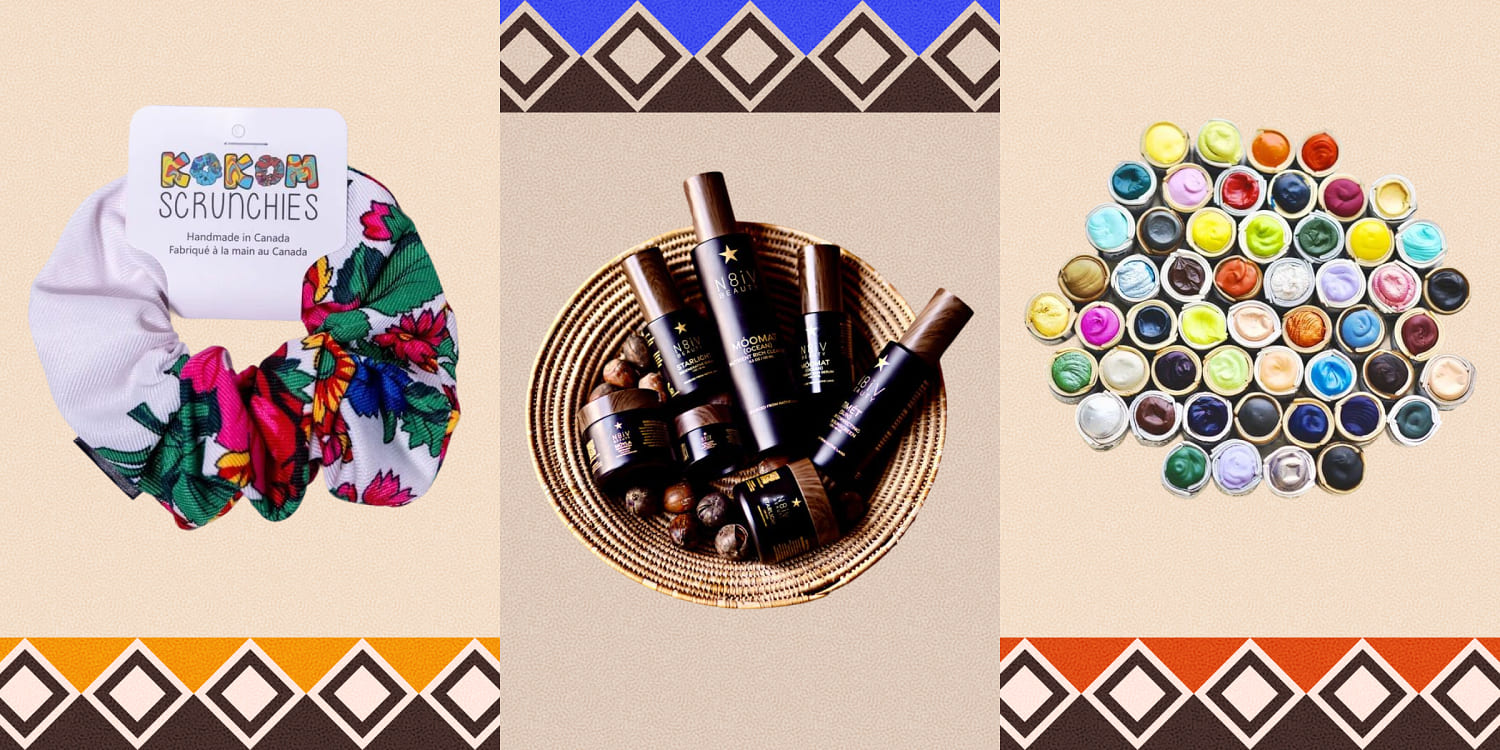
Every November, major media outlets dust off the same template. They publish a glossy, 67-item shopping roundup of Indigenous-owned brands, slap an affiliate link on a few beaded earrings and cedar candles, and pat themselves on the back for supporting Native entrepreneurship.
It is performative retail theater. And for the founders on those lists, it is often a logistical nightmare disguised as a favor.
When you treat Indigenous businesses like seasonal charity cases rather than serious commercial competitors, you distort their demand curves, destroy their inventory planning, and ignore the actual economic engine driving Native commerce. I have spent years watching heritage brands and minority-owned consumer packaged goods companies scale—and fail—inside North American retail. The biggest threat to an independent founder isn't a lack of media roundups. It is the "sympathy spike" that hits in November, evaporates by January 2, and leaves a small warehouse drowning in dead stock or crushed by unfulfillable rush orders.
If you actually care about Indigenous economic sovereignty, throw away the 67-brand mega-list. Here is what is broken about how consumers and editors approach Native commerce, and how to buy like a serious investor in real businesses instead of a tourist with a guilty conscience.
The Myth of the Mega-List
Look closely at any massive "brands to put on your radar" roundup. You will notice an immediate, glaring flaw: zero curation.
Editors routinely toss a solo artisan hand-beading medallions at a kitchen table onto the exact same list as a venture-backed cosmetics powerhouse stocked in Sephora. They lump a multi-million-dollar footwear manufacturer in with a weekend candle maker.
That is not journalism. It is laziness.
Why Lumping 67 Brands Together Hurts Everyone
When a media outlet aggregates dozens of wildly different business models under a single demographic umbrella, two bad things happen:
- Consumer paralysis: Nobody clicks through 67 affiliate links to evaluate supply chains, ingredient sourcing, or unit economics. Readers buy one $16 smudge spray to feel virtuous and close the tab.
- Operational whiplash: A micro-brand making small-batch salves in Northern Ontario does not have the working capital or co-packing agreements to handle sudden viral traffic from a national news site. When they sell out in four hours, they don't capture the upside—they lose the customer forever to backorder frustration.
Meanwhile, established enterprises get patronized. Companies like Cheekbone Beauty, founded by Jenn Harper, or Manitobah (formerly Manitobah Mukluks), founded by Sean McCormick, aren't fragile startups begging to be "discovered" on your radar. Cheekbone Beauty built biodegradable cosmetics formulations that forced legacy beauty conglomerates to rethink packaging waste. Manitobah scaled into an international footwear brand and achieved B Corp certification while maintaining authentic artisan supply chains.
Putting a B Corp global footwear manufacturer on a "cute brands to watch" list is like putting Patagonia on a list of "local outdoor hobbyists." It shrinks their market stature to fit a tidy editorial narrative.
The Dirty Secret of "Buy Indigenous" Philanthropy
Let's dismantle the biggest misconception in conscious consumerism: the idea that buying from an Indigenous-owned brand is an act of charity.
It isn't. Or at least, it shouldn't be.
I have watched founders blow hundreds of thousands of dollars chasing retail placements built entirely on heritage storytelling rather than product-market fit. Retail buyers at major department stores love a good diversity press release during Heritage Month. They will gladly take a small test order from a Native founder, put it on an endcap for thirty days, take photos for their corporate social responsibility report, and quietly drop the SKU in Q1 when velocity dips.
Sympathy does not generate repeat purchases. Product performance does.
The Three Tiers of Indigenous Commerce
If you want to understand where your money actually goes—and which brands deserve your recurring revenue—stop looking at demographic labels and start evaluating business structure. In reality, the market splits into three distinct tiers:
- The Legacy & Enterprise Powerhouses: Brands like Eighth Generation (owned by the Snoqualmie Tribe) and Manitobah. Eighth Generation didn't just make blankets; Louie Gong built a supply chain that directly challenged non-Native corporations profiting off "Native-inspired" wool designs. When the Snoqualmie Tribe acquired the company, it proved that tribal nations can buy back their own aesthetic IP and run high-margin manufacturing operations.
- The Category Disruptors: Companies competing head-to-head with mainstream clinical and luxury brands on pure formulation and design. Think Sḵwálwen Botanicals, founded by ethnobotanist Dr. Leigh Joseph, or Satya Organic Skin Care, founded by Patrice Mousseau. Satya didn't get onto the shelves of major pharmacy chains because of a feel-good backstory; it got there because Mousseau formulated a steroid-free, Health Canada-approved eczema stick that outperformed legacy pharmaceutical creams.
- The Direct-to-Artisan Micro-Brands: Independent makers, textile weavers, and small-batch crafters selling directly to collectors and everyday buyers. Here, margins stay 100% with the creator, provided you buy directly from their webstore rather than through third-party aggregators taking a 30% cut.
Brutal Answers to What Shoppers Actually Wonder
When people search for Indigenous-owned brands, they usually carry a quiet baggage of hesitation, guilt, and confusion. The standard gift guides ignore these questions because they aren't polite. Let's answer them directly.
"Am I allowed to wear or use this if I'm not Indigenous?"
Yes—if you are buying from an Indigenous-owned brand that is actively selling it to the public.
The confusion between cultural appreciation and cultural appropriation has paralyzed well-meaning buyers into doing nothing at all. The distinction is brutally simple: follow the money. When a fast-fashion conglomerate steals a Diné geometric pattern, prints it on polyester in an overseas factory, and pockets the profit, that is theft. When you buy a wool throw from Eighth Generation or a pair of mukluks from Manitobah, the revenue flows directly into Indigenous wages, tribal enterprises, and Native artists. As Manitobah explicitly tells non-Native buyers: purchasing from Native makers isn't appropriation—it is participation in an authentic economy.
The only line you don't cross is buying sacred ceremonial items (like eagle feathers or regalia restricted to specific societies), which legitimate Native brands don't sell to the general public anyway.
"Why are these products more expensive than Amazon?"
Because you are paying for true cost accounting instead of subsidized exploitation.
When you buy a $12 "tribal print" blanket online, the price is artificially low because nobody paid the artist, the synthetic fibers shed microplastics, and the labor was offshored. When you buy a heavyweight wool blanket from Eighth Generation or a custom-beaded piece from Beyond Buckskin (founded by Dr. Jessica Metcalfe), you are paying for domestic or ethically audited manufacturing, raw natural materials, and living wages for living artists.
If you want cheap, buy fast fashion. If you want an heirloom that holds resale value and doesn't rely on IP theft, pay the real price.
"Doesn't shopping from a list help small businesses get discovered?"
Only if you change how you buy after the click.
A one-time holiday purchase is a sugar rush. Imagine a scenario where a small skincare brand gets featured in a major November roundup. Orders spike 800% in 72 hours. The founder maxes out a credit card to buy raw shea butter, glass jars, and shipping boxes to fulfill the surge. Then January hits. Those 2,000 new customers never reorder because they checked "support a Native business" off their annual to-do list. The founder is now sitting on $40,000 of excess packaging and raw ingredients with zero recurring cash flow.
I have seen this exact cycle kill promising consumer brands. One-off virtue shopping is worse than useless; it creates false demand signals that trick founders into over-leveraging their inventory.
The Contrarian Playbook for Buying Native
If you want your spending to build real, compounding wealth in Indigenous communities, stop browsing mega-lists. Replace seasonal browsing with a ruthless, permanent procurement strategy.
1. Audit Your Recurring Replacements, Not Your Gift List
Gifts happen once a year. Replacements happen every 30 to 60 days.
Look at your bathroom cabinet, your pantry, and your morning routine. Those are the categories where customer lifetime value (LTV) is built. Instead of buying a novelty mug in November, switch one high-frequency consumable permanently:
- Daily Skincare & Eczema Relief: Swap your petroleum-based drugstore balm for Satya Organic, or replace synthetic facial oils with Sḵwálwen Botanicals.
- Cosmetics: Replace your standard lipstick or brow pencil with Cheekbone Beauty or Prados Beauty (founded by Cece Meadows).
- Coffee, Tea & Pantry Staples: Look at tribally owned agricultural enterprises like Séka Hills (owned by the Yocha Dehe Wintun Nation, producing estate-grown olive oil, honey, and wine) or Red Lake Nation Foods (harvesting wild rice and jams).
A customer who buys a $28 jar of balm four times a year is worth infinitely more to a founder's balance sheet than a tourist who buys a $100 blanket once and disappears.
2. Bypass the Middleman and Kill the Affiliate Tax
Notice how almost every "67+ Indigenous-owned brands" article links out to massive third-party marketplaces or department store aggregators.
Why? Because publishers make 5% to 15% in affiliate commissions from those giant retailers, whereas an independent Shopify store might not have an affiliate program at all. Meanwhile, the third-party retailer is taking a 30% to 50% wholesale margin—plus slotting fees, chargebacks, and marketing co-op deductions—out of the founder's pocket.
When you find a brand you like, open a new browser tab, search the brand's direct URL, and buy straight from their website. You will pay the exact same retail price, and the founder will keep 100% of the gross margin instead of surrendering half of it to a middleman.
3. Demand Receipts on Ownership
"Native-inspired" is the oldest scam in North American retail. Non-Indigenous corporations routinely slap arrowheads, geometric patterns, and pseudo-spiritual names onto mass-produced goods while implying community ties.
Do not trust vague marketing copy about "honoring traditions." Look for verifiable ownership:
- Tribal Enterprise Ownership: Businesses owned directly by federally recognized tribes or First Nations, where profits fund healthcare, housing, and language revitalization (e.g., Eighth Generation, Séka Hills).
- Verified Native Founders: Brands where the founder's nation and community ties are explicitly named and verifiable, such as Ginew (founded by Erik Brodt, Ojibwe, and Amanda Bruegl, Oneida/Stockbridge-Munsee) or B.Yellowtail (founded by Bethany Yellowtail, Northern Cheyenne/Crow).
- Supply Chain Transparency: Ask who actually designed the art. Eighth Generation built its entire reputation on the "Inspired Natives, Not Native-Inspired" movement, ensuring that every artist receives royalties and credit on the product label.
The Honest Downside of Buying Direct
Let's be transparent about the friction you will run into if you follow this playbook. Buying directly from independent Indigenous brands is not as frictionless as clicking "Buy Now" on a trillion-dollar logistics monopoly.
Shipping takes longer. Many independent operations fulfill orders out of small studios or tribal territories rather than automated metropolitan hubs. You will pay for shipping more often because small brands cannot absorb $15 freight losses on a $30 order without eroding their margins to zero. Inventory fluctuates; when wild-harvested botanicals or small-batch textiles sell out, you wait until the next harvest or production run.
If you need overnight delivery at rock-bottom prices, stick to mega-corporations. Free two-day shipping is an illusion subsidized by warehouse workers and crushed supplier margins. Accepting a five-day delivery window and paying $8 for postage is the actual price of keeping independent supply chains alive.
Stop Treating Native Business Like a Trend
The 67-brand roundup exists to make editors feel inclusive and readers feel generous for forty-eight hours a year. It reduces sovereign nations, trained ethnobotanists, industrial designers, and shrewd manufacturers into a seasonal shopping aesthetic.
Indigenous businesses do not need your sympathy, your holiday guilt, or a spot on an overcrowded listicle. They need ruthless product evaluation, direct-to-consumer margins, and recurring customer loyalty twelve months a year.
Close the listicle. Pick two brands whose products beat what is currently sitting in your house. Buy directly from their site, set a calendar reminder to reorder in sixty days, and never look at a seasonal roundup again.