Every shipping executive in the northern hemisphere loves a good weather excuse. When the Panama Canal Authority imposed draft restrictions and vessel transit caps during the dry spells, the logistics mainstream sang in unison. Blame the climate. Blame El Nino. Blame the heavens for withholding rain from Gatun Lake.
It is a convenient narrative. It absolves everyone of institutional failure.
I have watched supply chain managers burn millions of dollars on reactionary routing while swallowing this weather-myth hook, line, and sinker. The lazy consensus is that a lack of rainfall is the sole antagonist of this maritime drama. Strip away the meteorology, however, and you find a completely different reality. The bottleneck isn't coming from the sky. It is coming from a stubborn refusal to overhaul a century-old water management architecture while demand scales into the stratosphere.
The Myth Of The Thirsty Canal
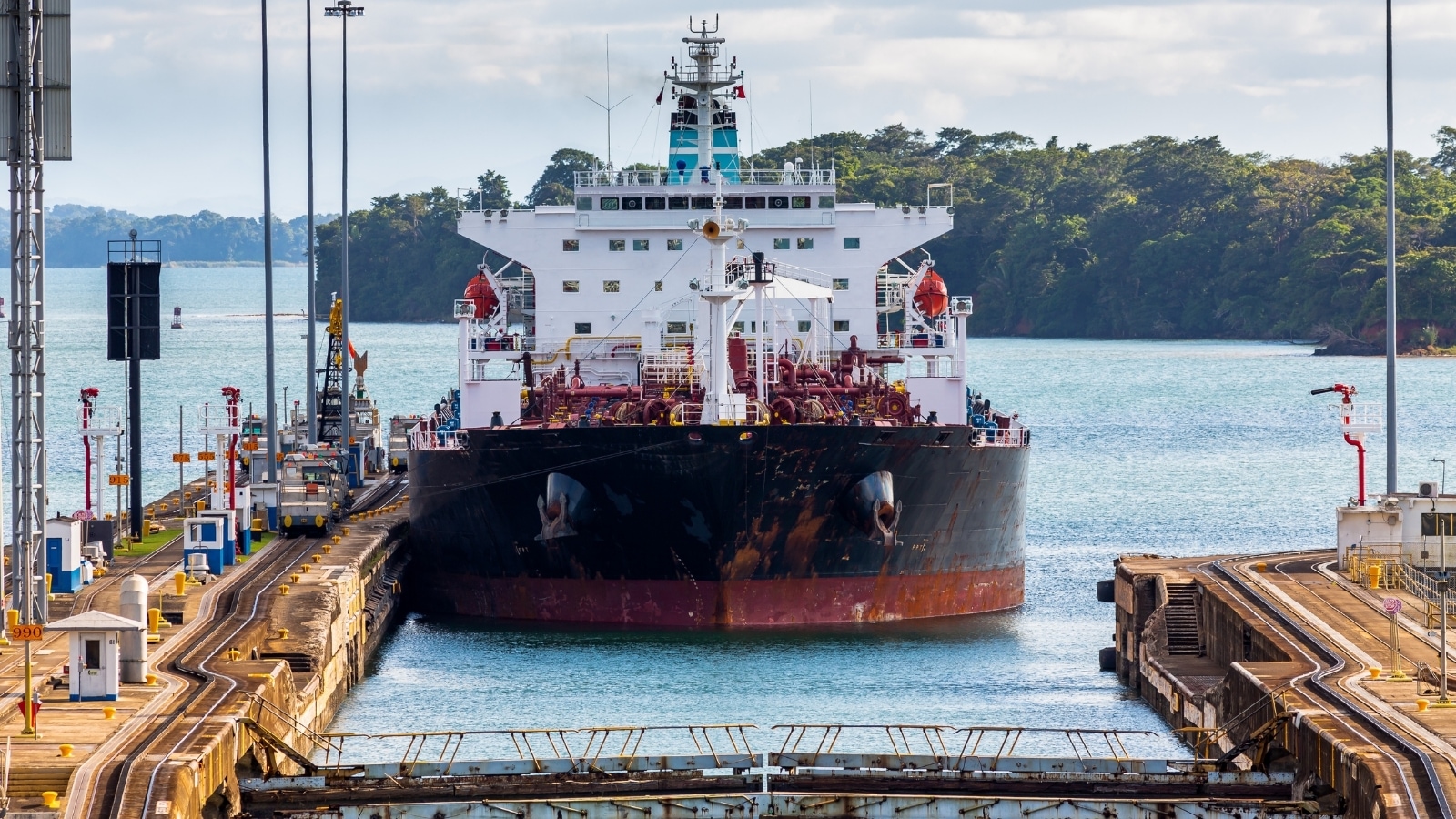
Let us look at the basic mechanics of how water actually moves through the Isthmus of Panama. The canal is not a sea-level ditch. It is a water-guzzling staircase. Every single ship that crosses from the Atlantic to the Pacific requires roughly 52 million gallons of freshwater to lift it up and lower it back down. That water comes from Gatun Lake and Madden Lake, both fed by a tropical watershed.
When dry seasons arrive—which they do with clockwork predictability every single year—the water levels drop. This is not an anomaly. It is a seasonal baseline that has existed since the French tried to dig a hole here in the nineteenth century.
Calling an ordinary dry cycle an unprecedented crisis is a public relations strategy, not an operational analysis. The Panama Canal watershed receives ample annual rainfall to support heavy maritime traffic. The failure point lies in retention, distribution, and consumption. For decades, operators relied on an abundant surplus without building the modern hydrological infrastructure required to store, recycle, or bypass the gravity-fed freshwater system.
When cargo volumes surged past historic highs, the system hit a wall. The drought merely exposed the cracks in a business model that treats fresh drinking water for three million Panamanians and industrial transit water as an infinite free resource.
Why The Surcharges Are A Tax On Poor Planning
Let us talk about the financial fallout. Shippers were hit with skyrocketing booking auction fees and severe weight limits. Millions of dollars were wasted waiting in anchorages for weeks, or worse, re-routing cargo via the Cape of Good Hope or the Suez Canal—at least until geopolitical conflicts turned the Red Sea into a hazard zone as well.
The reaction from the logistics sector was pathetic. Carriers accepted slot auction bids running into the millions of dollars as the cost of doing business. They passed those expenses directly down to consumers, whining about weather patterns while ignoring the elephant in the room: systemic infrastructural stagnation.
Imagine a trucking company running a fleet with leaking fuel tanks, blaming the gas stations for running dry when they refuse to fix the holes. That is what the global shipping industry has done with Panama.
The Panama Canal Authority is a state-run enterprise that transfers hundreds of millions of dollars to the national treasury annually. Those funds have historically prioritized fiscal dividends over massive capital expenditure projects like the Indio River reservoir development. Bringing a new water source online takes years of political will and heavy capital investment. When you milk a cash cow without feeding it, do not act surprised when it stops producing.
The Real Alternative No One Wants To Fund
There is a technical fix to this entire debacle, and it has nothing to do with praying for rain or reducing ship drafts. It involves closed-circuit water recycling systems or constructing the long-delayed Indio River basin project to supplement the watershed.
Water-saving basins were added to the newer Neo-panamax locks, reducing water consumption by a significant margin compared to the historic locks. Yet, the older locks—which handle a massive volume of commercial transit—still operate on the same archaic, gravity-drain-to-the-ocean method designed in the early 1900s. Dumping millions of gallons of pristine freshwater into the sea after a single transit is an engineering sin in the twenty-first century.
Until the authorities invest in aggressive water reclamation technology for the legacy lanes, every dry season will trigger the exact same panic. The weather is not your enemy. Ignorance of engineering limits is.
Stop adjusting your supply chain strategies around meteorological prayer charts. Stop accepting drought as an unpreventable act of God that justifies multi-million-dollar transit markups. The canal does not need more clouds. It needs modern architecture.
If your logistics strategy relies on the weather cooperating, you do not have a strategy. You have a prayer.