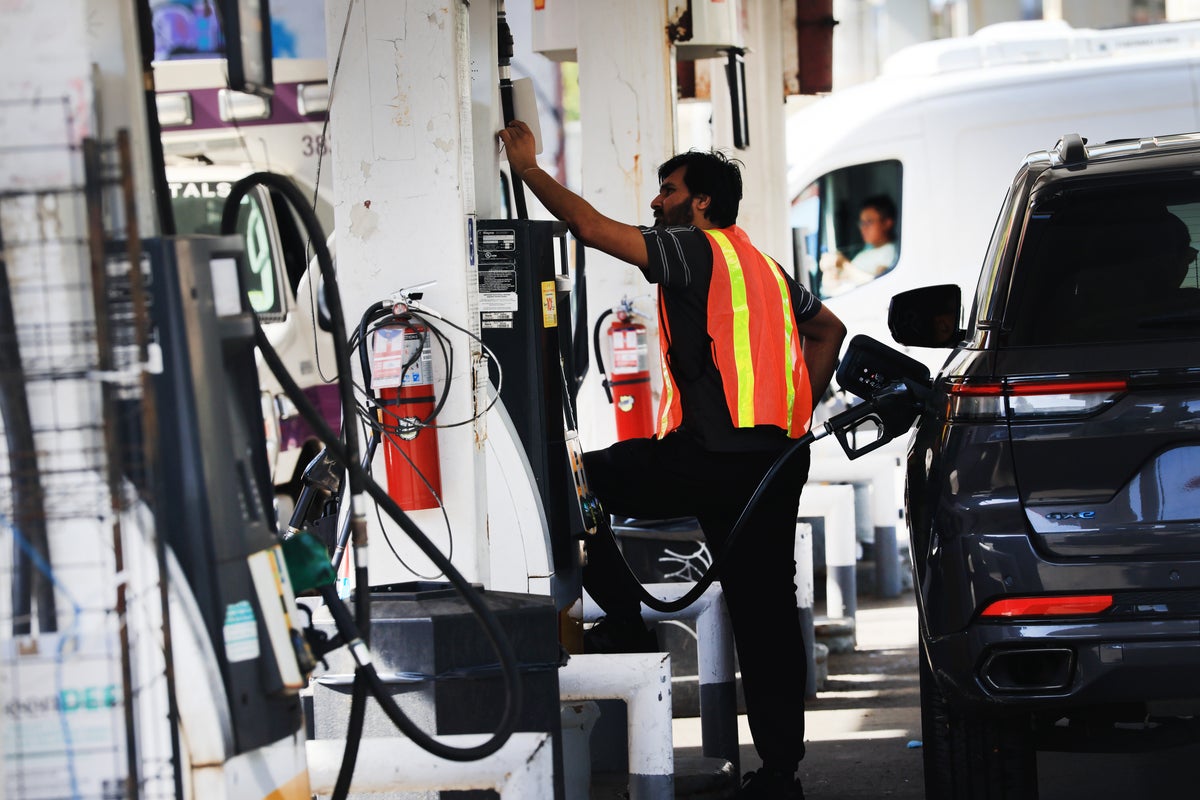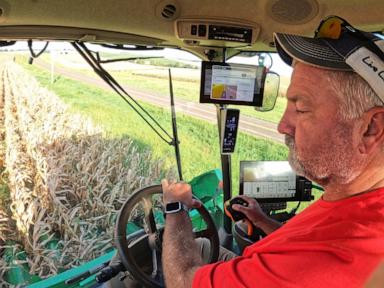
Every time ultra-low sulfur diesel ticks upward on the New York Mercantile Exchange, the agricultural commentariat runs the exact same predictable play. Headline writers reach for the stock photo of a grizzled farmer squinting at a diesel pump, while trade associations issue dire press releases warning that high energy costs will bankrupt the heartland.
It is economic theater at its most lazy.
The narrative assumes that rising fuel prices are an exogenous shock capable of bringing down an entire sector of American food production single-handedly. It paints the modern producer as a helpless victim of global oil cartels and refinery bottlenecks.
That narrative is a comforting fiction. It shields inefficient operators and equipment manufacturers from a much harder, more uncomfortable truth. Diesel prices are not killing American farms. Decades of structural over-mechanization, chemical addiction, and catastrophic capital allocation are.
Let us look at the actual numbers without the sentimental fog.
For a standard corn or soybean operation, fuel typically accounts for roughly six to nine percent of total operating expenses. When diesel spikes by thirty percent—a massive headline-grabbing jump—it alters the total cost of production per acre by a distinct, measurable margin, but not a fatal one. Yet listen to the screaming, and you would think every tractor in the Midwest was running on liquid gold.
Why does a manageable input cost trigger existential panic? Because modern farming has engineered all operational resilience out of the system.
I have watched mid-sized family operations sign notes for four-hundred-thousand-dollar articulated tractors with the financial discipline of a teenager buying a luxury sports car on a subprime auto loan. They buy the horsepower because of dealer financing incentives and depreciation accounting tricks, not because their acreage demands it. Once you own a fifty-thousand-pound machine that drinks twenty gallons an hour under load, you are locked into a high-overhead operating model. You are married to the pump.
When diesel goes up, your shiny iron asset becomes an anchor dragging down your cash flow. That is not a fuel crisis. That is a bad asset management crisis.
The Self-Inflicted Tillage Trap
To understand why diesel price spikes hit certain farms like a freight train, you have to look at what that fuel is actually burning through.
For generations, conventional agriculture preached aggressive tillage. Rip the earth, turn the soil, bury the residue, plant into black dirt. It feels productive. It looks industrious from the county road. It also destroys soil biology, accelerates organic matter oxidation, and packs the subsoil into concrete.
Every subsequent pass across that field requires more horsepower to break up the compaction that the previous heavy tractor pass created. It is an infinite loop of mechanical self-harm. You burn expensive diesel to fix the soil damage caused by burning expensive diesel last season.
When fuel prices surge, the farmer running three or four tillage passes before planting season feels the pain immediately. But whose fault is that? The oil markets did not force them to run a moldboard plow across six hundred acres. That was a choice born of dogma, habit, and agronomic laziness.
The operators who transitioned to no-till or strip-till systems years ago look at diesel spikes with mild indifference. Their tractor hours are slashed by seventy percent. Their soil structure supports heavy loads without sealing up. When fuel doubles, their cost increase per bushel is a rounding error.
The lesson here is simple: if your farm model collapses because diesel hits four dollars a gallon, your operational design was already on life support.
The Real Balance Sheet Killers
While the media hyperventilates over fuel, real financial ruin is happening quietly in columns that have nothing to do with petroleum.
Look at the cost of seed, synthetic nitrogen fertilizers, and chemical protection packages. These inputs have climbed aggressively over the past decade, driven by extreme corporate consolidation among agrochemical giants. Nitrogen fertilizer alone is pegged directly to natural gas markets and accounts for a massive chunk of variable costs on a corn farm.
Add in high borrowing costs—driven by interest rate hikes designed to curb broader economic inflation—and you have a recipe for margin compression that dwarfs any fluctuation at the fuel island.
Yet, protesting fertilizer monopolies or cutting back on expensive chemical packages requires hard strategic thinking and agronomic risk. Complaining about diesel is easy. Everyone hates high gas prices. It is a unifying populist grievance that requires zero operational introspection.
When an operation goes under, coroners in the industry point to diesel. The real cause of death was usually over-expansion, poor grain marketing discipline, and a balance sheet suffocated by high-interest equipment debt.
The Precision Agriculture Mirage and Reality
Naturally, the techno-optimists claim the solution is simple: buy more gear. They pitch million-dollar autonomous tractors, drone-mapping software, and variable-rate applicators as the ultimate cure for high operating expenses.
Let us be brutally honest about this digital snake oil.
Many farms buy precision technology the same way they bought oversized tractors—chasing a shiny object without mastering the fundamentals. They bolt twenty thousand dollars of telemetry equipment onto a machine that is already too heavy for the soil, operated by someone who does not understand basic agronomy.
True operational efficiency does not come from installing an iPad in the cab of a monster machine. It comes from radical simplification.
The best producers I know are obsessed with input efficiency per dollar of gross revenue, not gross yield per acre. They measure profitability by the foot, not the section. They understand that pushing for maximum chemical-driven yield often destroys net margins once input costs are factored in.
When you stop trying to squeeze every last bushel out of marginal ground with heavy fertilizer and endless passes, your entire diesel consumption profile drops off a cliff.
Navigating the Friction of Transition
I am not here to tell you that escaping the diesel trap is painless. It requires a brutal, unflinching operational audit.
If you have spent twenty years farming conventional heavy-till, you cannot cold-turkey your soil into a no-till, biological-heavy regime overnight without a temporary dip in yields. Soil biology takes time to recover. Earthworms and fungi do not multiply because you filed paperwork; they require organic residue and undisturbed conditions to rebuild the soil sponge.
Transitioning also requires changing machinery fleets. Downsizing from a massive four-wheel-drive tractor to a lighter, more agile setup feels like a demotion to neighbors used to seeing big iron parked by the shed. Ego is an expensive line item in agriculture.
Furthermore, managing weed control without a moldboard plow or heavy chemical reliance demands sharp timing and active management. You cannot just spray and pray. You have to scout fields, understand weed germination cycles, and use cover crops as natural suppression tools.
That requires intellectual effort. It is much easier to fire up the big diesel burner and let horsepower solve a management failure.
Stop Waiting for Washington to Save You
Whenever energy prices spike, the immediate cry from farm country is for government intervention. Fuel tax holidays, emergency subsidies, tariff protections, and strategic petroleum reserve releases top the wish list.
It is corporate welfare disguised as food security.
Every time Washington steps in with direct payments or fuel subsidies, it distorts the market signal. It rewards the exact inefficiencies that made the operation vulnerable in the first place. It tells the bloated, over-mechanized, high-input farm that it can keep doing business as usual while taxpayers pick up the tab for poor risk management.
Real resilience is built in the dirt, not in congressional cloakrooms.
The farms that survive and thrive through energy volatility are the ones that treat fuel as a controllable variable rather than an act of God. They right-size their equipment. They adopt regenerative soil practices that reduce mechanical passes. They diversify their rotations so they are not utterly dependent on single-crop nitrogen addiction.
Stop blaming the oil refinery for your cash flow problems. Look at your equipment shed. Look at your tillage passes. Look at your debt structure.
The market is sending a clear signal. You can either adapt your operational model to listen to it, or you can keep crying at the pump while waiting for a bailout that will only delay the inevitable reckoning. Sell the extra tractor. Fix your soil. Run the numbers.