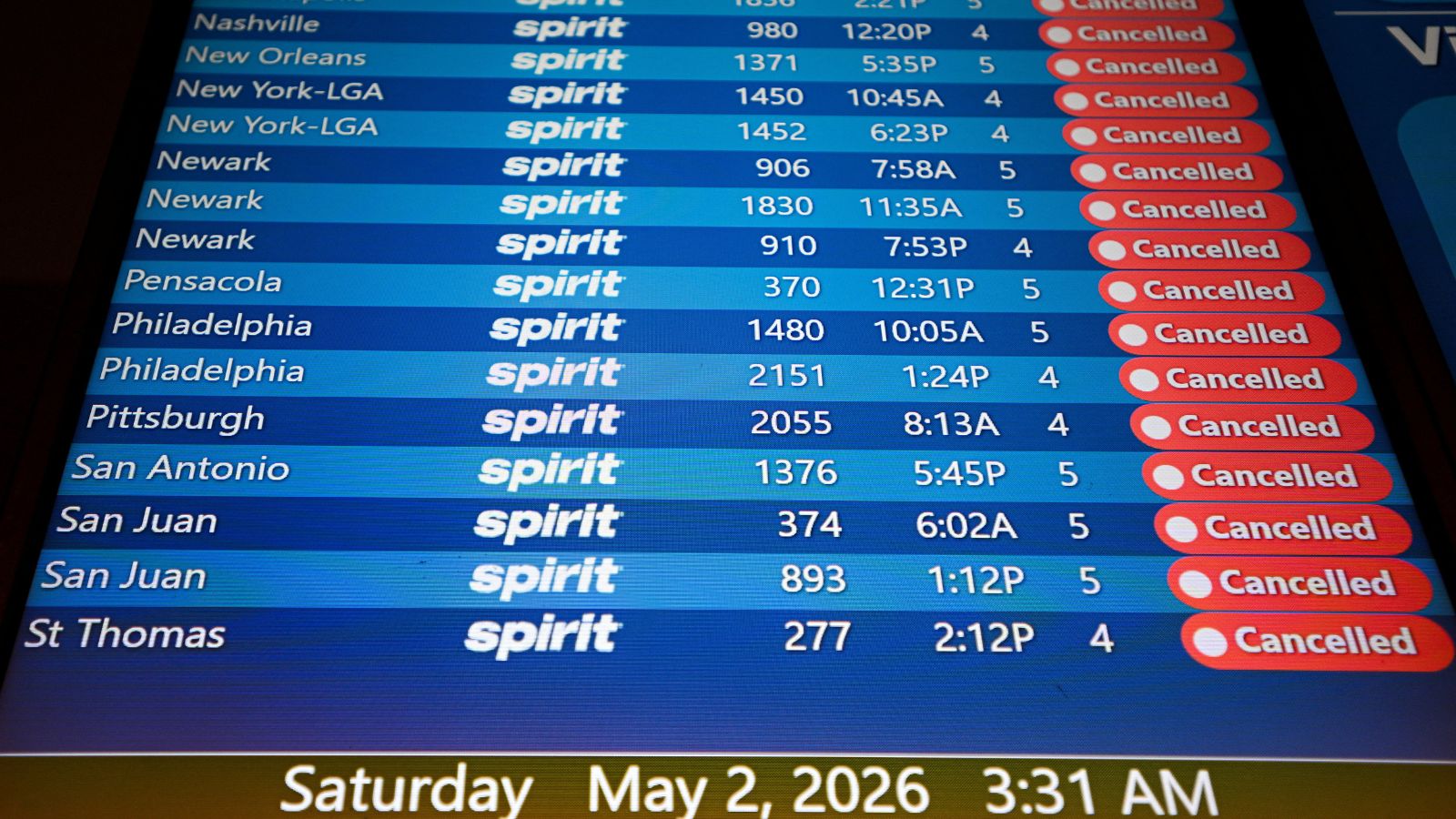
Spirit Airlines is gone. The yellow planes won't be taking off anymore. After years of struggling with debt and failed mergers, the sudden spike in oil prices caused by the conflict in the Middle East finally broke the budget carrier. It's the first major airline to fall since the war in Iran sent fuel markets into a tailspin. If you've been watching the news, you know this isn't just about one company. It's a signal that the era of dirt-cheap air travel is officially over.
The shutdown happened fast. Spirit had already been on life support following the blocked JetBlue merger and ongoing engine issues with its Pratt & Whitney fleet. But when jet fuel prices jumped over 30% in a matter of weeks as regional tensions escalated, the math stopped working. You can't sell $39 tickets when it costs twice that just to fill the tank for a single passenger's seat.
Why the Iran War Fuel Shock Was the Final Blow
Airlines live and die by the cost of kerosene. For a "Ultra Low-Cost Carrier" (ULCC) like Spirit, fuel represents a much higher percentage of operating expenses than it does for legacy carriers like Delta or United. Those big guys have diversified revenue from high-end business class seats and lucrative credit card partnerships. Spirit didn't have that luxury. They relied on volume and thin margins.
When the conflict in the Middle East disrupted global supply chains, the refined product market panicked. It wasn't just about crude oil prices hitting triple digits. It was about the "crack spread"—the difference between the price of crude and the price of the fuel actually used by planes. Refineries were squeezed, and Spirit, already low on cash reserves, couldn't hedge its way out of the mess.
I've seen this play out before during the 2008 financial crisis, but this time it's different. The industry is already leaner. There's no fat left to trim. Spirit had already cut most of its "frills." When the fuel shock hit, they were already running on fumes.
The Problem With the ULCC Model in a War Economy
The budget airline model depends on stability. You need predictable fuel costs and high plane utilization. Spirit's strategy was to keep their planes in the air as much as possible. However, the Iran war didn't just raise prices; it created massive airspace closures. Rerouting flights takes more time and burns more fuel.
Even if Spirit had the cash to survive the immediate price spike, the long-term outlook for cheap oil is grim. Most analysts at firms like Goldman Sachs and Morgan Stanley had been warning that a regional conflict would structurally change energy pricing for years. Spirit was simply the most vulnerable target in the herd.
What Happens to Your Tickets and Miles
If you have a flight booked with Spirit, you're likely staring at a screen full of "Canceled" notifications. In a Chapter 7 liquidation—which is where this is headed—the planes are grounded immediately to preserve asset value for creditors.
Don't expect a quick refund. When an airline shuts down operations like this, customers become "unsecured creditors." This is a fancy way of saying you're at the back of the line behind the banks, the fuel suppliers, and the employees.
- Call your credit card company now. This is your best shot. Most major cards have travel protections or allow you to initiate a chargeback for "services not rendered."
- Check for "rescue fares." Historically, when a major carrier goes under, competitors like Southwest or JetBlue might offer discounted fares to stranded passengers. They do this for the PR win and to grab the market share.
- Forget the Free Spirit miles. In a total shutdown, those loyalty points are basically digital dust. They have zero cash value and won't be honored by other airlines unless a surprise buyer steps in to scoop up the mailing list.
The Ripple Effect Across the Aviation Industry
Spirit's exit creates a massive vacuum in the US domestic market. They were the ones keeping the "Big Four" honest on pricing. If Spirit wasn't flying from Fort Lauderdale to New York for $50, you can bet American and Delta wouldn't feel the pressure to offer basic economy seats at competitive rates.
Expect fares to rise across the board this summer. It's basic supply and demand. We just lost a significant percentage of the total available seats in the US market. With fewer seats and higher fuel costs, the remaining airlines are going to pass every cent of that pain onto you.
We're also looking at a localized crisis for certain airports. Places like Las Vegas, Orlando, and Fort Lauderdale-Hollywood International were Spirit strongholds. Those cities are going to see a dip in tourism numbers as the affordable options vanish. Smaller regional airports that relied on Spirit to connect them to major hubs might lose service entirely.
Is Frontier Next
Everyone is looking at Frontier right now. They use a similar model and face the same fuel pressures. The difference is Frontier has been a bit more aggressive with its "all-you-can-fly" passes and has a slightly different debt profile. But make no mistake, the entire budget sector is under the microscope. If oil stays above $110 a barrel, we might see more than one tailfin disappear from the skies by the end of the year.
The irony is that Spirit actually had one of the youngest, most fuel-efficient fleets in the world. They were flying Airbus A320neos that burn significantly less fuel than older models. But efficiency doesn't matter if you can't pay the interest on the loans used to buy those shiny new planes.
How to Navigate the New High Fare Reality
You need to change how you book travel. The days of waiting until the last minute to snag a $20 deal are over. The Iran war fuel shock is a structural shift, not a temporary blip.
First, stop relying on a single budget carrier for your vacation plans. If you're booking a trip that you absolutely cannot miss—like a wedding or a cruise—pay the extra $80 for a legacy carrier. The peace of mind is worth it when the industry is this volatile.
Second, get a travel insurance policy that specifically covers "financial default" of the carrier. Most people skip the fine print, but in 2026, this is the most important clause in your policy.
Finally, look at alternative hubs. Spirit often flew into secondary airports to save on landing fees. Now that they're gone, those secondary airports might be underserved, but they could also become the new battleground for other low-cost startups trying to fill the void. Keep an eye on Breeze and Avelo. They're smaller, but they might be the only ones left standing in the "cheap seat" category.
The aviation industry is brutal. It's a capital-intensive business that operates on razor-thin margins and is at the mercy of global politics. Spirit Airlines was a pioneer in making flying accessible to people who otherwise couldn't afford it. Their disappearance is a loss for the consumer, even if you hated the "nickel and diming" for water and carry-on bags.
Move your travel funds into a high-yield account and prepare for a sticker-shocked summer. If you have an active Spirit booking, start the chargeback process today. Don't wait for an email from the airline that might never come. Use that refund to book a seat on a carrier with a more stable balance sheet before those prices climb even higher.