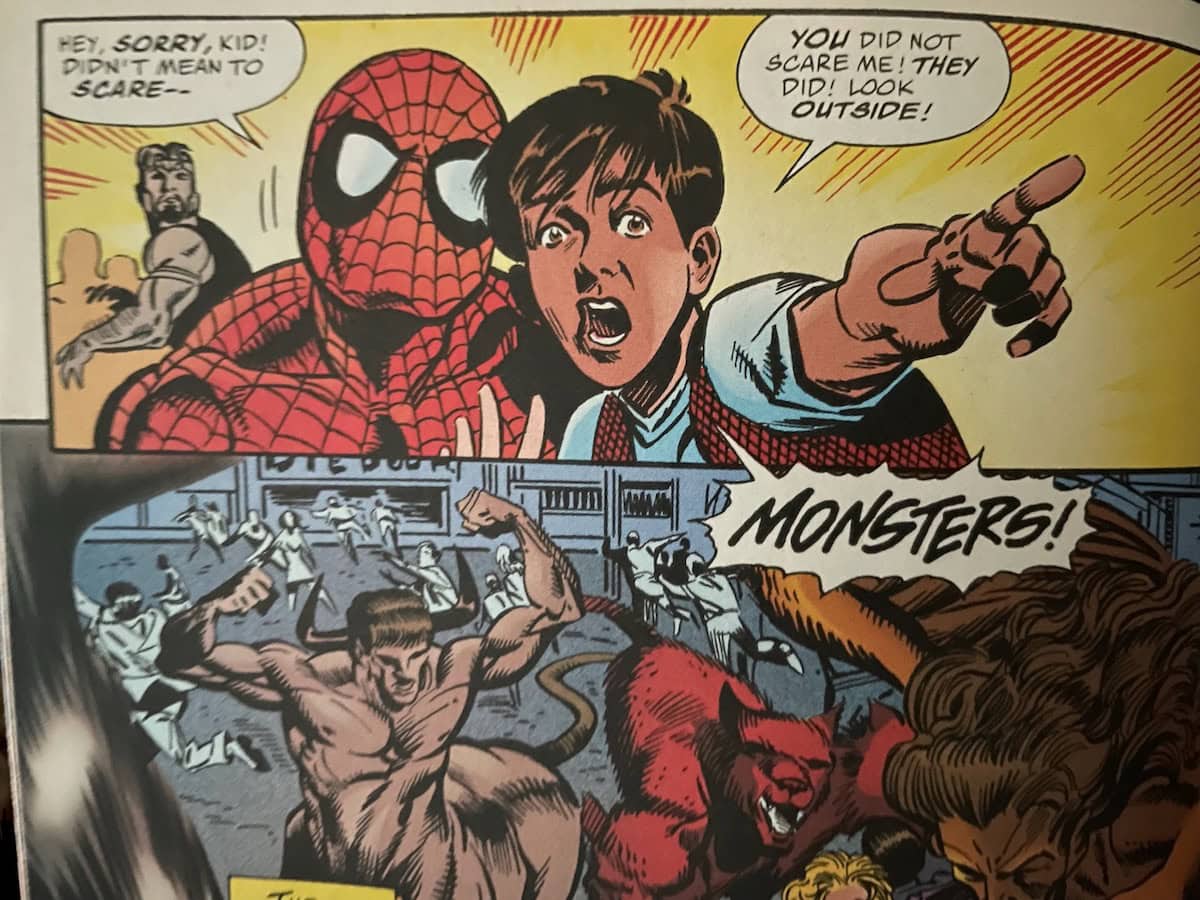
We are currently obsessed with the narrative of the savior. From corporate boardrooms to national capitals, the collective psyche has latched onto the idea that a single, extraordinary individual will swing into action to rectify institutional rot. This is why we consume Spider-Man stories with such fervor. Peter Parker is not just a character; he is a psychological sedative. We watch him struggle against impossible odds because it allows us to outsource our civic responsibilities to a fictional teenager in spandex.
The reality is far more uncomfortable. When we wait for a hero to address systemic failure, we stop demanding accountability from those actually drawing salaries to manage our infrastructure, our economy, and our safety. The superhero archetype serves as a mirror for our own perceived impotence. If the solution requires superhuman strength or magical luck, then the average person is absolved of the burden of organizing, voting, or challenging authority.
The Cost of Escapist Governance
Societies have always relied on myths, but our modern reliance on the savior figure has become a dangerous crutch. Consider how we talk about economic downturns or regulatory capture. We look for a singular figure to step up, whether it is an eccentric billionaire or a charismatic firebrand, hoping they will break the machinery of bureaucracy.
This behavior is rooted in the same impulses that make Spider-Man films box office juggernauts. We crave the simplicity of a binary struggle between good and evil. Real-world governance is gray, tedious, and often infuriatingly slow. It involves committees, budget hearings, and the granular work of oversight. There is no web-slinging fix for decaying urban transit or stagnant wages.
When we treat political figures like comic book icons, we distort the democratic process. We applaud the performative gestures—the dramatic speech, the viral confrontation—while ignoring the lack of substantive policy output. A leader who acts like a comic book protagonist is usually a leader who is failing to do their actual job.
Why We Prefer Masks to Accountability
The popularity of the superhero genre reflects a specific fatigue. People are tired of the machinery of modern life feeling unresponsive. When a fictional character cleans up the streets in two hours of screen time, it offers a catharsis that real life rarely provides. But this catharsis is a trap. It conditions the audience to accept a model of leadership based on unilateral authority.
In a functioning republic, power is supposed to be dispersed, checked, and balanced. That is by design, not by accident. Yet, we increasingly mock these constraints as "red tape." We pine for someone to cut through it all. We forget that the same mechanism meant to slow down a tyrant is the one meant to protect the minority and ensure stability. When we demand a hero, we are secretly wishing for an end to the very processes that keep our society from collapsing into autocracy.
The Myth of the Individual Agent
Look at the history of social change. Major advancements rarely arrive because one person possessed unique powers. They arrive through the grinding, unglamorous persistence of thousands of people working in alignment. Civil rights movements, labor reforms, and environmental protections were not won by caped crusaders. They were won by organizers who understood that the only way to beat a Goliath was to build a bigger army of Davids.
The Spider-Man myth specifically emphasizes the solitary nature of the struggle. Even when he works with teams, the weight of the world always ends up on his shoulders. He is the quintessential lone wolf. This individualism is toxic to civic health. It tells the viewer that if you aren't the one making the big change, you aren't doing enough. Conversely, it tells you that if you are just a regular citizen, your input is secondary to the actions of the "exceptional" few.
We need to stop evaluating our leaders based on their ability to embody this lone-wolf energy. The trait we should be hunting for is not heroism; it is competence. We need boring, methodical managers who respect the rules and build coalitions. We do not need people who promise to save us. We need people who will facilitate the systems that allow us to save ourselves.
Breaking the Narrative Cycle
The danger here is that we are training the next generation to view politics through the lens of entertainment. When voters expect a protagonist, they will be easily manipulated by anyone who knows how to craft a compelling origin story. A politician who frames themselves as the underdog fighting a shadowy cabal is using the exact same script as Peter Parker. It is effective, it is emotive, and it is entirely detached from the reality of governing a complex state.
If we want to strip the power away from these populist figures, we have to start by changing our vocabulary. We must stop using terms like "fight," "battle," and "rescue" when describing municipal zoning or tax reform. These are administrative tasks, not combat operations. They require spreadsheets, not superpowers.
The Shift Toward Civic Realism
Recognizing the hero-trap is the first step toward reclaiming agency. When we stop looking for a savior, we start looking at the fine print of legislation. We start tracking local budgets. We start attending meetings that offer no glamour and no grand speeches, but which dictate the quality of our daily lives.
There is no rescue coming. The infrastructure is not going to fix itself while we wait for a visionary to appear on the horizon. The people currently in power rely on our penchant for escapism. As long as we are busy debating which fictional character would handle a crisis better, we are not looking at the ledger, we are not auditing the contracts, and we are not holding the board members accountable for the current failures.
We have to accept the limitations of the human agent. No human being is designed to bear the weight of a city’s salvation on their back. When we stop demanding that our leaders be heroes, we might finally get the chance to demand that they be competent employees. The transition from fan to citizen is perhaps the most difficult journey any individual can take, as it requires the death of the easy, comforting delusion that someone else has it under control. The next time you find yourself wishing for a hero to set things right, look at the local city council agenda instead; that is where the real work of your life is actually being negotiated.