The global aviation map just got redrawn, and it wasn't by a boardroom of airline executives. It was by missiles and closed airspaces. For decades, the "Big Three" Gulf hubs—Dubai, Doha, and Abu Dhabi—were the undisputed kings of the Kangaroo Route and the primary bridge between Europe and Asia. But the escalating war in Iran has shattered that reliability.
If you've tried booking a flight from London to Sydney or Berlin to Singapore lately, you've seen the chaos firsthand. Ticket prices are jumping 20% to 40% overnight. Middle Eastern airspaces have become no-go zones, forcing carriers to choose between four-hour detours or grounded fleets. While the Gulf hubs scramble to manage cancellations, Southeast Asia’s aviation giants, specifically Singapore and Bangkok, are quietly absorbing the overflow and cementing their status as the world’s new primary transit points.
The Death of the Middle East Shortcut
It’s not just about avoiding a war zone; it’s about the brutal math of fuel and time. Before the current conflict, transiting through Dubai was the gold standard for efficiency. Now, that "shortcut" is a logistical nightmare.
When Iran closed the Strait of Hormuz and regional airspaces shuttered, the "critical bridge" of the Middle East effectively broke. Airlines like Emirates and Qatar Airways, which built their entire business models on being the world’s connecting point, are facing unprecedented pressure. In March 2026, we saw nearly 100 flights a day canceled or diverted away from Gulf hubs.
For a passenger, a detour isn't just a minor annoyance. It means:
- Increased Fuel Burn: Carriers are carrying massive fuel loads to account for emergency diversions.
- Extended Flight Times: Routes that used to take 12 hours are now pushing 15 or 16.
- Sky-High Fares: In the first week of March alone, US and European carriers hiked prices by 24% to cover the surge in jet fuel costs, which doubled in some markets.
Why Changi and Suvarnabhumi are Thriving
Singapore’s Changi Airport and Bangkok’s Suvarnabhumi aren't just "backup options." They're becoming the primary choice for travelers who value certainty over a slightly shorter flight path.
Data from corporate travel agencies shows a 38% jump in bookings for non-stop flights between Europe and Australia transiting through Singapore. People are tired of the "wait and see" game with Middle Eastern airspace. They want a route that won't be canceled by a headline at 3:00 AM.
Singapore’s Capacity Play
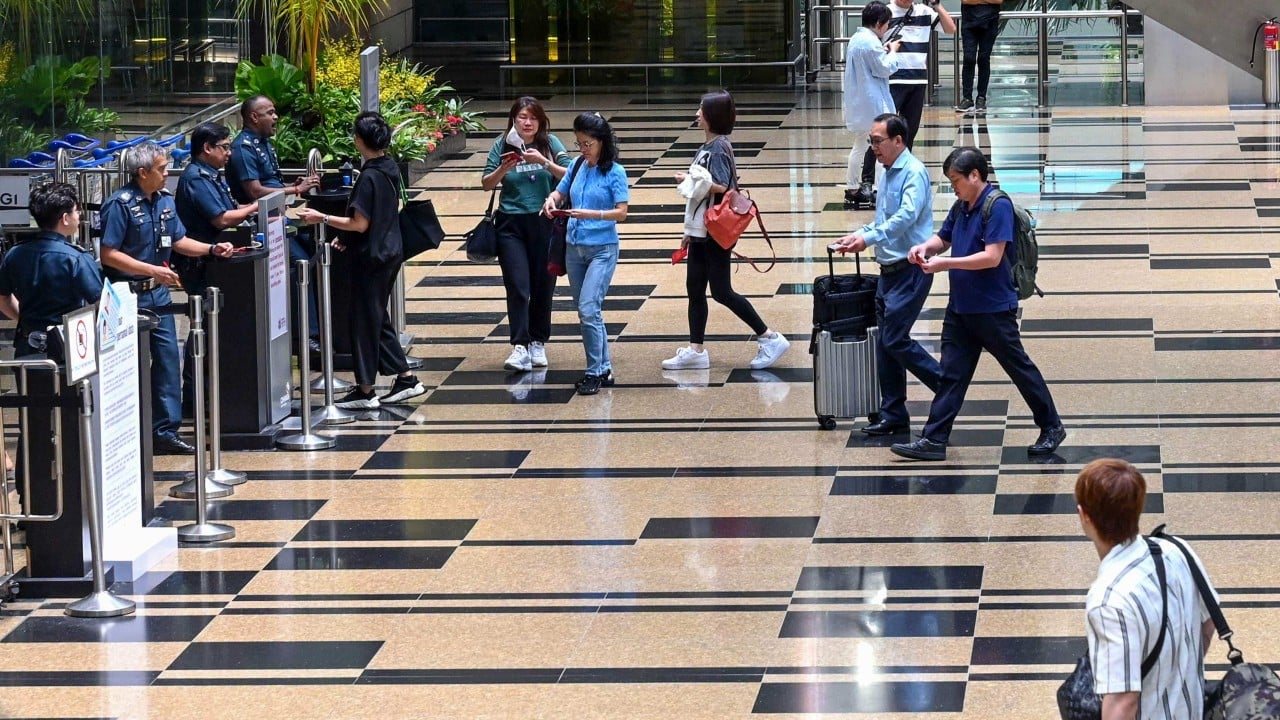
Changi Airport is currently a masterclass in crisis management. While Gulf-bound services are being slashed, Singapore Airlines has been busy adding capacity. In March 2026, the airport added 46 new services to European cities. If you walk through Terminal 3 today, you’ll see flights to London and Paris that are 100% full—not just with tourists, but with displaced transit passengers who used to fly through Doha.
Bangkok as the Stable Alternative
Thai Airways and other regional players have kept their European schedules remarkably stable. Bangkok has always been a leisure heavyweight, but it’s now maturing into a critical strategic hub for the long-haul market. Because it sits further south and east of the immediate conflict zone, it offers a "safe corridor" that bypasses the volatility of the Persian Gulf entirely.
The Fuel Squeeze is the Real Villain
While the headlines focus on missiles, the real war for airlines is being fought at the fuel pump. Southeast Asia isn't immune to this, but the impact is different.
The closure of the Strait of Hormuz blocked the crude oil that feeds Asian refineries. This created a "jet fuel squeeze" that has grounded planes from Vietnam to New Zealand. Korea Air has entered emergency management mode, and Philippine Airlines is reportedly scrambling for fuel supplies beyond the summer.
However, Singapore’s position as a global refining powerhouse gives it a slight edge. While prices are high everywhere, the physical availability of fuel at a primary hub like Changi is more secure than at smaller, secondary airports. Carriers are now prioritizing hubs where they know they can actually fill the tank, even if it costs a premium.
Misconceptions About the Pivot
Most people think this shift back to Southeast Asia is temporary. They assume that as soon as the "Do Not Travel" advisories for the Middle East lift, everyone will go back to Dubai. I don't think it’s that simple.
Aviation is an industry built on risk assessment. When a hub as dominant as Dubai gets "stress-tested" and fails—even for reasons outside its control—it leaves a scar on the industry's collective memory. Airlines are already discussing a "hybrid network strategy." This means they won't put all their eggs in the Middle Eastern basket again. They’re diversifying, and that means long-term investment in Southeast Asian slots and infrastructure.
What This Means for Your Next Trip
If you're planning travel in 2026, the "Golden Age" of cheap, 12-hour layovers in the Gulf is over for now. Here’s the reality you’re facing:
- Book Early or Pay the "Conflict Tax": Prices for flights through Singapore and Bangkok are trending 40% higher than last year. There is no sign of them dropping as long as demand outstrips the available seats.
- Check Your Carrier’s Fuel Surcharge: Cathay Pacific and Singapore Airlines have already boosted surcharges by hundreds of dollars per round trip. Read the fine print before you hit "buy."
- Look for "Safe Corridor" Routing: If you’re flying from Europe to Asia or Australia, look for flights that explicitly avoid the Middle East. It might look like a longer path on a flat map, but it’s the only way to guarantee you won't be stranded in a terminal waiting for an airspace to reopen.
The pivot to Southeast Asia is a structural change born of necessity. While the Middle East will eventually recover, the dominance of hubs like Changi and Suvarnabhumi is no longer just a regional success story—it’s the new backbone of global flight.