The tea goes cold in the glass. It always does, because the conversation keeps getting interrupted by the sound of boots on gravel outside.
You learn to read the silence in Muzaffarabad. Not the peaceful kind that settles over the mountains at dusk, but the heavy, anxious quiet that follows a midnight raid. It is a quiet pregnant with unasked questions and phone calls that never connect. When the internet drops to a crawl and the local baker refuses to look you in the eye, you know the parameters of daily life have shifted again.
Across the territory known as Pakistan-administered Kashmir, or PoK, the air smells of woodsmoke and tear gas. This is not a metaphor. For weeks, ordinary citizens—shopkeepers, university students, mechanics, and teachers—have stepped out onto the asphalt to protest spiraling electricity bills and punishing wheat flour shortages. They did not ask for geopolitics. They asked for basic arithmetic to make sense. They asked why a land that generates hydroelectric power for half a nation must sit in darkness, and why a loaf of bread now costs more than a day's labor.
The response came not with a ledger, but with batons.
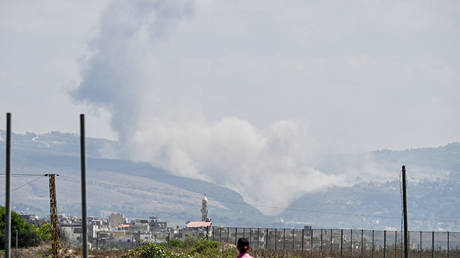
Consider what happens when a government answers economic desperation with a security crackdown. Streets that once echoed with the clatter of commuter rickshaws filled with the sharper, more terrifying pop of rubber bullets and live rounds. Tear gas canisters landed in residential courtyards, smoking among laundry hung out to dry.
Amid this rising tide of state suppression, political factions have begun scrambling. Recently, regional political leadership stepped forward with an urgent appeal to the United Nations, demanding immediate international intervention to halt the violence, lift the communications blackouts, and release detained protesters.
They are late. But they are speaking.
To understand why this matters to anyone outside the winding mountain passes of the Neelum Valley, you have to look past the dry wire service reports. You have to look at the human cost of administrative inertia.
Imagine living in a place where your power grid is a ghost. You pay for electricity you do not receive, and when you march to demand accountability, you are branded a threat to national security. The Joint Awami Action Committee, a coalition that spearheaded these recent demonstrations, found itself facing the full weight of the state apparatus simply because people wanted affordable electricity and subsidized wheat.
The government called it law and order. The people called it survival.
When political parties appeal to global bodies like the UN, they are engaging in a desperate form of diplomatic theater. They know the limitations of international resolutions. They know that massive bureaucratic bodies move at the speed of glaciers, especially when dealing with disputed territories sitting on nuclear flashpoints. Yet, making that call is the only loudspeaker left when the local frequencies have been jammed and the streets have been cleared by force.
There is an eerie predictability to how these crises unfold. First comes the economic squeeze: inflation bites, subsidies vanish, and utility bills double overnight. Next comes the murmur of discontent in tea stalls. Then, the march. And finally, the heavy-handed state response—curfews, arrests, internet blocks, and appeals to external powers.
We have watched this script play out in various corners of South Asia for decades. But the current wave in PoK feels sharper, driven by an acute post-pandemic economic hangover that has collided with institutional neglect. The people aren't debating accession lines or constitutional articles while the tear gas is clearing; they are counting the bruises on their children and wondering how to pay for next week's flour.
Political parties calling on the UN are trying to pierce a wall of domestic censorship. When local media is cowed or muted, international pressure becomes the only mirror reflecting the state's actions back to itself. It is a public relations lifeline tossed into a turbulent sea.
Yet, the UN can do little more than issue statements of concern unless major geopolitical actors decide the humanitarian crisis outweighs strategic calculations. And right now, the strategic calculations keep everyone looking the other way.
The sun sets behind the Pir Panjal range, casting long, bruised shadows across the valley. Down in the town square, a group of young men sweep up the shattered glass from a broken storefront, working in absolute silence. No speeches. No slogans. Just the steady scrape of brooms against stone, waiting for the next dawn.