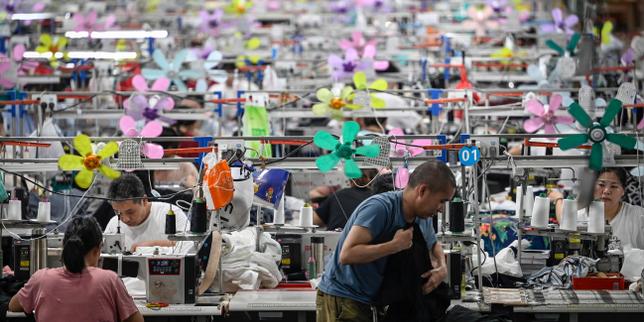
Modern retail economics forces an uncomfortable realization upon traditional supply chain designers: speed beats prediction. For decades, apparel conglomerates operated on a forecast-driven model, attempting to project consumer demand months in advance through historical trends, regional data, and seasonal planning. This approach carried structural liabilities. Excess inventory required markdowns, misaligned trend forecasts resulted in dead stock, and long lead times locked capital into static assets. Shein bypassed this entire paradigm by constructing a demand-sensing engine that treats design as a variable input rather than a fixed prediction. With reported revenues reaching forty-two billion dollars, one billion annual orders, and a catalog expansion rate exceeding four thousand items per day, the enterprise operates less like a clothing retailer and more like a high-frequency trading platform for textiles.
Understanding this operational scale requires dissecting the mechanics that enable it. The conventional apparel cycle takes anywhere from six to nine months from initial design to retail floor placement. Shein compresses this window into days. Achieving this velocity demands a complete inversion of traditional manufacturing logic, shifting the bottleneck from production capacity to digital feedback loops. For a deeper dive into this area, we suggest: this related article.
The Demand Sensing Feedback Loop
The core engine of ultra-fast-fashion relies on micro-batch production and real-time behavioral telemetry. Traditional retailers produce thousands of units per style to achieve economies of scale during manufacturing. Shein produces runs as small as one hundred to two hundred items per new design.
This micro-batch strategy functions as an industrial-scale validation test. When a new design drops onto the digital storefront, the platform monitors user interactions with ruthless precision. Algorithms track click-through rates, add-to-cart velocity, wishlist additions, and dwell time. The physical production run serves primarily as a digital sensor. If an item generates sufficient user signals within a precise hourly window, the automated manufacturing trigger activates, routing larger production orders to supplier networks. If the design fails to meet engagement thresholds, production halts permanently, leaving minimal excess inventory to liquidate. For broader context on this topic, detailed analysis is available at Forbes.
This approach transforms inventory risk from a financial liability into a minor operational cost. The traditional model views mistakes as expensive errors spread across massive production volumes. The ultra-fast model treats failures as cheap data points within a broader automated discovery pipeline.
The Fragmented Supplier Ecosystem and Just In Time Logistics
Scaling a catalog by thousands of daily variations cannot be accomplished through traditional mega-factories. Large manufacturing facilities thrive on long, predictable production runs of standardized garments. They falter when forced to handle frequent style switches, specialized small-batch stitching, and rapid fabric changes.
Shein solved this structural constraint by building a localized, highly fragmented supplier network clustered primarily around Guangzhou's manufacturing hubs. These suppliers operate under tight integration with proprietary enterprise resource planning software provided by the platform.
The software standardizes every variable of garment construction, from pattern grading to thread allocation. When a micro-batch hits a performance threshold, the digital system automatically dispatches specifications, fabric requirements, and production quotas to contracted workshops that have integrated their operations into the central infrastructure. These suppliers operate on strict delivery timelines, often measured in days. Financial incentives and penalties are automated, ensuring compliance without the friction of prolonged contract negotiations.
The physical proximity of these suppliers to centralized consolidation warehouses eliminates long-distance transit delays during the initial validation phase. Once assembled, items flow directly into air-freight logistics channels optimized for direct-to-consumer parcel shipping. By bypassing traditional wholesale distribution centers, regional retail hubs, and local storefronts, the supply chain eliminates multiple layers of markup and physical handling time.
Unit Economics of the Micro Batch Model
The financial architecture of this business model rests on aggressive digital acquisition strategies, low fixed capital costs in physical retail, and direct consumer relationships.
Traditional apparel brands allocate substantial capital to physical real estate, flagship store buildouts, long-term commercial leases, and regional inventory positioning. These fixed costs create a high breakeven threshold, requiring sustained sales volume across physical footprints. Shein operates with zero brick-and-mortar retail footprint. Capital expenditure is concentrated in software infrastructure, algorithmic development, automated logistics processing, and performance marketing.
The unit economics of individual garments reflect hyper-efficient supply chain execution combined with low raw material costs. However, profitability per SKU is secondary to portfolio turnover velocity. Because the platform captures consumer data directly, it avoids the steep customer acquisition costs associated with third-party wholesale channels. Every transaction feeds behavioral data back into the discovery engine, lowering future marketing friction and improving conversion efficiency over time.
Customer acquisition relies heavily on digital ecosystem integration, algorithmic feed optimization across social platforms, and gamified shopping mechanics. By embedding the shopping experience within high-engagement digital environments, the platform maintains a continuous loop of user attention without relying on traditional seasonal advertising campaigns.
Operational Bottlenecks and Structural Vulnerabilities
Despite its operational velocity, this business model faces distinct structural ceilings and systemic risks.
Regulatory friction represents a primary vulnerability. The reliance on direct-to-consumer air freight parcel shipping exploits historical de minimis tariff thresholds in major consumer markets such as the United States and the European Union. These exemptions allow low-value packages to enter countries duty-free and with minimal customs inspection. As regulatory bodies scrutinize these thresholds to protect domestic retail industries and curb environmental waste, any policy shift that imposes standard customs duties or mandatory compliance audits on individual parcels will directly compress margins.
Environmental sustainability mandates create an escalating operational cost. The sheer volume of micro-batch production generates significant textile waste and carbon output. While consumer demand has historically prioritized price and variety over ecological impact, tightening regulatory frameworks regarding extended producer responsibility and carbon pricing will force structural adaptations in material sourcing and end-of-life disposal protocols.
Intellectual property friction presents an ongoing legal and operational drag. The speed of algorithmic design generation frequently results in aesthetic overlap with independent designers and established brands. While legal costs are absorbed as a standard cost of doing business, persistent intellectual property challenges can constrain supplier flexibility and damage brand equity among demographic segments that value originality.
Labor scrutiny within the fragmented supplier network introduces operational risk. Managing thousands of independent sub-contractors limits direct oversight of working conditions, safety standards, and wage compliance. Any failure in supply chain transparency can trigger immediate reputational fallout and targeted regulatory investigations.
Strategic Outlook
The trajectory of ultra-fast-fashion depends on its ability to transition from raw velocity to structural efficiency as regulatory pressures mount. Future optimization will not come from increasing daily SKU volume, but from predictive accuracy that reduces wasted micro-batch production runs before they enter the manufacturing queue.
Integrate automated compliance checks into the digital design phase to filter out potential intellectual property violations prior to algorithmic testing. Establish regional micro-warehousing closer to core consumer clusters to mitigate vulnerabilities associated with direct-to-consumer air freight tariffs.