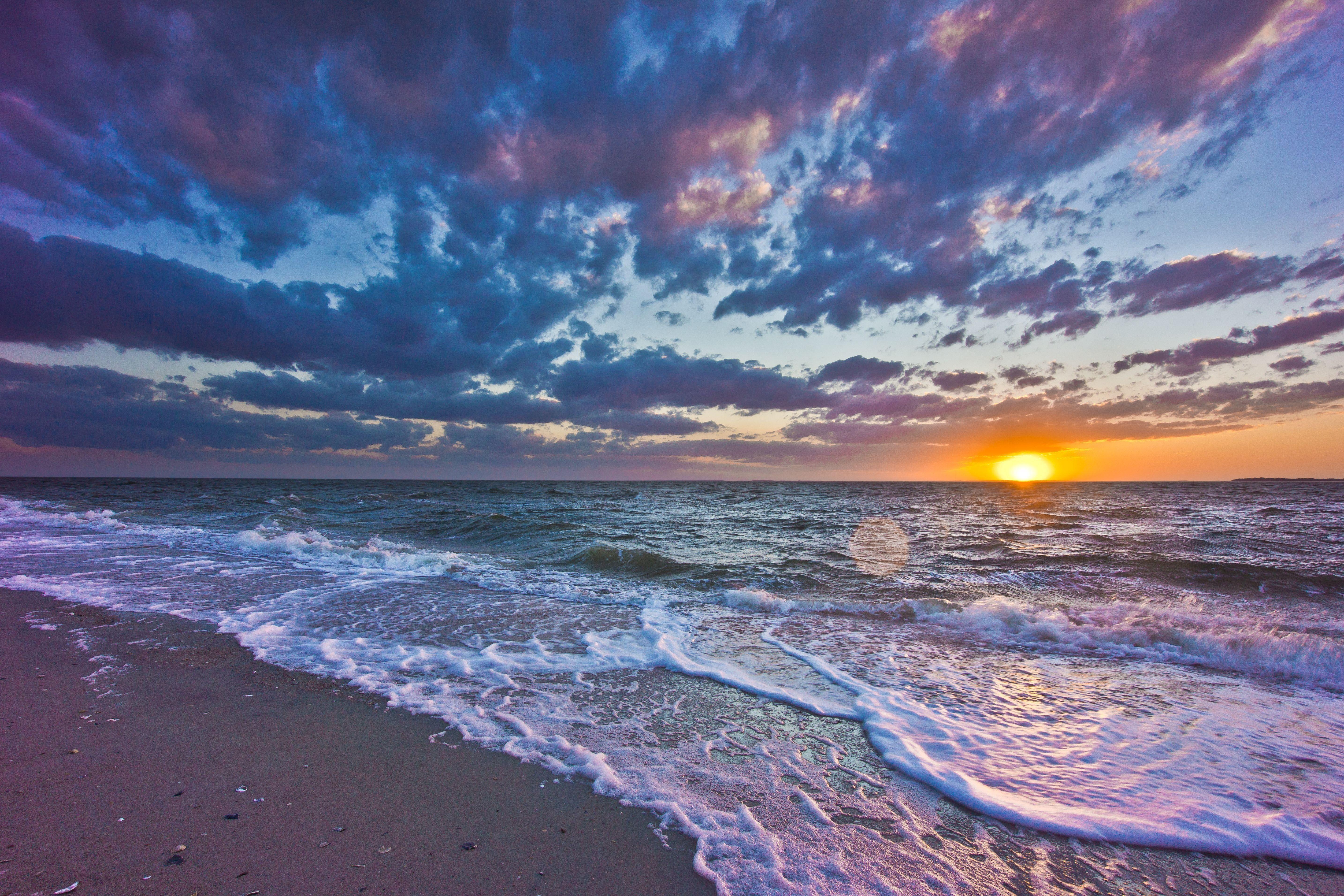
The water off the coast of Greece does not look like a graveyard. In the pamphlets handed out in travel agencies or plastered across glossy billboards, the Aegean is a shade of blue so deep it hurts the eyes, flecked with the white crests of afternoon waves and kissed by an unhurried Mediterranean sun. Tourists lean over the rails of ferries, glasses of retsina clinking, pointing out the jagged silhouettes of distant islands. They smell salt and fried fish. They listen to the gull cries.
They do not smell fear. They do not hear the sound of thirty people bailing water out of a rubber dinghy with their bare hands in the pitch-black hours before dawn.
Water has a way of washing things clean too quickly. When a boat goes down in the dark—when a overloaded hull slips beneath the surface under the weight of desperation—the surface closes almost instantly. There is a brief, frantic churning of white foam, a few floating plastic water bottles, perhaps a child's single shoe bobbing on the swell, and then silence. The sea resumes its timeless rhythm, indifferent to the lives it has just swallowed.
Behind the stark bulletins of international wire services—the cold, clinical numbers reporting that at least one person is dead and twenty-five more are missing after yet another migrant vessel sank—lie the frayed edges of human endurance. These are not statistics drifting through a bureaucratic vacuum. These are people who packed their entire existence into waterproof bags and trusted a strip of vulcanized rubber to carry them across a liquid abyss.
Consider what it takes to make that choice.
Imagine staring at a horizon that offers you nothing: no work, no safety, no future for your children, the walls of your home either reduced to rubble by artillery or hollowed out by economic ruin. Behind you is a war or a hunger that knows your name. Ahead of you is a rumor. A whispered promise from a smuggler who demands every last coin your family managed to scrape together, selling passage on a vessel that wouldn't pass inspection for a farm pond, let alone an open sea passage.
You step off the dock. The rubber groans under the weight. There are too many of you. There are always too many. The engine coughs, stutters, catches, and then begins its monotonous, deafening drone against the dark.
For hours, time loses its shape. There is only the wind howling in your ears, the freezing spray stinging your skin, and the terrifying realization that the dark water is only an inch away from your ankles. When the hull finally tears on a hidden reef or the overloaded tubes buckle under the pressure of the waves, panic doesn't arrive as a scream. It arrives as a paralyzing cold.
Rescue is a gamble played out in fractions of a minute.
When the Hellenic Coast Guard or passing cargo vessels receive the distress call, they are thrust into a race against geography and physics. The Aegean is a labyrinth of treacherous currents, rocky islets, and shifting winds. By the time a cutter cuts through the black water to reach coordinates scrawled hastily on a satellite phone, the sea has already rearranged the scene.
Search and rescue operations in these waters are a masterclass in heartbreak. Helicopters sweep the night with blinding beams of white light, their rotors beating a frantic rhythm against the gale. Below, spotters press their faces against cold glass, scanning the ink-black troughs for anything—a flicker of orange from a life jacket, a raised hand, a human shape bobbing in the wash.
Most of the time, they find empty water.
And then come the aftermaths. The survivors pulled from the brine are wrapped in emergency silver foil blankets, shivering so violently their teeth chatter like castanets. They are handed warm cups of tea by volunteers whose eyes betray a profound, helpless exhaustion. These volunteers have seen this script play out a hundred times before. They know the names will blur together in the evening news cycles. They know the outrage will flare for forty-eight hours and then subside, replaced by the next domestic crisis or political squabble.
The twenty-five missing souls from this latest sinking will not receive a proper burial. Their names will be whispered by grieving relatives thousands of miles away in kitchens that smell of cardamom and dust, wondering if the phone will ever ring with news of a miracle. But miracles are rare in the migration corridors of the Mediterranean. Here, the currency is grief, paid out in installments of prolonged silence.
We treat migration as a policy debate. We draw lines on maps, argue over jurisdictional boundaries, parse legal definitions of asylum, and weaponize human suffering for domestic political gain. We talk about security, deterrence, border walls, and naval patrols as if we are managing inventory in a warehouse rather than presiding over a humanitarian hemorrhage.
The human element is invariably buried beneath the jargon.
When a boat sinks off the coast of Greece, it is not merely an incident at sea. It is a symptom of a world profoundly out of joint—a world where the disparity between where you happen to be born dictates whether you must risk your life in an inflatable dinghy just for the right to draw breath in safety.
The sea does not care about our laws. It does not recognize passports or visas. It operates on weight, buoyancy, and gravity. And every time a vessel slips beneath its surface, taking fathers, mothers, dreamers, and children with it, the sea absorbs our collective failure.
As the sun rises over the Aegean, turning the water from slate-gray back to that brilliant, deceptive blue, the rescue cutters turn back toward port. The helicopters bank and head for base. The shore is quiet.
Somewhere out there, beneath the gentle lap of the waves against the sand, the silence remains absolute, holding fast to secrets the world refuses to look in the eye.


