You pack your gear, tie your shoes, and step up to a classic route you've climbed dozens of times. Then, the mountain drops out from underneath you.
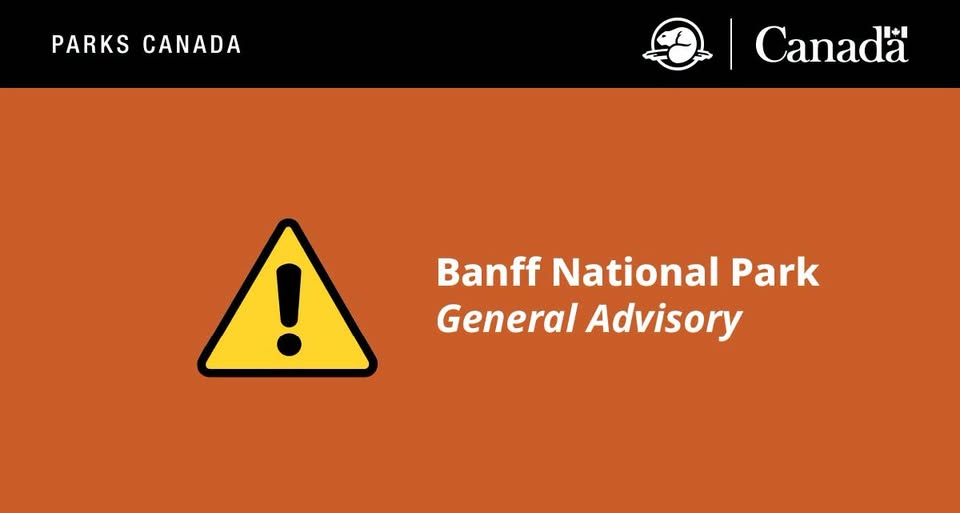
That almost happened to several athletes in Banff National Park. A massive rockfall just ripped through the Rundle Rock climbing area. It sent huge boulders crashing down right where people normally spend their Tuesday mornings bouldering and sport climbing.
The slide happened around 11 a.m. on Tuesday, July 7, 2026. Emergency crews, park wardens, and a STARS air ambulance rushed to the scene near the Fairmont Banff Springs golf course road. Initial reports from the Bow Valley Mountain Club indicate that the start of the notorious "Ridge of Death" route appears to be completely wiped out.
Miraculously, nobody died. Parks Canada confirmed that all known climbers and hikers in the area were safely accounted for with zero reported injuries. But the incident triggered an immediate lockdown of one of the park’s most accessible crags.
If you recreate in the Canadian Rockies, this isn't just a local news blurb. It's a stark reminder of what happens when old mountains start moving faster.
The Extent of the Closure
Parks Canada didn't hesitate to shut down the zone. They pulled golfers off the nearby Fairmont course and blocked the access roads. The current closure spans from the Spray River bridge all the way through the Golf Course Road loop.
This means a lot more than just missing your afternoon bouldering session. The ban applies to everyone: climbers, hikers, and pedestrians. Popular multi-pitch and sport zones like Rundle Rock, Rundlehorn, MacLab Slab, and Goldrush are entirely off-limits while teams manage the mess.
While the main golf course road reopened to vehicles the following morning, the actual climbing walls and the technical terrain underneath them remain strictly closed. Geotechnical experts are currently assessing the cliffs to figure out if more overhead hazards are waiting to drop. Do don't try to sneak in for a look. It's actively unstable.
Why the Rockies Are Crubling
People call the Canadian Rockies "choss" for a reason. The limestone and shale that make these peaks so beautiful are notoriously loose. When you climb here, you accept a baseline level of risk that the rock might break.
What caused this specific slide? Parks Canada hasn't given an official reason yet. Geologists point to a mix of heavy rain cycles, shifting seasonal temperatures, and the basic physics of freeze-thaw erosion. When water gets into limestone cracks, freezes, and expands, it acts like a wedge. Eventually, gravity wins.
A recent climate report for Banff National Park forecasted a steady three- to six-degree temperature increase for the region. Warmer winters and intense summer heatwaves accelerate the degradation of permafrost and ice lenses holding these steep rock faces together. We aren't just looking at a freak accident; we're watching the acceleration of natural mountain erosion.
What You Need to Do Next
If you have a trip planned to Banff or live in the Bow Valley, you need to pivot your plans immediately.
Check the active trail restrictions and important bulletins on the Parks Canada website before you leave the house. Do not ignore the closure tape at the Spray River bridge.
If you need a climbing fix, move your plans away from Mount Rundle. Head over to the Bow Valley crags near Canmore, or check out Grassi Lakes and Heart Creek, keeping in mind that rockfall risk is elevated everywhere after heavy rains.
Always wear a helmet. Even if you're just belaying at the base of a sport route, a baseball-sized rock dropped from 30 meters can be fatal. If you hear a loud crack or a rumbling sound that sounds like a freight train, don't look up to see what it is. Run toward shelter or press yourself flat against the wall if you're on a route.