Stop crying over bypassed asphalt.
For decades, we have been fed a diet of pure, unadulterated nostalgia about America’s highway system. The narrative is always the same: a warm, fuzzy tale of a small town bypassed by the cold, unfeeling interstate, only for a heroic local octogenarian to paint a few signs, revive a neon-lit diner, and bring the tourists back.
It is a beautiful story. It is also an economic dead end.
The obsession with resurrecting Route 66 is not just a harmless hobby for retirees. It is a distraction from the brutal economic realities facing rural America. By trying to turn dying towns into living museums for boomer tourists, we are trapping these communities in a low-wage, seasonal tourist economy that cannot support families, cannot fund schools, and cannot survive the next recession.
It is time to bury the ghost of the Mother Road and talk about how we actually build a future for the communities it left behind.
The Dangerous Myth of the Golden Age
The standard lamentation goes like this: Route 66 was a vibrant artery of local commerce where every gas station owner knew your name, destroyed overnight by Dwight D. Eisenhower’s Federal Aid Highway Act of 1956.
This is a complete rewriting of history.
Route 66 was not a pastoral paradise. By the 1950s, it was an inefficient, congested, and lethal strip of concrete.
- The Safety Nightmare: The road was notoriously dubbed "Bloody 66." It was a patchwork of narrow lanes, blind curves, steep mountain passes, and unlit stretches. Head-on collisions were a daily occurrence.
- The Bottleneck: Heavy freight trucks crawled through the main streets of hundreds of tiny towns, idling at traffic lights, spewing soot, and grinding local commerce to a halt.
- The Monopoly: The highway did not distribute wealth evenly. It concentrated it in a tiny strip of roadside businesses—motels, diners, and gas stations—while ignoring the broader regional economy.
When the interstates bypassed these towns, they did not destroy them. They freed them from a chaotic, dangerous transit system.
The Interstate Highway System was the greatest engine of wealth creation in American history. It reduced shipping costs, slashed travel times, and saved hundreds of thousands of lives. To mourn Route 66 because a few souvenir shops closed is like mourning the pony express because the telegraph arrived.
The Zombie Economy of Nostalgia Tourism
I have spent years analyzing municipal budgets and regional development plans. I have sat in dusty town halls where local officials pitch "historic preservation" as their primary economic development strategy.
Here is what they do not tell you: Nostalgia tourism is a terrible business model.
Let’s look at the actual economics of a Route 66 "revival."
Imagine a scenario where a bypassed town of 2,000 people manages to get designated as a historic landmark. They paint a giant Route 66 shield on the road. They restore a 1940s gas station. They wait for the tourists.
What actually happens?
1. The Revenue is Seasonal and Fragile
Tourists do not road-trip through Oklahoma or New Mexico in freezing January or blistering July. The entire economy must survive on a brief three-to-four-month window. If gas prices spike, or if there is an economic downturn, that window slams shut.
2. The Jobs are Low-Wage and Dead-End
A preservation economy relies almost entirely on the service sector. It creates jobs for:
- Diner waitstaff
- Motel cleaners
- Gift shop cashiers
These are minimum-wage, part-time positions without healthcare or pension benefits. You cannot raise a family on the tips from a retro milkshake bar. You cannot keep young, ambitious college graduates in your town by offering them a career selling plastic license plates and tin signs made in overseas factories.
3. The Demographics are Dying
The demographic driving Route 66 tourism is aging rapidly. The travelers who remember the 1950s and 1960s are shrinking in number every year. Younger generations do not share this specific nostalgia. They are not interested in spending their vacation days driving 45 miles per hour behind a motorhome to look at a rusty gas pump.
"Preserving a town as a museum piece does not save the town. It merely taxidermies it."
Why Bypasses Weren't the Real Killer
We blame the interstate for the death of rural towns because it is an easy, visible villain. But the decline of these communities was driven by much larger, structural forces that a highway could never fix.
The consolidation of agriculture replaced thousands of family farms with automated, corporate operations. The decline of manufacturing shipped local jobs overseas. The rise of big-box retailers decimated main street businesses far more effectively than any highway bypass ever did.
+--------------------------------------------------------+
|             THE STRUCTURAL DECLINE OF THE TOWN          |
+--------------------------------------------------------+
|                                                        |
|  [Agricultural Consolidation] -> Fewer local families  |
|                                                        |
|  [Manufacturing Decline]      -> Loss of high-wage jobs|
|                                                        |
|  [Big-Box Retailers]          -> Main Street closures  |
|                                                        |
|  [Route 66 Preservation]      -> Relies on low-wage    |
|                                  service tourism       |
|                                                        |
+--------------------------------------------------------+
A highway is a pipe. It moves wealth from point A to point B. If point A has no industry, no modern infrastructure, and no skilled workforce, travelers are just going to pass through anyway. They might stop for gas or a cheap burger, but that does not build a sustainable tax base.
Stop Polishing the Past: The Real Way Forward
If we actually care about the people living in these towns—rather than just using them as a picturesque backdrop for our road trips—we need to stop investing in historic cosplay.
Instead of spending public funds and private capital on restoring neon signs, we should be directing those resources toward three critical areas:
1. High-Speed Digital Infrastructure
In the 21st century, the digital highway is infinitely more important than the asphalt highway. If a rural town has fiber-optic broadband, it can attract remote workers, tech startups, and digital services. This brings high-wage, year-round income into the local economy, which actually supports local businesses.
2. Specialized Light Manufacturing and Logistics
Bypassed towns often have two major assets: cheap land and proximity to major interstate junctions. Instead of trying to attract tourists, these towns should be zoning for modern logistics hubs, automated cold storage facilities, or specialized light manufacturing. These industries offer stable, high-paying jobs with benefits.
3. Adaptive Reuse, Not Museum Preservation
If a historic building is empty, do not turn it into a museum that loses money. Convert it into affordable housing, a community health center, or a co-working space. A town needs functional spaces for its living residents, not monuments to its dead ones.
The Hard Truth
Letting go of nostalgia is painful. Route 66 represents a mythic, simpler time in the American consciousness.
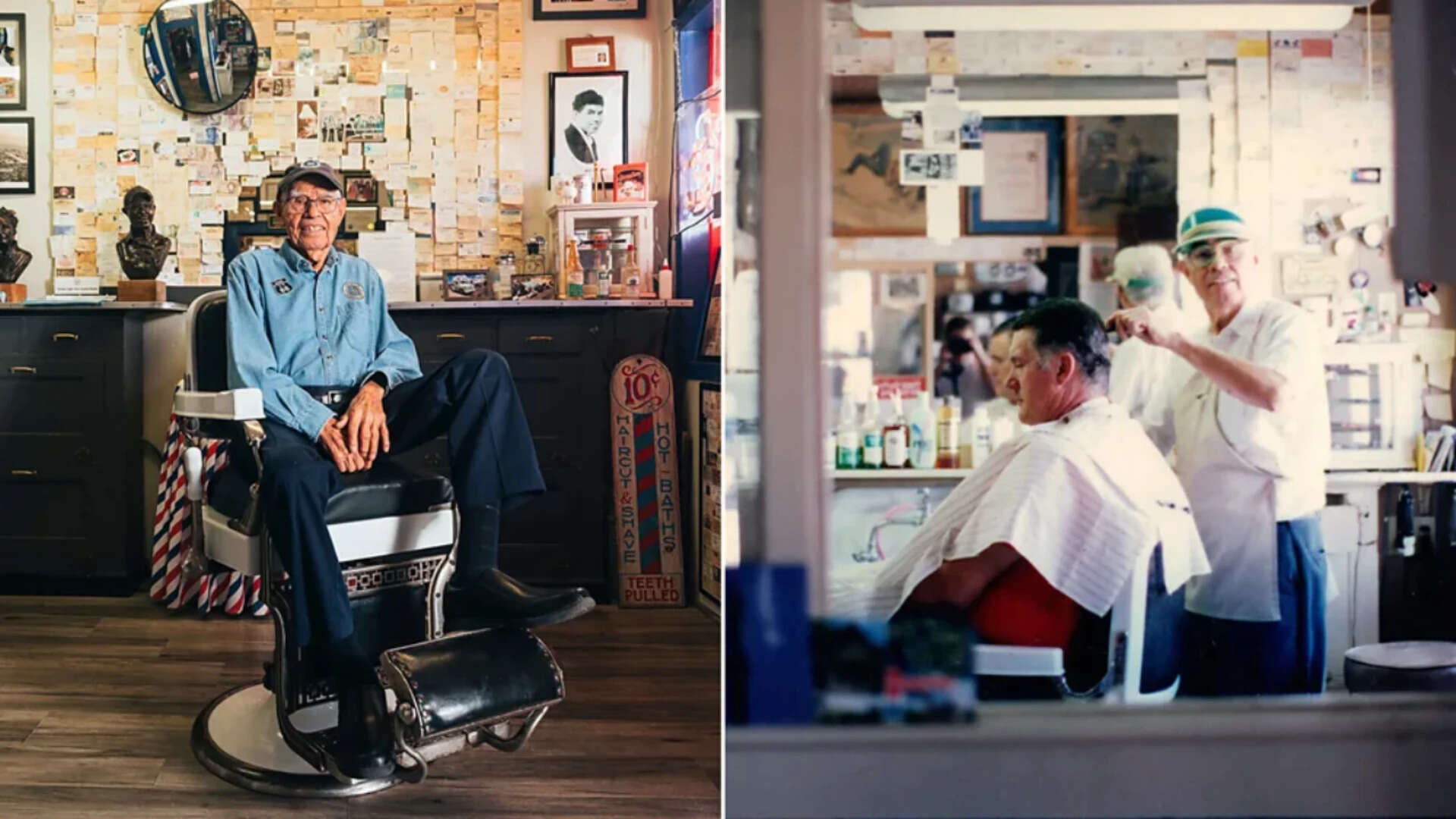
But clinging to that myth is an expensive luxury that rural communities cannot afford. The 98-year-old veteran who paints a sign to lure tourists is a testament to human resilience, but his story should be a cautionary tale, not a blueprint.
A town is not defined by its highway. It is defined by its people. And those people deserve real, modern economic opportunities—not a permanent role as actors in a retro theme park.