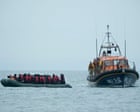
The standard media script writes itself the moment a rigid inflatable boat enters the Channel. A humanitarian crisis unfolds, brave volunteers launch into the grey swells, and the public is fed a simple, digestible morality play about empathy versus cruelty. Everyone nods along. Everyone plays their assigned role in the theater of compassion.
It is a comfortable narrative. It is also a dangerous distraction from reality.
Strip away the emotional manipulation, and you find a system where the very act of rescue has been weaponized into a core logistical pillar of an illegal smuggling enterprise. The Royal National Life Institution finds itself trapped in the middle of a political warzone, defended by people who view operational charity as an absolute moral shield, and attacked by critics who mistake frontline volunteers for architects of border policy. Both sides are wrong. Both sides miss the structural mechanics driving the entire disaster.
The Dangerous Fallacy Of Unconditional Neutrality
Charity is not neutral when it alters incentives on a geopolitical scale. For decades, maritime rescue organizations operated under a clean, centuries-old code: you pull drowning sailors from the water because human life matters above all else. That principle works when dealing with accidental shipwreck, sudden squalls, or mechanical failure on commercial vessels.
It breaks down entirely when the voyage is deliberately engineered from departure points on the French coast.
Transnational smuggling networks do not calculate their business models around calm seas and reliable engines. They calculate risk. They know that a vessel packed beyond structural capacity with paying passengers does not need to complete a voyage. It only needs to float long enough to trigger a distress beacon or cross into territorial waters where interception and pickup are guaranteed by law.
When rescue becomes an inevitable checkpoint in a smuggling itinerary, the product changes. The boats get smaller, cheaper, and more dangerous because the safety margin is outsourced entirely to voluntary lifeboats and border forces.
I have watched maritime logistics systems buckle under the weight of policies that treat symptom management as a solution. When you subsidize the final leg of an illegal transport chain with professional, free-of-charge ferry services operated by lifeboats, you do not stop the crossings. You institutionalize them.
Why The Critics Miss The Target
On the opposing side of the political spectrum, critics of the RNLI frequently lose the plot entirely. They direct their anger at the crews, accusing volunteers of political activism or collusion with human traffickers.
This is absurd. It demonstrates a profound misunderstanding of how emergency response works on the ground.
Asking a lifeboat crew to stand down while a boat breaks apart in freezing water is an ethical non-starter. Maritime law does not grant a waiver for political disagreement. If a vessel is sinking, the obligation to save life is absolute, unconditional, and immediate. Blaming the crew for pulling people out of the water is like blaming a trauma surgeon for treating a gang member with a gunshot wound. The surgeon didn't pull the trigger.
The mistake critics make is conflating operational execution with strategic policy. The volunteers rushing down the slipway at midnight are not setting immigration quotas, nor are they managing foreign relations with France. They are reacting to an immediate biological crisis. Attacking them is a displacement of frustration by people who lack the courage or clarity to hold actual lawmakers accountable for decades of legislative incompetence.
The Economics Of The Channel Crossing Market
Let us look at the raw mechanics of the trade. Criminal gangs operating out of northern France are running a high-volume, low-overhead logistics operation. They procure cheap, unseaworthy dinghies wholesale from overseas manufacturers. They load them with desperate people who have paid thousands of euros cash upfront.
They launch these craft into some of the busiest shipping lanes in the world, knowing full well that structural failure is built into the business model.
If a syndicate tried to run cargo across the Channel with vessels that routinely leaked, capsized, or fell apart, maritime authorities would shut them down instantly. But because human cargo carries an immediate humanitarian emergency tag, the system overrides normal commercial logic. The state and its proxy rescuers absorb the liability. The smugglers take the profit, cut the engine, and walk away to buy another inflatable boat.
This is the dirty secret of the entire debate: the current rescue-heavy paradigm creates a moral hazard so massive that it actively sustains the smuggling trade. Every successful mid-channel pickup is marketed by traffickers to the next wave of clients as proof that the route works.
Dismantling The Lazy Consensus
The prevailing media consensus insists that you must choose between two positions. You either support the uncritical expansion of rescue operations and pretend there are no secondary consequences, or you demand border enforcement so draconian it requires abandoning basic human decency at the water's edge.
Both choices are traps.
A serious approach requires separating the humanitarian imperative from border management. You can fulfill the absolute moral duty to save drowning human beings while simultaneously destroying the economic viability of the routes that put them there in the first place.
That means moving the point of intervention upstream. It means dismantling smuggling networks inside Europe before the boats ever touch the sand. It means processing asylum claims outside the destination countries entirely, eliminating the perverse incentive to gamble one's life on a flimsy plastic hull in the middle of a freezing shipping lane.
Until politicians and activists stop using the RNLI as a political football, the cycle will continue. The boats will launch. The crews will pull people from the water. The smugglers will count their cash. And the public will keep arguing about the symptoms while the disease spreads unchecked.
Stop asking whether rescue boats should stay on the shore. Start asking why anyone ever has to get into a sinking dinghy to have their voice heard.