You’d think a massive media deal endorsed by the President and rubber-stamped by the FCC would be a home run. It isn't. The $6.2 billion merger between Nexstar Media Group and Tegna is currently stuck in a legal swamp, and the resistance just got a lot more bipartisan. Republican state attorneys general from Indiana and Kansas have officially jumped into the fight, joining a coalition of Democratic AGs who want to kill the deal.
The core issue is simple. If this deal goes through, Nexstar would own 265 television stations across 44 states. We’re talking about control over the local news in 80% of American households. It's too much power for one boardroom. While federal regulators under Brendan Carr gave it the green light back in March, states are screaming that this is a violation of antitrust law that will jack up your cable bill and kill local journalism.
The unexpected alliance against the Nexstar Tegna deal
For months, this looked like a typical partisan scrap. You had blue states like California and New York filing the initial lawsuit in the Eastern District of California. They argued that consolidating so many "Big Four" affiliates—ABC, CBS, NBC, and FOX—under one roof would destroy competition. Then something interesting happened.
Republican AGs Todd Rokita of Indiana and Kris Kobach of Kansas signed onto the amended complaint. Their presence changes the narrative. It’s no longer just a "left vs. right" fight over media bias. It’s a "states vs. corporate giants" fight. These AGs are worried about what happens when a local station in Wichita or Indianapolis is run by a corporation in Irving, Texas that has a history of cutting staff and recycling content.
Why your cable bill might be about to go up
Let’s talk about retransmission fees. You probably don't think about them, but you pay them every month. These are the fees cable and satellite providers like DirecTV pay to broadcasters to carry their channels. When one company owns almost every major station in a market, they have total leverage.
If Nexstar owns both the local NBC and the local FOX station, they can tell your cable company to pay up or lose both. Usually, the cable company pays, and then they pass that cost directly to you. DirecTV is so worried about this that they filed their own lawsuit, which a federal judge recently consolidated with the states' case.
- Market Domination: In 31 different U.S. markets, Nexstar and Tegna currently own competing stations.
- Price Hikes: History shows that when local TV competition vanishes, retransmission fees spike.
- Blackouts: Expect more "channel unavailable" screens during contract disputes because the broadcaster knows you have nowhere else to go for local news.
The death of the local newsroom
Broadcasting isn't just a business; it’s a public service. Or at least it’s supposed to be. The FCC is technically required to ensure that media ownership serves the "public interest." Brendan Carr, the current FCC Chair, claims this merger gives broadcasters the "scale" they need to survive against tech giants like Google and Meta.
I don't buy it. Scale for the corporation usually means "efficiency" for the newsroom—which is a polite way of saying layoffs. We've already seen Nexstar cut long-standing journalists in major hubs like Los Angeles and Chicago. When a company owns hundreds of stations, they start "hubbing" their news. You get a weather report recorded three states away and "local" stories that are actually generic segments aired in 50 different cities.
Federal approval vs state reality
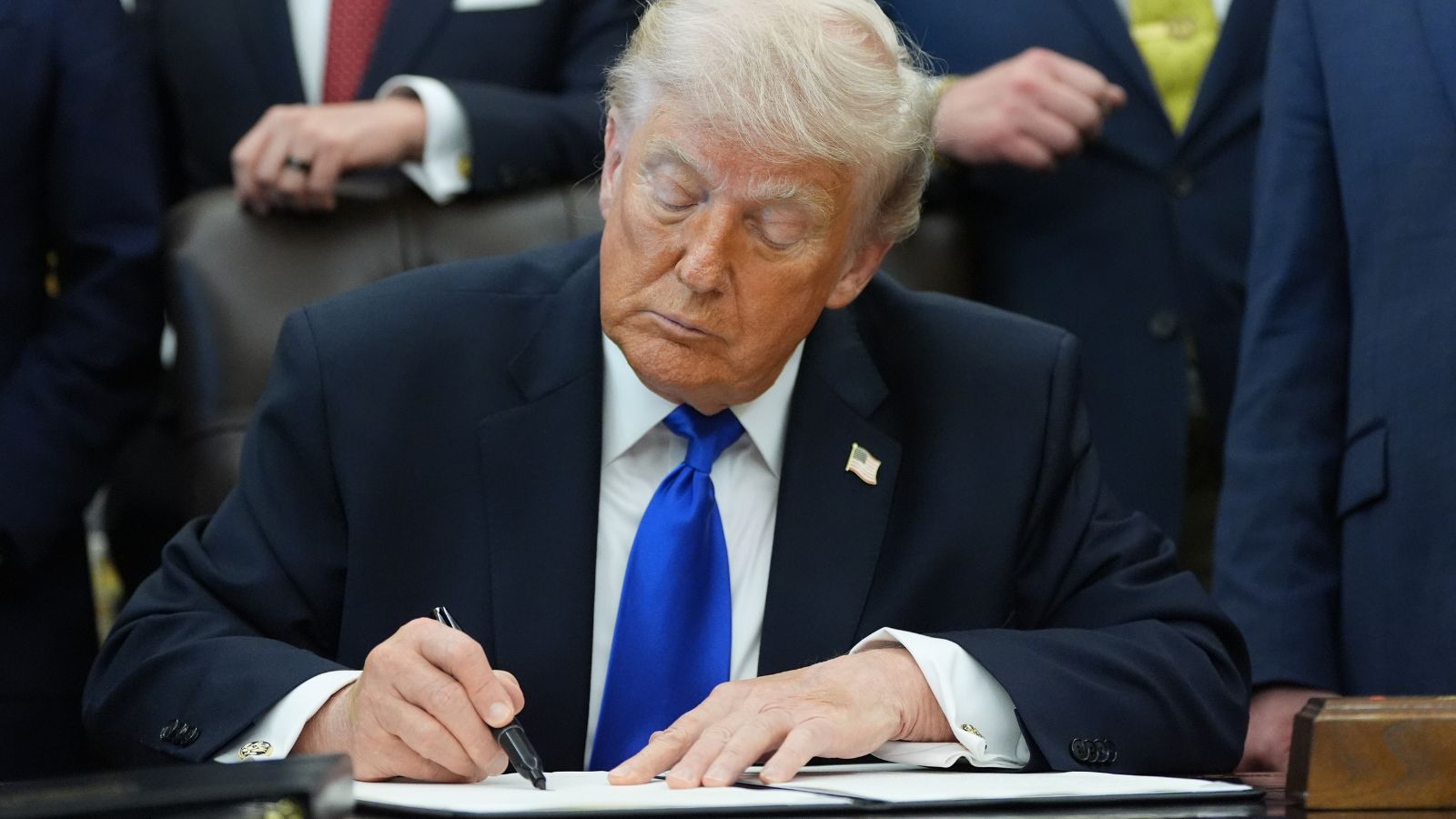
The Trump administration pushed hard for this. The President even tweeted "Get that deal done!" back in February, claiming it would help "knock out the Fake News." But the law doesn't care about tweets. Section 7 of the Clayton Act prohibits mergers that "substantially lessen competition."
The states argue that the FCC's Media Bureau shouldn't have waived the national ownership cap. Usually, one company isn't allowed to reach more than 39% of the national audience. Nexstar is already pushing that limit, and with Tegna, they blow right past it. The FCC used a technicality called the "UHF discount" to make the numbers look smaller, but the AGs aren't falling for it.
What happens now
Right now, the merger is on ice. Judge Troy Nunley issued a preliminary injunction in April that stops Nexstar from absorbing Tegna’s assets. Even though the deal technically "closed" on paper in March, the two companies have to operate completely separately while the lawsuit plays out.
Nexstar is appealing to the Ninth Circuit, with their first major brief due on May 20, 2026. If you're a consumer or a journalist, don't expect a quick resolution. This is going to be a long, ugly legal war. If you want to keep your local news actually local, keep an eye on your state AG’s office. They’re currently the only thing standing between you and a total media monopoly.
Don't just wait for the bill to arrive. If you live in one of the 13 states currently suing, let your representatives know you support the antitrust push. Competition is the only thing that keeps prices down and reporters on the ground in your community.
Republican AGs Join Nexstar/Tegna Antitrust Suit
This report details how five additional states, including two led by Republican attorneys general, joined the existing legal effort to block the merger on antitrust grounds.